





What Exactly Is an Apron Panel?
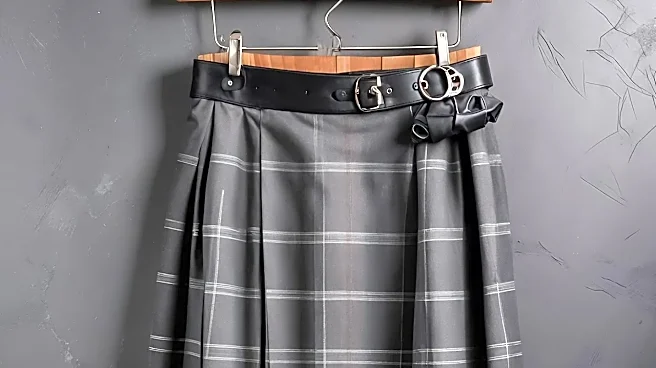
Forget the 'kiss the cook' variety. In fashion, the apron panel is a thoughtful, often asymmetrical layer of fabric that is draped, tied, or sewn onto a skirt or even a pair of trousers. Think of it as a piece of deconstructed clothing—a floating panel that adds
an extra dimension to a garment. Sometimes it’s a sheer lace layer adding romance to rugged denim, as seen on the streets of Copenhagen; other times, it's a structured piece of cotton that gives a standard skirt an architectural edge. This isn't about creating a wrap skirt; it's about adding a distinct, separate plane that plays with movement and silhouette, turning a simple garment into a point of interest.
The Copenhagen Connection
It’s no surprise this trend has its roots in the Danish capital. Copenhagen's fashion scene has long championed a look that is both practical and poetic. The apron panel fits perfectly within this ethos. It’s an extension of the city's love for layering—a styling trick seen everywhere during Copenhagen Fashion Week, where skirts are worn over pants and dresses are nonchalantly thrown over jeans. This isn’t layering for warmth, but for visual texture. The apron panel is a more focused, distilled version of this idea. It echoes a deeper Scandinavian design history, too. The historical Viking 'smokkr' was a type of apron dress, a functional overgarment made of panels. This modern interpretation, while less utilitarian, carries that same spirit of practical, layered dressing.
More Than Just an Extra Layer
So, how is this detail 'reshaping' skirts? It’s all about disrupting the expected silhouette. A standard pencil or A-line skirt has a predictable shape. The addition of an apron panel breaks that line, introducing asymmetry and a new focal point. It changes how the fabric moves when you walk, creating a more dynamic and engaging visual. Designers in the Copenhagen orbit, known for their love of sculptural forms and unique textiles, use this technique to add a touch of the avant-garde to everyday pieces. It can make a skirt feel at once more functional—almost like a modern utility belt—and more artful. This single element forces the eye to reconsider the entire garment, transforming it from a background piece to the main event.
How to Style the New Silhouette
The beauty of the apron panel is its surprising versatility. The key is to let the skirt do the talking. The Copenhagen style set often pairs these complex bottoms with something very simple on top, like a classic white t-shirt, a fitted tank, or a streamlined crewneck sweater. This high/low approach keeps the look grounded and prevents it from feeling like a costume. If the apron panel is sheer or lace, contrasting it with a more rugged piece like denim or a leather jacket creates that signature Scandinavian tension between hard and soft. For footwear, anything from a sleek boot to a simple ballet flat works. The goal is to build an outfit that feels intentional but not overthought—a philosophy that defines Copenhagen cool.