
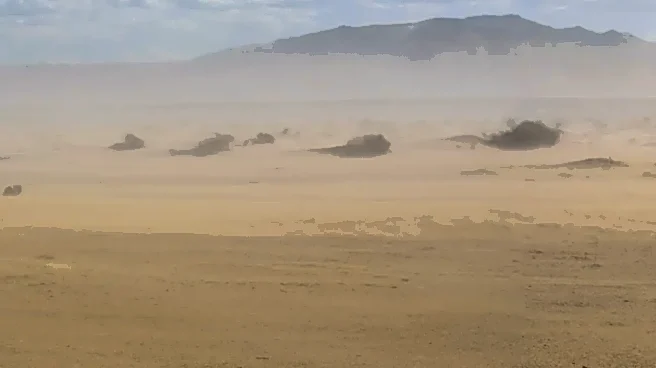
Arrival: The Sensory Overload
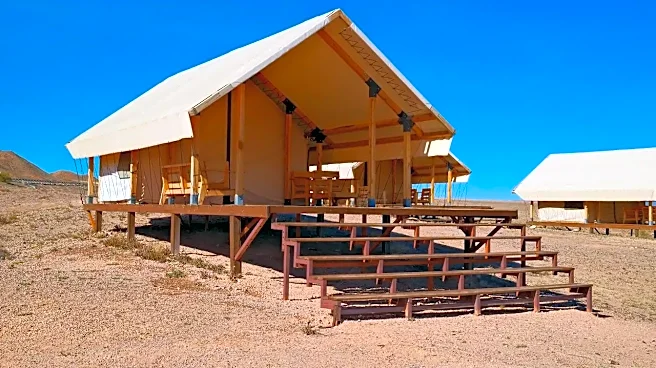
Your first few hours in Black Rock City are a shock. The fine, alkaline dust gets into your eyes, your gear, and your lungs. The sheer scale is bewildering—a temporary city of over 70,000 people that appears out of nowhere, teeming with mutant art cars
breathing fire and people in outfits that defy description. It feels hostile and alien. The immediate goals are simple: set up shelter, figure out where you are, and try not to get lost. Many newcomers spend their first day wondering what they’ve gotten themselves into. The party seems inaccessible, the art is too far away, and the relentless environment makes you question your sanity. This is the peak of the “I don’t get it” phase.
The Gift That Changes Everything
The first crack in a skeptic's armor often comes from a simple, unexpected act of kindness. Burning Man operates on a decommodified, gifting economy. Nothing is for sale except ice and coffee. This principle feels abstract until a complete stranger hands you a perfectly cold slice of watermelon on a blazing hot afternoon, offers you a spare pair of goggles during a dust storm, or helps you fix your bike with no expectation of anything in return. It’s an awkward, then profound, realization: this isn’t transactional. People are giving for the sake of giving. This small moment is often the first glimpse into the event’s soul, a signal that the social rules here are fundamentally different.
From Spectator to Participant
Burning Man’s official guide will tell you there are no spectators. This doesn't really sink in until you stop watching and start doing. Maybe you volunteer to serve drinks at a camp's bar for an hour, help a neighbor secure their tent during a windstorm, or simply offer a compliment to someone on their elaborate creation. The shift from observer to participant is crucial. Instead of just looking at the art, you climb on it, interact with it, and talk to the artists. You’re no longer just a consumer of experiences; you are actively creating the fabric of the city. This sense of contribution fosters a feeling of ownership and belonging that watching from the sidelines never could.
Finding Connection in the Chaos
One of the most surprising parts of the experience for first-timers is the depth of human connection. The harsh environment and shared vulnerability strip away the usual social armor. It’s common to have deeply personal conversations with total strangers you met only minutes before. Back in the default world, you might ask someone what they do for a living. At Burning Man, you’re more likely to ask what they believe in or what they’re trying to let go of. You can spend days with new friends without ever learning their real names or occupations. This radical acceptance allows people to be their authentic selves, fostering bonds that feel more immediate and genuine than those formed over months back home.
The Catharsis of the Burn
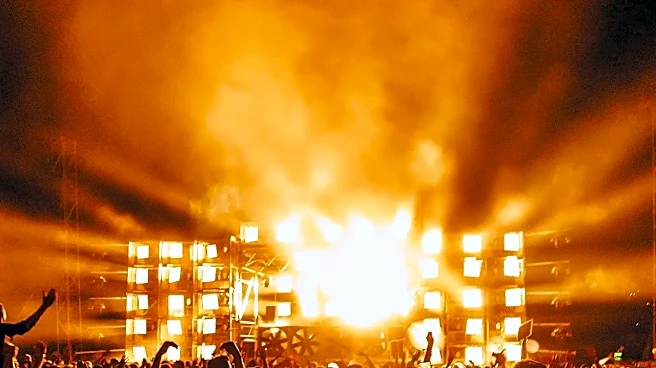
For many, the entire week clicks into place during the two final ceremonies: the burning of the Man on Saturday and the Temple on Sunday. The Man burn is a spectacular, explosive celebration of community and the week’s creative energy. The Temple burn, however, is a different experience entirely. The Temple is a space for remembrance and release. Throughout the week, people leave photos, letters, and mementos for lost loved ones. Its burning is a quiet, collective catharsis—a shared moment of grief and letting go. It’s often here, watching the flames in silence alongside tens of thousands of others, that the ultimate “now I get it” moment arrives. The event is not just a party; it's a ritual.