
The Myth: A Critical Flop
The story goes that The Fugitive, starring Harrison Ford as the wrongly accused Dr. Richard Kimble, was a movie saved by audiences, not critics. This narrative paints a picture of a film dismissed as just another brainless summer blockbuster, a slick
but hollow adaptation of a classic TV show. The idea is that the film’s cleverness and craftsmanship were only appreciated in hindsight, after its massive box office success and cultural staying power became undeniable. In this version of history, the so-called serious critics of 1993 simply missed the boat on what would become a Best Picture nominee.
The Reality: A Critical Adoration
The claim that The Fugitive was panned is not just an exaggeration; it’s completely false. The film was an immediate and overwhelming critical smash. The late, great Roger Ebert gave the film a perfect four-star rating, calling it “one of the best entertainments of the year, a tense, taut and expert thriller.” He went on to name it the fourth-best film of 1993. Kenneth Turan of the Los Angeles Times celebrated it as a “super-adrenalized stemwinder” that succeeds because of its “intelligence and wit not always associated with thrillers.” The critical consensus was so strong that the film currently holds a 96% “Certified Fresh” rating on Rotten Tomatoes based on 84 contemporary and modern reviews. The critics weren't just fond of it; they were effusive in their praise for its masterful construction and gripping performances.
The Awards Circuit Confirmation
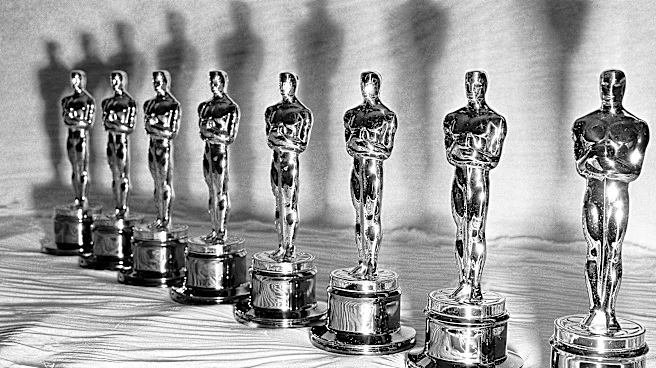
If the glowing reviews weren't enough, the film’s awards season performance cements its status as a critical darling from day one. The Fugitive was nominated for a staggering seven Academy Awards, an almost unheard-of number for a summer action movie. Those nominations included the most prestigious category of all: Best Picture. While it didn't win that top prize, Tommy Lee Jones took home the Oscar for Best Supporting Actor for his iconic role as U.S. Marshal Samuel Gerard. The film also received nominations for its cinematography, editing, score, and sound, proving that the industry's top craftspeople recognized its technical brilliance immediately. This wasn't a film that needed to find its audience; critics and the Academy alike knew they were watching something special.
So, Why Does the Myth Persist?
If the evidence is so overwhelmingly positive, why does anyone think The Fugitive was ever disliked? There are a few likely culprits. First, there's a general, often correct, assumption that big-budget action films are frequently dismissed by high-brow critics. Over time, The Fugitive may have been retroactively lumped into that category, its specific reception forgotten. Secondly, the film’s reputation as a perfectly engineered piece of popular entertainment—a “model of taut and efficient formula filmmaking,” as the Rotten Tomatoes consensus puts it—might be misconstrued as a backhanded compliment. Some may interpret “formula” as a negative, even when critics were using it to praise how expertly the film executed that formula. Finally, the film came out in a year packed with titans like Schindler's List and Jurassic Park, and its legacy as a smart, adult thriller might get overshadowed, leading to faulty assumptions about its initial reception.