










The Stadium Factor: An Important Caveat
Before we dive into the sweatiest contenders, it’s crucial to note one massive, air-conditioned asterisk: the stadiums themselves. Most of the cities on this list—Dallas (Arlington), Houston, and Atlanta—boast state-of-the-art domed or retractable-roof
stadiums. Miami's Hard Rock Stadium has a fixed roof that covers the spectators, but not the field. This means that for the 90 minutes of gameplay, players will be in a climate-controlled environment, safe from the worst of the elements. However, the 'conditions' of a host city extend beyond the pitch. This list is about the overall environment that teams, staff, and the millions of visiting fans will experience—from training grounds and fan fests to simply walking down the street. The oppressive weather will define the entire tournament experience in these locations.
4. Kansas City: The Sneaky Contender
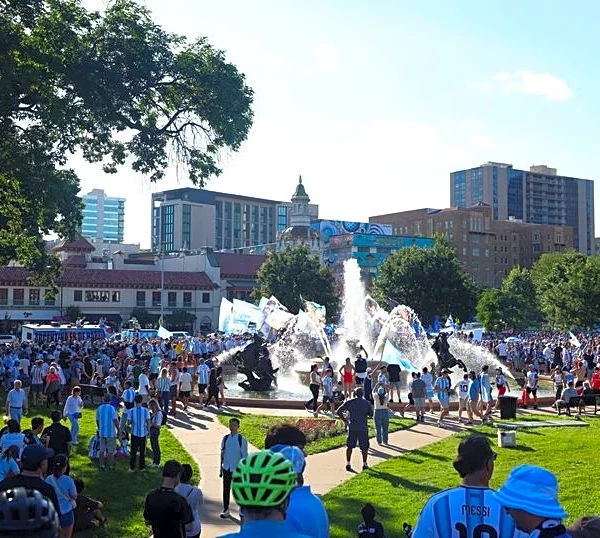
When you think of brutal summer weather, your mind might not immediately jump to Missouri. But don't underestimate a Midwestern summer. Kansas City in June and July regularly serves up a punishing combination of heat and humidity. Average highs sit in the upper 80s, but temperatures frequently surge into the high 90s. When combined with humidity drawn up from the Gulf of Mexico, the heat index can easily top 100-105°F. It’s a sticky, draining heat that clings to you. For teams training outdoors or fans gathering in the Power & Light District, that relentless humidity can be just as taxing as the triple-digit temperatures found elsewhere. It’s the kind of weather that makes a high-press defensive system feel like running in soup.
3. Dallas (Arlington): The Dry Furnace
Everything’s bigger in Texas, including the heat. While AT&T Stadium offers a climate-controlled paradise, the world outside its doors is a different story. North Texas summers are famously hot, with average July highs climbing into the mid-to-upper 90s. It’s not uncommon to see streaks of 100°F+ days. While the humidity isn’t as consistently oppressive as in coastal cities, it’s still present enough to make the heat feel dangerous. It's a dry, baking heat that radiates off the asphalt and concrete, creating a vast urban heat island. Any activity outside the stadium—finding parking, walking to a fan event, or outdoor training sessions—will be a battle against dehydration and exhaustion. For players, acclimating to this kind of pure, baking heat between games will be a serious physical challenge.
2. Miami: The Tropical Gauntlet
Welcome to Miami, where the heat hits different. It's not just about the number on the thermometer, which typically hovers in the low 90s. It’s about the air itself, which feels like a hot, wet blanket you can't escape. Miami’s defining summer feature is its relentless, tropical humidity. Average humidity levels are sky-high, often making a 91°F day feel like 105°F. This is especially draining for athletes, as the moisture-saturated air prevents sweat from evaporating effectively, making it much harder for the body to cool itself down. While Hard Rock Stadium's roof will shield fans from the direct sun, the field itself is open to the elements. Evening kickoffs will help, but the oppressive humidity will linger long after sunset, testing the endurance of even the world’s fittest players.
1. Houston: The Undisputed King of Steam
If you ask any American which major city has the most formidable summer, Houston is almost always the answer. It combines the searing heat of Dallas with the suffocating humidity of Miami to create its own special brand of misery. Located near the Gulf Coast, the city is a cauldron of heat and moisture. July afternoons with a temperature of 95°F and a dew point in the upper 70s are the norm, producing a heat index that can soar past 110°F. It’s a physical force that slows you down and saps your will. Like Dallas, Houston's NRG Stadium is a dome, providing a crucial escape for the matches themselves. But for the 29 other days of the month, the city’s climate will be the main character of the World Cup story. From the moment teams and fans step off the plane, they will be entering a city-sized sauna that demands respect, hydration, and a whole lot of air conditioning.