





England vs. Argentina: War and the 'Hand of God'
This is the textbook example of an off-the-field conflict spilling onto the pitch. The 1982 Falklands War, a brief but bloody conflict over islands Argentines call Las Malvinas, created a deep-seated animosity. Just four years later, the two nations met
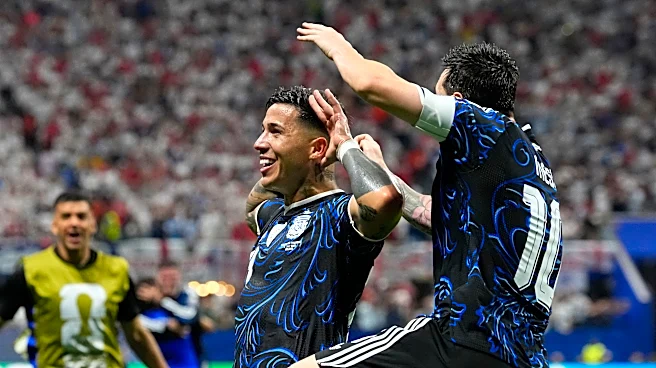
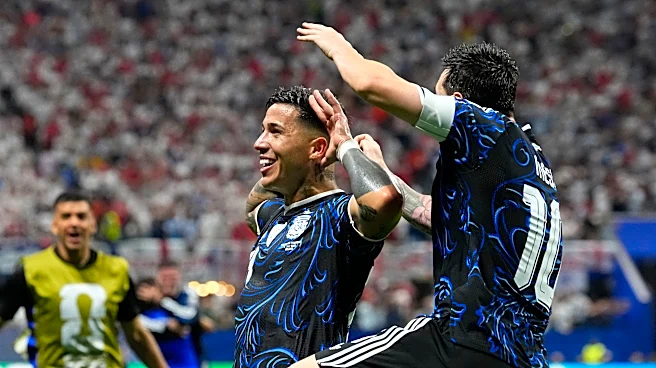
in the 1986 World Cup quarter-final. Argentina's captain, Diego Maradona, seized the moment. First, he scored the infamous "Hand of God" goal, punching the ball into the net in an act of audacious cheating that went unpunished by the referee. Minutes later, he scored the "Goal of the Century," a dazzling run past half the English team. Argentina won 2-1, and for them, it was more than a game; it was, as many players later admitted, a form of revenge.
Netherlands vs. Germany: More Than a Game
The rivalry between the Netherlands and Germany is rooted in the trauma of World War II, when Germany occupied the Netherlands for five years. That history hung heavy over their first major clash: the 1974 World Cup final, held in West Germany. The Dutch, playing their revolutionary "Total Football," were heavy favorites and scored in the first two minutes without a German player even touching the ball. But instead of pressing their advantage, they seemed to enjoy humiliating the Germans by making them chase the ball. It backfired. Germany fought back, equalized, and eventually won 2-1, a defeat the Dutch call "The Mother of all Defeats." The rivalry reached another low in 1990 when Dutch player Frank Rijkaard notoriously spat at German forward Rudi Völler, leading to both being sent off.
USA vs. Mexico: The Battle for North America
For decades, this wasn't much of a rivalry; Mexico dominated, winning 21 of the first 24 matchups. But the growth of soccer in the U.S. after the 1994 World Cup and the launch of MLS shifted the balance. The rivalry now carries real animosity, fueled by geographic proximity and a fight for continental supremacy. The defining moment for American fans came in the 2002 World Cup, the only time the two have met on the world's biggest stage. The USMNT won 2-0, a scoreline that would become a rallying cry: "Dos a Cero." That chant, born from a string of 2-0 victories over their rivals (especially in crucial qualifiers in Columbus, Ohio), represents a sea change in a rivalry that is now fiercely competitive on and off the pitch.
Brazil vs. Argentina: A Purely Football War
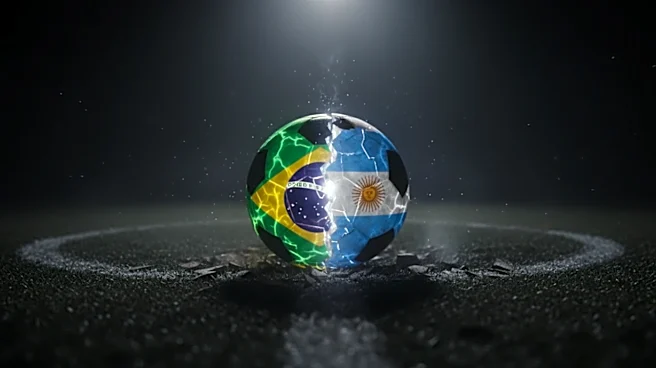
Unlike others on this list, the "Superclásico de las Américas" isn't really about politics or war—it's about being the best. For a century, these two South American giants have battled for continental bragging rights in a rivalry FIFA calls the "essence of football rivalry." Both nations have produced some of the greatest players in history, from Pelé to Maradona and Messi, and both believe they play the beautiful game the right way. With Brazil holding five World Cups to Argentina's three, but Argentina holding more Copa América titles (16 to 9), the argument is never settled. Their matches are notoriously physical and often descend into chaos, with red cards and brawls seen as part of the tradition. Their first few encounters in the early 20th century were so violent that the teams stopped playing each other for years at a time.