






History Over Hype
First and foremost, the Venice Film Festival has the weight of history on its side. As the world's oldest film festival, debuting in 1932, it carries a prestige that newer, more commercially driven events can't replicate. This isn't just a party; it's
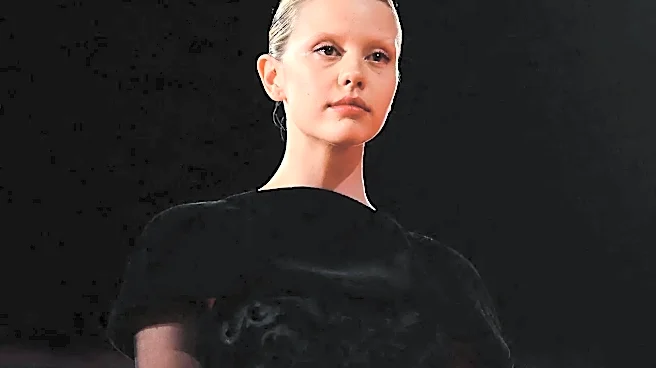
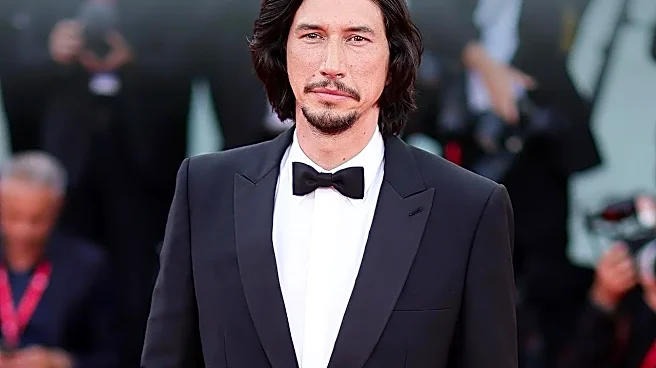
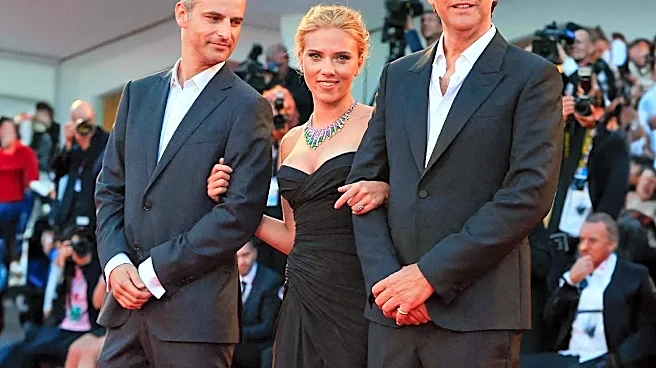
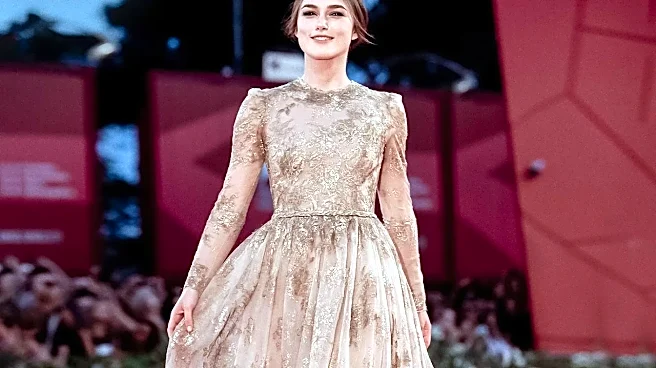
a nearly century-old institution dedicated to the art of cinema. That legacy creates an atmosphere of reverence. The fashion choices often reflect this, with stars opting for timeless elegance over fleeting trends. Unlike the Met Gala, which has a specific, often theatrical, dress code each year, Venice's unspoken theme is simply 'cinema.' The glamour is there to honor the craft, not to become the main event. This results in a parade of looks that feel more like an ode to Hollywood's golden age than a modern chase for viral moments.
A Stage Built by La Serenissima
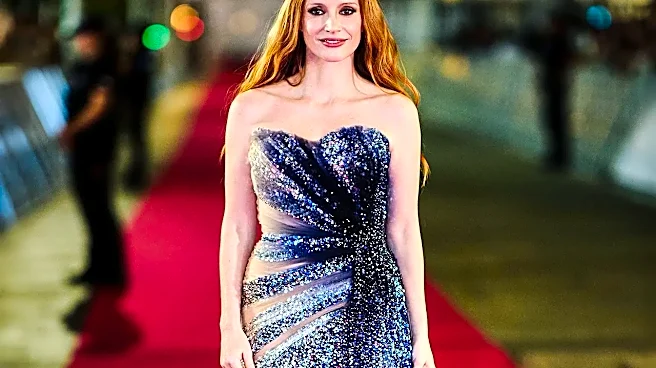
You can't separate the fashion from the festival's iconic setting. Arriving by water taxi, posing against the backdrop of historic palazzos, and walking the red carpet on the Lido creates a uniquely cinematic experience before anyone even enters the theater. Venice, 'La Serenissima,' provides a stage of unparalleled beauty and drama. The city's timeless, almost impossibly romantic atmosphere demands a certain level of sophistication. A throwaway look would feel jarring against the Grand Canal. The environment encourages a style that complements the city's grandeur—think sweeping gowns, sharp tuxedos, and opulent jewels that feel at home in a place that has hosted artists and aristocrats for centuries. The setting itself does half the work, elevating every outfit from mere clothing to part of a magnificent tableau.
The Primacy of Film
While fashion is a major component, the core focus in Venice remains squarely on the films. It's known as a launchpad for serious awards-season contenders, celebrating international and arthouse cinema alongside major studio productions. Because the art is the priority, the fashion tends to be supportive rather than attention-grabbing for its own sake. Actors are there primarily as artists representing their work. This context discourages the kind of extreme, costume-like ensembles that might dominate other red carpets. The goal is to look like a movie star, not a performance artist. Recent appearances by stars like Amal Clooney in a sculpted Tom Ford gown or Claire Foy in a striking crimson Bottega Veneta dress showcase a powerful, confident glamour that enhances their presence without overshadowing their professional purpose.
An Italian Sartorial Accent
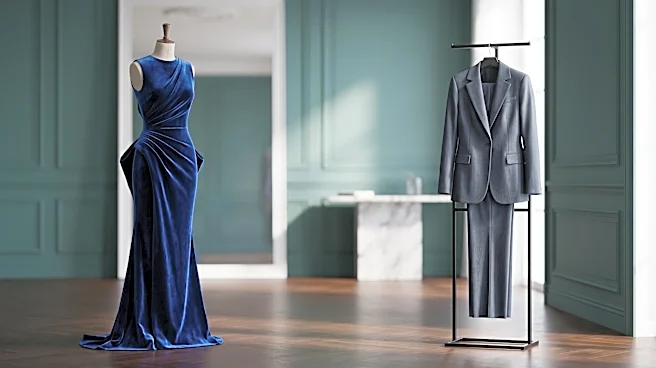
The festival's location in Italy provides a distinct sartorial advantage. Italian fashion houses like Armani, Valentino, Prada, and Versace have long been masters of refined, luxurious, and impeccably tailored formalwear. Their influence on the red carpet is undeniable, with many stars choosing to wear designs from the host nation. Giorgio Armani, in particular, has become synonymous with the festival's elegant aesthetic. This 'home field advantage' grounds the glamour in a tradition of high craftsmanship and sophisticated design. The result is a prevalence of looks that emphasize beautiful fabrics, flattering silhouettes, and an air of effortless chic—the very definition of Italian elegance. It’s less about conceptual fashion and more about the power of a perfectly executed gown or suit, a sensibility that is inherently more ceremonial than theatrical.