








The Pressure Cooker of Obligation
Unlike Christmas with its magic or the Fourth of July with its patriotic fanfare, Thanksgiving's primary currency is obligation. It’s a holiday that compels reunion. Characters who have spent months, or even years, avoiding each other are suddenly forced
into close proximity for a mandated performance of gratitude. This forced intimacy is narrative gold. In films like Jodie Foster's 'Home for the Holidays,' the drama isn't just about a dysfunctional family; it's about the intense pressure to act like a functional one for a few hours. This gap between expectation and reality creates an immediate, relatable tension that filmmakers love to exploit. The simple act of showing up carries the weight of past grievances and unspoken resentments, turning the dinner table into a pressure cooker before the first dish is even served.
A Feast of Unspoken Grievances
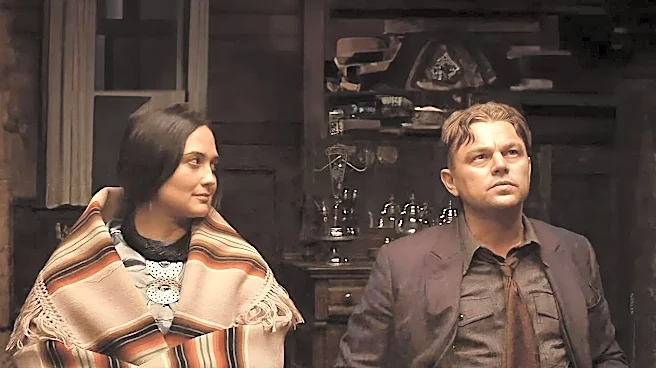
The Thanksgiving meal is a performance. The host performs effortless hospitality, and the guests perform appreciation. But beneath the clatter of silverware and polite conversation lies a minefield of emotional history. This setting allows screenwriters to externalize internal conflicts. A passive-aggressive comment about the dryness of the turkey is never just about the turkey; it's about years of feeling unappreciated. In 'The Ice Storm,' a family dinner becomes the stage for teenage rebellion and marital decay, with every glance and loaded pleasantry revealing the cracks in their suburban facade. The holiday's emphasis on togetherness ironically magnifies every point of division, making it the perfect moment for a shocking confession, a sudden argument, or a life-altering revelation, as seen in 'Brokeback Mountain' when a tense Thanksgiving dinner confirms a long-held suspicion.
The American Dream on Trial
At its core, Thanksgiving is intertwined with America’s national identity—a story of origins, plenty, and coming together. Filmmakers use this symbolic weight to put the American Dream, and its failures, on trial in a single dining room. The holiday’s iconography, rooted in a sanitized version of history involving Pilgrims and Native Americans, provides a rich backdrop for irony and critique. Scenes like the famous play in 'Addams Family Values' gleefully deconstruct the historical myth, using it as a vehicle for social commentary. More subtly, films can use the dinner to explore themes of assimilation, class mobility, and generational conflict, as seen in 'Avalon,' where cutting the turkey before everyone arrives triggers a family schism that represents deeper anxieties about tradition and change.
A Perfect Narrative Stage
From a pure storytelling perspective, the Thanksgiving dinner is a brilliantly efficient device. It provides a single location, a captive cast of characters, and a natural, time-based structure. The preparation, the meal, and the cleanup offer a three-act play in miniature. This setup is a gift to filmmakers, allowing them to build tension organically. In Sam Raimi’s 'Spider-Man,' the dinner table is where Norman Osborn finally pieces together Peter Parker's secret identity, a moment of dawning horror that happens over green beans and mashed potatoes. The confined space and forced interaction mean there is no escape. Characters can't just walk away from an uncomfortable conversation—they're stuck, at least until dessert. This forced proximity ensures that simmering conflicts will eventually boil over, providing the dramatic fireworks audiences have come to expect.