




The Red Carpet Gets Creative
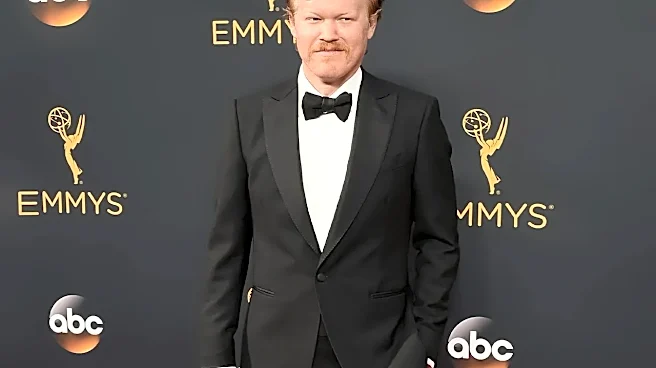
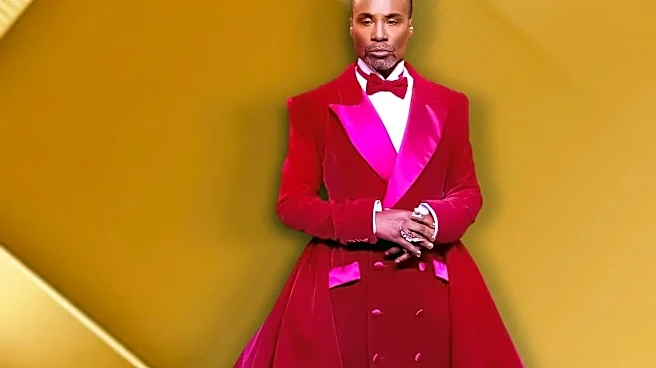
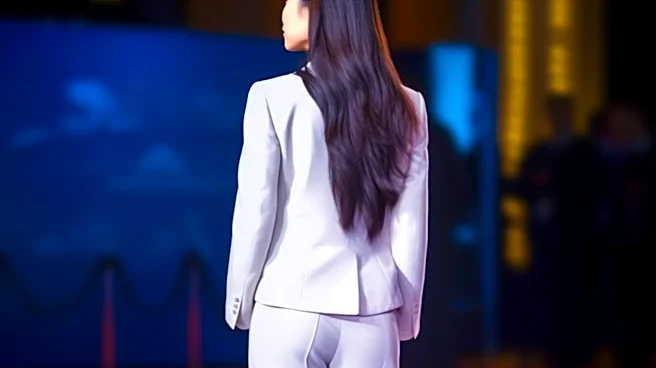
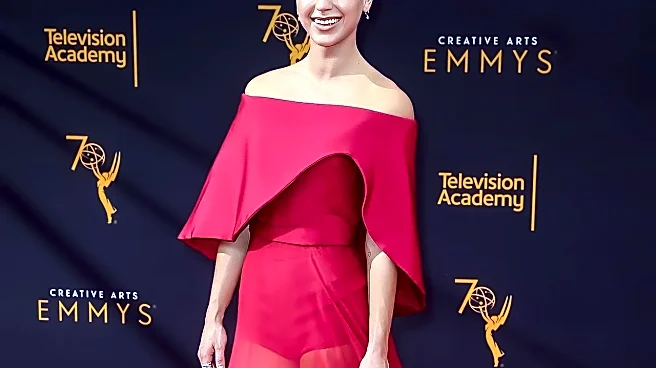
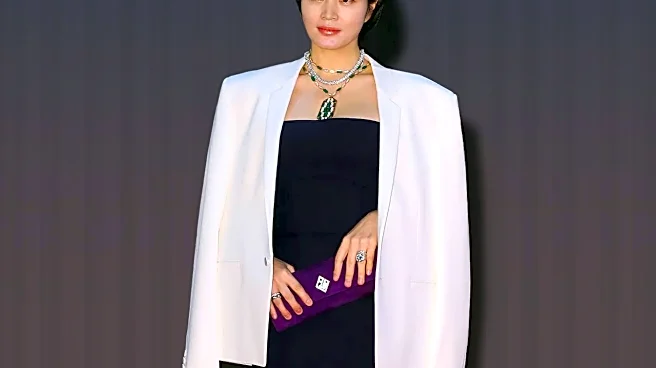
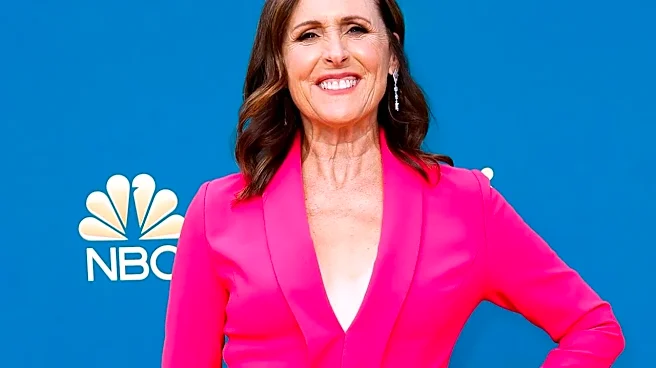
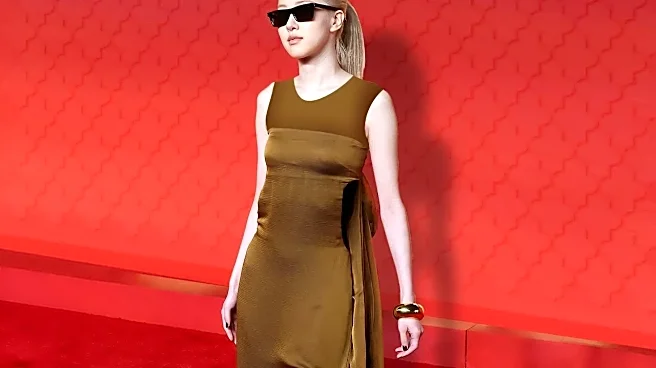
At the 2026 Primetime Emmys, the biggest statement wasn't just about bold color or dramatic silhouettes—it was about clever construction. While jewel tones and structured gowns certainly had their moment, the real story was in the tailoring. We saw suits
with unconventional proportions, jackets with customized lapels, and gowns that looked less like single-use art pieces and more like versatile separates in the making. This wasn't just about a perfect fit; it was about reimagining the very idea of a formal garment. Stars and their stylists leaned into sharp geometry, structured corsetry, and clean lines that hinted at a garment's potential for deconstruction and reuse. This shift signals a move toward making high-fashion more sustainable and personal.
What 'Reworked Tailoring' Really Means
So, what are we talking about when we say "reworked"? It's more than just hemming a pair of pants. This is about creative deconstruction. Think of it as a collaboration with a skilled tailor to give an old piece a new identity. It could be as simple as changing the buttons and narrowing the shoulders on a dated blazer or as complex as separating a gown into a chic bustier and skirt. The trend is about seeing the potential locked inside a garment. Trends for 2026 have already been pointing toward more relaxed, expressive, and versatile tailoring, moving suits and formalwear beyond single-occasion use. This approach is about sustainability, but it’s also about injecting your own personality into a piece you already own and love.
Give Your Gowns a Second Act
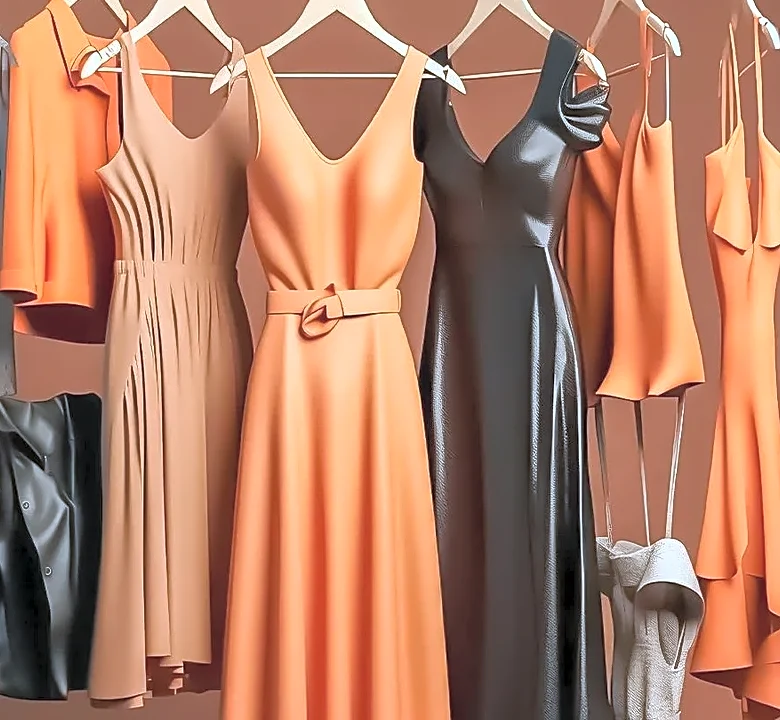
That bridesmaid or gala gown hanging in the back of your closet is the perfect candidate for a second life. A floor-length dress can be transformed into a modern cocktail-length frock, instantly making it more wearable for parties or dinners. For a more dramatic change, ask a tailor to create two separate pieces from one gown; the top can be worn with trousers or jeans, while the skirt can be paired with a simple knit. Even small changes, like altering a neckline from a dated scoop-neck to a sharp square or asymmetrical cut, can completely modernize a piece. Adding functional pockets to a gown is another popular and practical update that makes it feel less like a costume and more like a core wardrobe item.
Reinventing the Suit and Tuxedo
Men’s and women's suiting offers endless opportunities for reinvention. An old double-breasted jacket can feel current again by removing the shoulder pads for a softer, more relaxed silhouette—a dominant trend in 2026. Consider having a tailor crop a long-line blazer to hit right at the waist, creating a sharp, modern look to pair with high-waisted pants or over a dress. Another bold move is to remove the sleeves entirely, turning a suit jacket into a powerful statement vest. Even something as simple as dyeing the fabric a new, expressive color—like the deep greens or burgundies seen trending this year—can completely transform its feel. Customizing buttons or even the lapel fabric are other tailor-friendly tricks to make an old suit new.
How to Find the Right Professional
The key to a successful rework is finding a tailor or seamstress who is open to creative projects. Don't just go to your standard dry-cleaner alterationist unless you know they have design skills. Look for local tailors who specialize in custom garments or theatrical costuming, as they often have the vision and technical ability for more complex jobs. When you go for a consultation, bring inspiration photos. Explain the new 'purpose' you envision for the garment. Ask them for their opinion; a good tailor will offer suggestions on what's possible with the existing fabric and construction. This collaborative approach ensures you both have a clear vision, turning that one-hit wonder into a wardrobe MVP.