




The Price of a Parking Lot Paradise
To the tens of thousands of fans who descend on Camp Flog Gnaw, the experience feels like a surreal carnival dropped into the heart of Los Angeles. But the festival's location is not a purpose-built event space like the polo fields of Coachella. It’s
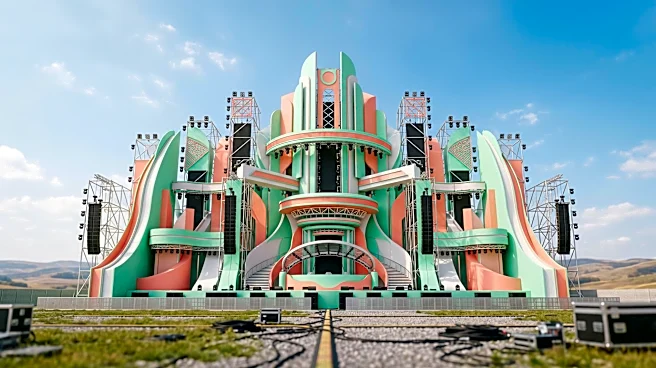
the grounds surrounding Dodger Stadium—a sprawling expanse of parking lots and open areas that, for most of the year, serves a very different purpose. Transforming this blank canvas into a functioning festival is an act of temporary civil engineering, and it’s one of the biggest drivers of the event's bottom line. Organizers, in partnership with powerhouse promoter Goldenvoice, must essentially build a small city. This involves trucking in and assembling everything from the massive stages to the last porta-potty, all on ground that isn't inherently designed to support it. That means laying down temporary flooring, running miles of electrical cables for power, and establishing a water and sanitation grid for a population the size of a town.
Talent, Tiers, and Star Power
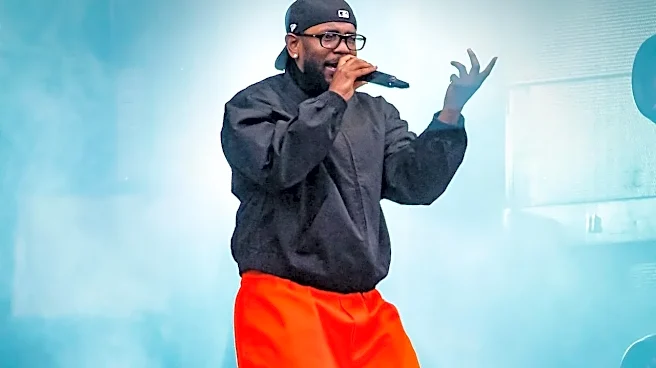
The single largest expense for any major music festival is almost always the talent. Artist fees can consume anywhere from 30 to 50 percent of the entire budget. Camp Flog Gnaw, curated by Tyler, the Creator, is known for its unique and highly sought-after lineups that blend superstar headliners with cult favorites and emerging acts. This curatorial ambition comes at a premium. Booking top-tier artists involves intense negotiation and guaranteed payments that can run into the millions for a single performance. The rest of the lineup is a complex financial puzzle of tiered fees, with costs scaling down from the main stage to the smaller tents. Because these artists are booked and their fees committed long before the first ticket is sold, it represents an enormous upfront financial risk. The festival's reputation is built on delivering a can't-miss roster, making the talent budget a massive, non-negotiable pillar of its production costs.
Building the Vibe from Scratch
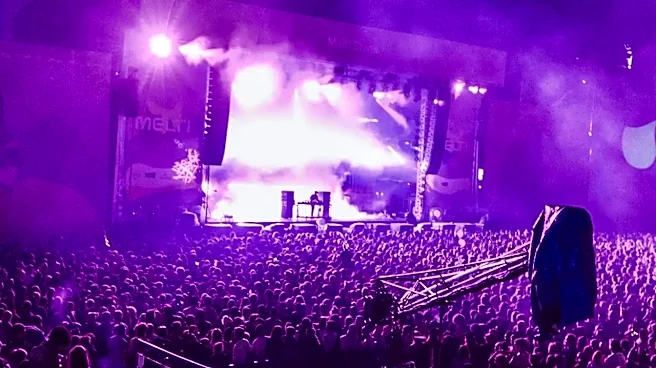
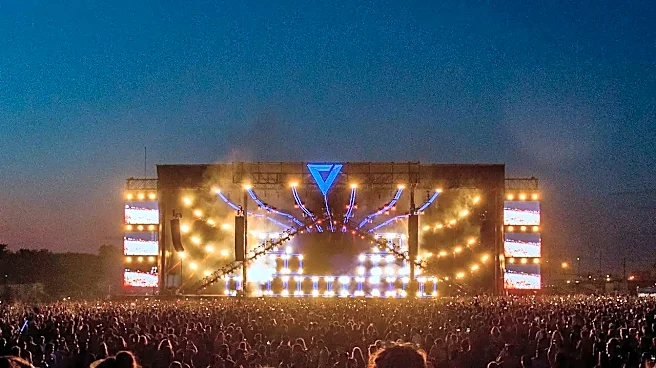
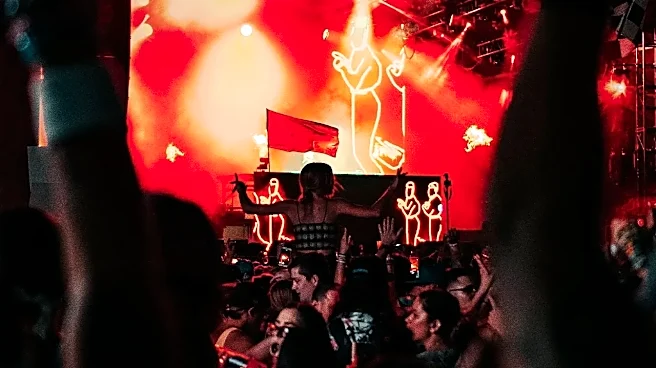
Beyond the basic infrastructure, a huge portion of the budget is dedicated to what makes Camp Flog Gnaw feel special: the experience itself. The carnival rides, the custom-designed stages, the elaborate lighting rigs, and the immersive sound systems are all part of the 'production' line item, which can account for another 20-25% of total costs. These temporary structures require extensive engineering to ensure they are safe, especially in outdoor conditions where they must withstand wind and support tons of equipment. Unlike a permanent venue, every single truss, speaker, and light must be transported, assembled by skilled labor, and disassembled under tight schedules. The festival's signature Ferris wheel and carnival games aren't just fun additions; they are significant logistical and cost centers that are crucial to the event's identity. This 'vibe' is a tangible product that must be built, powered, and staffed.
The Unseen Cost of Keeping Everyone Safe
An often-underestimated expense is the complex web of safety and security. For an event drawing tens of thousands of people to a dense urban area, the costs are immense. This includes hiring hundreds of private security guards to manage crowds, control access points, and monitor the perimeter. Planners must also design the site to manage crowd flow, ensuring there are wide enough corridors for people to move and clear paths for emergency services. According to safety guidelines, medical and emergency access is a top priority, requiring unobstructed lanes and on-site emergency medical technicians (EMTs) ready to respond. Furthermore, insurance and permits represent another significant fixed cost. Organizers must secure massive liability policies to cover everything from weather-related cancellations to accidents, a non-negotiable expense that protects the fans, the artists, and the festival itself from financial disaster.