
The Golden Hour and the Sunset Slot
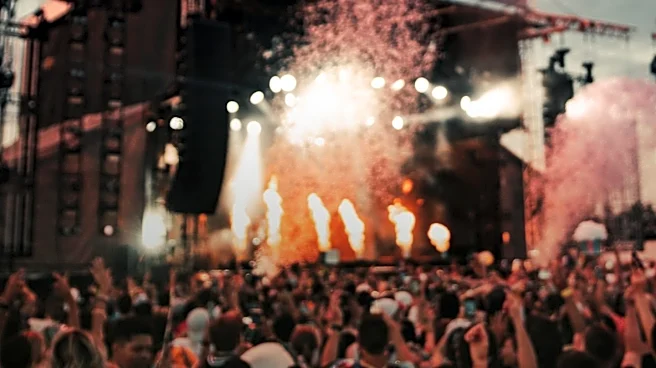
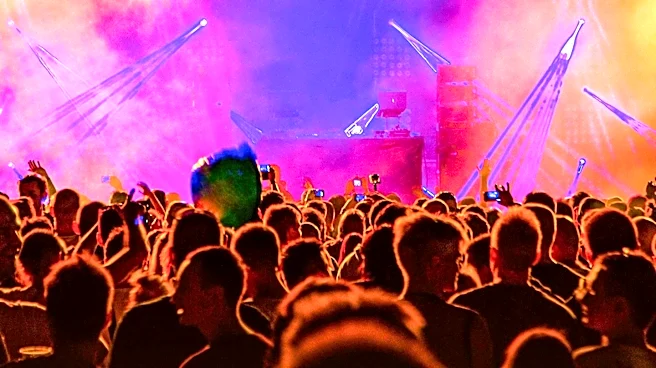
There’s a reason the second-to-last main stage performance is often called the “sunset slot,” and it’s about more than just timing. As the sun dips below the horizon, the entire mood of a festival shifts. The oppressive heat of the day breaks, replaced
by a communal, electric buzz. The sky puts on a natural light show, and the stage lights begin to pop with an intensity that daylight washes out. This is the moment a sub-headliner walks into. The crowd is a perfect mix: they’re energized and fully immersed in the festival spirit but not yet drained from a 10-hour day. Research and anecdotal evidence from festival-goers consistently highlight how the environment—from social connection to the atmosphere—is as crucial as the music itself for a peak experience. The sub-headliner gets to harness this transitional energy, turning the day into night and setting the emotional tone for the evening's climax.
Hunger vs. Expectation
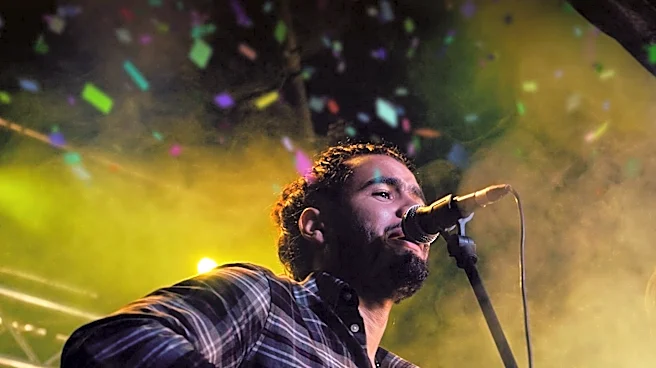
A headliner arrives with the full weight of the festival on their shoulders. They are the main draw, the name that sold thousands of tickets, and the act expected to deliver a flawless, career-spanning spectacle. There’s a certain pressure to play the hits, stick to the script, and satisfy the broadest possible audience. The sub-headliner, by contrast, often has something to prove. They are frequently artists on a steep upward trajectory, knocking on the door of superstardom. This position fosters a unique hunger. Their performance isn’t just a victory lap; it’s an audition for the top spot next year. That desire to win over new fans and leave an indelible mark often translates into a raw, high-energy performance that can feel more urgent and vital than the more polished production that follows.
The Audience Sweet Spot
By the time the sub-headliner takes the stage, the audience is perfectly primed. Unlike the early-day crowds who are still finding their bearings, or the late-night crowd battling fatigue, this audience is in the zone. Psychologically, they've achieved a state of what sociologists call “collective effervescence,” a feeling of deep connection and shared identity within the crowd. They’ve been singing along with other bands all day, forging a temporary community. The sub-headliner gets to capitalize on this peak state of audience receptivity. They aren’t fighting for attention; they are receiving it from a crowd that's ready to connect. This is a stark contrast to the main headliner, who often plays to an audience that is beginning to feel the physical toll of the long day, with some attendees already heading for the exits to beat the traffic.
The Freedom of Second Place
While the headliner’s set can sometimes feel like a carefully curated museum of their biggest hits, the sub-headliner often has more room to play. They have the freedom to take risks that a headliner might avoid. This could mean debuting a new, unreleased track, throwing in a surprising cover, or diving into deeper cuts that energize their core fanbase. This element of spontaneity is a huge part of what makes live music special. Performers in this slot are not just there to satisfy expectations but to exceed them. They want to be the band that everyone is talking about the next day. This freedom allows for moments of genuine, unscripted magic that a more rigidly planned headlining set might not accommodate, creating unique experiences that become the stuff of festival legend.