




The Unbreakable Bond of '95
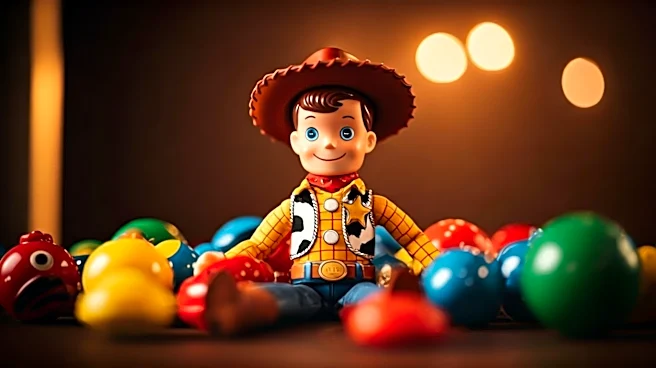
For Millennial parents, Buzz and Woody aren't just characters; they're fixtures of a formative pop-culture memory. The original Toy Story in 1995 wasn't just a movie, it was a technological and narrative earthquake. It was the first of its kind, a fully
computer-animated feature that told a story with a wit and emotional depth that resonated as much with adults as it did with kids. Watching it felt like seeing the future. Those kids are now the parents making household spending decisions. They are the ones who will buy the tickets and the merchandise, driven by a powerful desire to share a piece of their own childhood with their children. This nostalgia is the bedrock of the franchise’s enduring power. It’s a guaranteed audience, but also a demanding one that holds the original trilogy as a nearly perfect, sacred text.
The YouTube-Sized Sandbox
But the children of those Millennials don't live in the same media world. Theirs is not a world of appointment television or carefully curated VHS collections. They inhabit an infinite, on-demand digital sandbox dominated by YouTube, TikTok, and Roblox. Entertainment isn't just watched; it's scrolled, swiped, and participated in. The most popular characters in their world are often from properties like Cocomelon or Blippi—content built on repetition, simple musical loops, and a direct-to-camera style optimized for short attention spans. The concept of a toy's secret life might be less compelling when their own “smart” toys talk back to them on command or when they can watch thousands of user-generated videos of other kids unboxing and playing with the exact same action figures. This is the audience Toy Story 5 must win over, not just borrow from their parents.
Pixar's High-Stakes Balancing Act
Pixar knows this better than anyone. The studio is navigating a tricky period. After a golden run of original hits, its recent strategy has been a mix of bold new worlds (Elemental, Turning Red) and less successful franchise extensions. The box office disappointment of Lightyear serves as a crucial cautionary tale. That film tried to expand the universe by creating the “movie within a movie” that inspired the Buzz Lightyear toy. The concept was clever but proved too convoluted for audiences, who felt it lacked the core emotional hook: the relationship between the toys and their kid. Disney CEO Bob Iger’s mandate to “lean into our unrivaled brands” makes sequels like Toy Story 5 a business necessity. The challenge for Pixar is to make it a creative triumph, proving they can honor the past without being trapped by it, and engage the present without pandering.
A Digital Cowboy or a Viral Buzz?
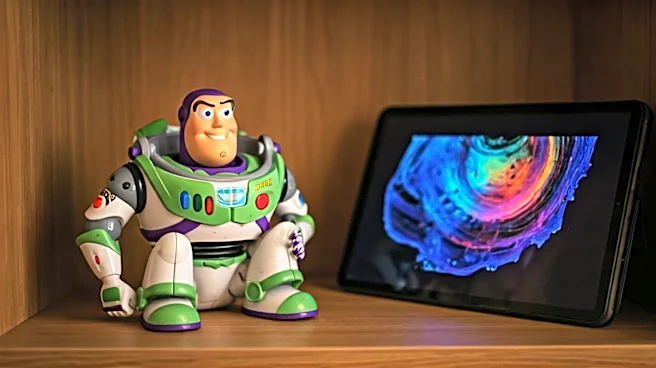
So, how could the film bridge this gap? The possibilities are woven into the very premise of the headline. The conflict of Toy Story 5 might not come from a rival toy, but from a rival form of entertainment. Imagine a plot where the classic toys must compete for a child's attention against a new, alluring iPad. Perhaps a new character isn't a physical toy at all, but a viral avatar from a popular kids' game that somehow manifests in the real world. Could the story explore the existential crisis of a toy that sees its exact likeness become a star in a million unboxing videos on YouTube? This would allow the film to directly address the changing nature of play itself. It would transform the film from a simple adventure into a commentary on its own place in the 21st-century childhood, making the themes as modern as the animation.