





The Official Anthem as Global Handshake
Every four years, a new official song is anointed. Think of Ricky Martin’s “La Copa de la Vida” for France 1998 or Shakira’s “Waka Waka” for the 2010 tournament in South Africa. These tracks are a top-down attempt at creating a global moment. They are slick,
produced by international superstars, and designed to be immediate, accessible, and broadcast-friendly. While some are more forgettable than others, the best ones achieve something powerful: they create a unifying memory. “Waka Waka,” for example, was more than just a hit song; it blended African rhythms with global pop, and in doing so, became a symbol for the first World Cup held on African soil. These anthems serve as a kind of official sonic handshake, welcoming the world to a month-long party and establishing a theme that will echo for years.
The Fan Chant as a Universal Language
If the official anthem is the curated playlist, the fan chants are the raw, unfiltered voice of the people. These are the melodies that bubble up from the stands, often simple, powerful, and incredibly contagious. Think of the universal “Olé, Olé, Olé” or the seven-note riff of The White Stripes’ “Seven Nation Army,” which was adopted by Italian fans in 2006 and has since become a global sporting staple. The key to these chants is their simplicity. They often use a limited vocal range and repetitive structures, making them easy for tens of thousands of strangers to sing in unison, even if they don't share a language. This turns the stadium into a space of collective expression, where the sound itself becomes a form of communication that transcends words. It's an act of belonging, a way for fans to feel part of a massive, unified tribe.
Bottom-Up Hits From the Terraces
Sometimes, a song isn't written for the tournament at all, but is adopted and repurposed by fans with such passion that it becomes an unofficial anthem. This is the magic of football culture. Gala's 1996 dance hit “Freed from Desire” is a perfect example. Decades after its release, Northern Ireland fans repurposed its chorus into “Will Grigg's on Fire” during the Euro 2016 tournament, and the chant went viral. It’s a classic case of what’s called contrafactum, where fans take a well-known tune and write new, team-specific lyrics. It’s a tradition that shows how fan culture is a living, breathing thing, constantly creating its own folklore. These songs spread through social media and global broadcasts, allowing a chant that starts in one corner of a stadium to become a global phenomenon by the next match.
A Shared Soundtrack for Rivals
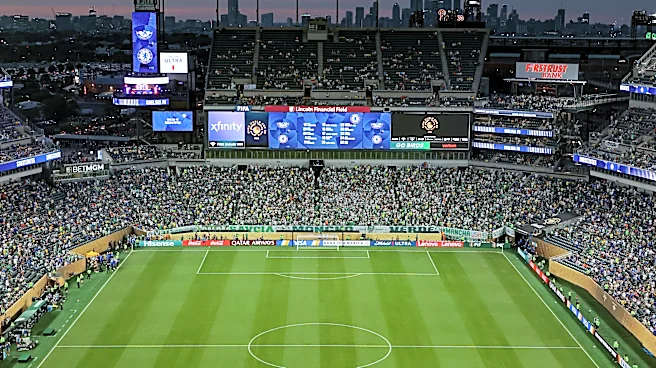
What’s most remarkable is how these songs can unite even the fiercest of rivals. While specific chants are used to motivate a team or intimidate opponents, the broader musical landscape creates a shared cultural space. Fans from Argentina, France, and Japan might have different languages and allegiances, but they all recognize the same thunderous beat of a stadium-wide chant. Psychologically, this synchronized action releases endorphins and fosters social bonding, turning a crowd of individuals into a cohesive, emotional unit. The music becomes a repository of memory; a single song can transport a fan back to a specific goal, a dramatic loss, or a summer of improbable victory. It connects tournaments across decades, linking generations of supporters who have all felt that same surge of hope and despair, all to a similar beat. The songs don't erase the rivalry; they provide the global stage on which the rivalry plays out.