
The Foundation Before Foundation
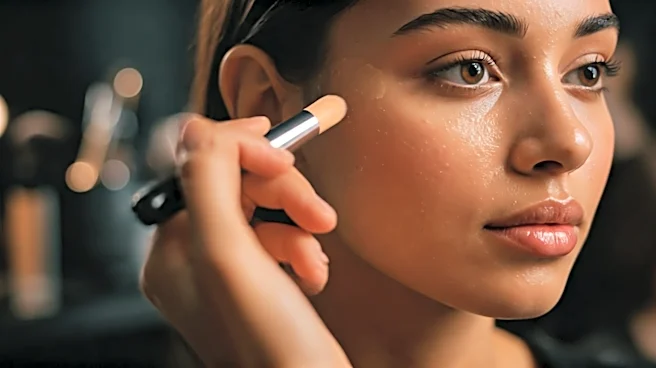
Before a single drop of primer touches the skin, professional makeup artists working on high-stakes events like the AMAs focus on intense skin prep. This isn't just a quick splash of water; it’s a mini-facial
designed to hydrate, plump, and calm the skin. The process often starts with a gentle exfoliation to create a smooth surface, followed by a hydrating essence or sheet mask. Why? Makeup clings better to hydrated, happy skin. A dry, flaky canvas will cause makeup to pill or separate, no matter how good the primer is. For oily skin types, a lightweight, oil-free moisturizer is key to prevent the skin from overproducing oil later. This prep step ensures the face is a perfectly conditioned canvas, ready for the artistry to come.
The First Layer: The All-Over Base
The first layer of primer is about addressing the skin’s primary need. It’s the foundational coat that sets the tone for everything that follows. For an artist working with a client who has dry skin, this will almost always be a hydrating or illuminating primer applied all over the face. This creates a dewy, supple base and prevents the foundation from looking cakey. For someone with combination or oily skin, the first layer is often a lightweight, mattifying primer. The goal here is to establish a baseline of oil control across the entire face before getting more specific. Think of it like painting a wall: you apply a universal base coat before you do any detailed work. This initial layer ensures the entire face is unified in texture and ready for targeted solutions.
The Second Layer: Targeted 'Primer Cocktails'
Here’s where the real professional magic happens. No one’s face has the same needs everywhere, so artists don’t use just one primer. They “cocktail” them, applying different formulas to different zones. A pore-filling, silicone-based primer might be pressed—never rubbed—into the T-zone and around the nose to blur texture and fine lines. An illuminating or light-reflecting primer can be tapped onto the high points of the face, like the cheekbones and brow bone, to create a 'lit-from-within' glow that won't get lost under foundation. This multi-primer approach allows for a completely customized base. It’s the difference between a one-size-fits-all solution and a tailored suit. The key is to use small amounts and let each layer set for a minute before applying the next to prevent pilling.
The Final Layer: The Gripping Anchor
After addressing skin type and specific concerns, many artists apply a final, critical layer: a gripping primer. These formulas have a slightly tacky texture and are designed to act like double-sided tape for your foundation. They create a sticky surface that makeup adheres to, dramatically increasing its longevity through sweat, humidity, and movement. Unlike smoothing primers that create slip, gripping primers create hold. They are often applied sparingly all over the face or concentrated in areas where makeup tends to break down first, like around the mouth and nose. This is the insurance policy that ensures a look created at 4 p.m. still looks perfect after a performance at 10 p.m.
Sealing the Deal Before and After
The layering process doesn't end with primer. Setting spray is an integral part of the equation, used both before and after foundation. A light mist of a hydrating or setting spray can be used after the primer layers have set to meld them together and add another layer of moisture or hold. After foundation and powders are applied, a final, generous dousing of setting spray is non-negotiable. Artists use it to lock everything in place, melt the powders into the skin for a more natural finish, and provide a final barrier against the elements. For an event like the AMAs, where an artist might perform under hot lights, a long-wear or waterproof setting spray is the final step that guarantees makeup endurance.