





1. Find the Character’s Internal Soundtrack
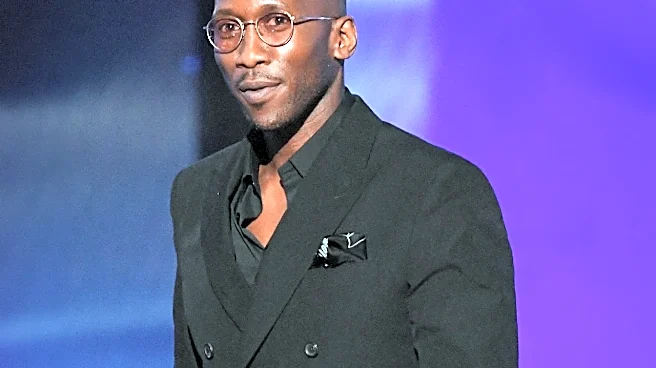
For Ali, presence begins before the camera even rolls. It starts with sound. He is known for creating unique music playlists for every character he embodies, from the conflicted detective Wayne Hays in 'True Detective' to the compassionate Juan in 'Moonlight'.
These are not just collections of favorite songs; they are carefully curated soundscapes that reflect a character’s inner world, their history, and their emotional state. In past interviews, Ali has described this method as a form of meditation, a tool that allows him to quickly focus and drop into the specific frequency of the person he's playing. It’s a reminder that an actor's presence isn't just about what they do on screen, but the depth of the internal world they build off-screen. The music becomes an invisible anchor, grounding the performance in something authentic and specific.
2. Listen to the Spirit of the Role
Some actors build a character from the outside in, focusing on mannerisms and voice. Ali works from the inside out, on an almost spiritual level. When preparing for his Oscar-winning role in 'Moonlight', he spoke of approaching the character of Juan as a 'spirit' first. He described having conversations with him, walking around and talking with the character to discover what he needed to say. This unconventional process suggests that true screen presence comes from a place of deep listening and empathy. It’s about serving as a vessel for the character's truth rather than imposing an actor's ego upon the role. By treating the character as a separate entity with its own needs, Ali unlocks a layer of humanity that feels discovered rather than performed, making his on-screen moments profoundly resonant.
3. Embrace the Power of Stillness
In an industry that often rewards the loudest performance, Mahershala Ali has built a career on the power of quiet. His presence is often most potent in moments of silence. Think of his characters: the lobbyist Remy Danton in 'House of Cards', silently observing the power plays, or the controlled dignity of Dr. Don Shirley in 'Green Book'. Ali understands that stillness is not emptiness. It's a space filled with thought, tension, and unexpressed emotion. It draws the audience in, forcing them to lean forward and wonder what’s happening beneath the surface. This mastery of restraint is a core tenet of his screen presence. He knows that a flicker in the eyes or a subtle shift in posture can convey more than a page of dialogue, demonstrating that what you don't do on camera is just as important as what you do.
4. View Vulnerability as a Strength
From his heartfelt acceptance speeches to his most gut-wrenching performances, a recurring theme in Ali's work is vulnerability. He doesn’t shy away from characters who are broken, conflicted, or searching for connection. He has spoken about the importance of being open and the personal work it takes to make himself available to that emotional exposure. This is not weakness; in his hands, it’s a superpower. It’s the shame that washes over Juan’s face at the dinner table in 'Moonlight'. It’s the profound loneliness of the last man on Earth in 'Swan Song'. By allowing himself to be truly vulnerable, Ali forges an immediate and powerful bond with the audience. He proves that authentic screen presence isn't about projecting an untouchable coolness, but about having the courage to reveal the messy, beautiful, and relatable parts of the human experience.
5. Stay a Student of the Craft
Despite two Oscars and universal acclaim, Ali maintains a philosophy of perpetual learning. 'Hold tight to the mentality of being a student', he has advised, emphasizing the need to approach life and work with constant curiosity. This mindset is crucial for an actor, as it keeps them open, adaptable, and free from the rigidity that can deaden a performance. His career path reflects this—from network television to independent film, from sci-fi series to prestige dramas and Marvel projects. He refuses to be typecast, constantly seeking new challenges that push him to grow. This commitment to being a student ensures his work never feels stale. It’s a vital lesson for anyone in a creative field: the moment you believe you’re a master is the moment you stop creating magic.