




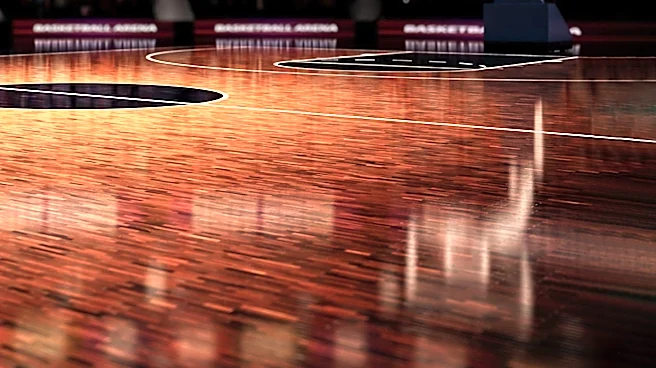


The Courtside Throne
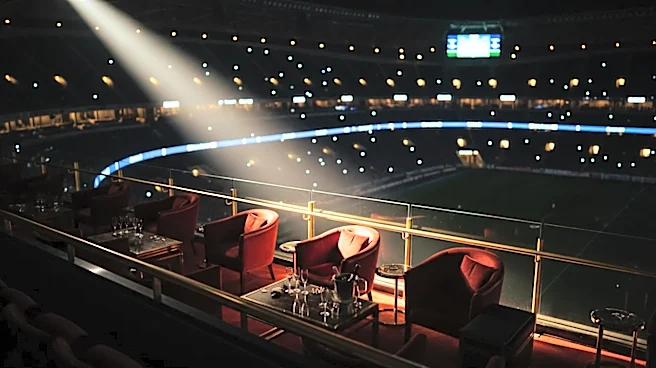
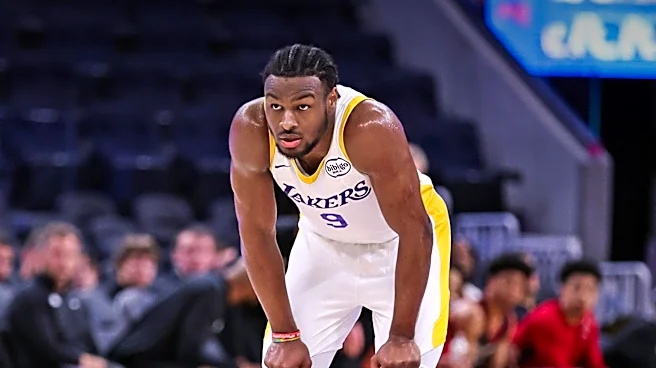
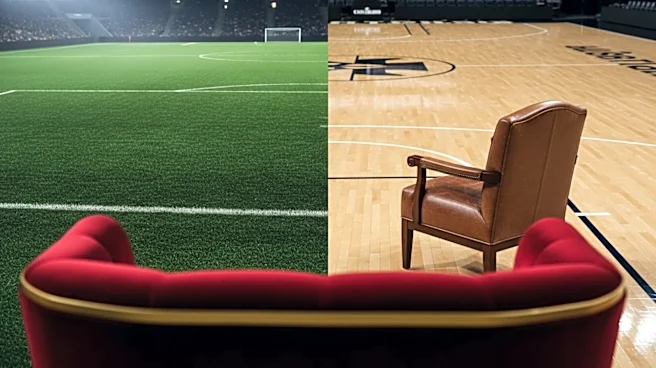
The NBA courtside seat is less a seat and more a throne. It’s the ultimate status symbol, a front-row ticket not just to a basketball game, but to culture itself. The proximity is the point. You’re close enough to hear the trash talk, see the sweat, and become
part of the broadcast. For decades, faces like Jack Nicholson at a Lakers game became as much a part of the team's identity as the players themselves. It’s a symbiotic relationship: the star gets a highly visible, low-effort PR opportunity, and the league gets an injection of glamour. The camera pans to them, the commentators name-drop them, and their presence reinforces the idea that this is the place to be. It’s about being seen, being relevant, and sitting at the intersection of sports and spectacle.
The Supporter in the Stands
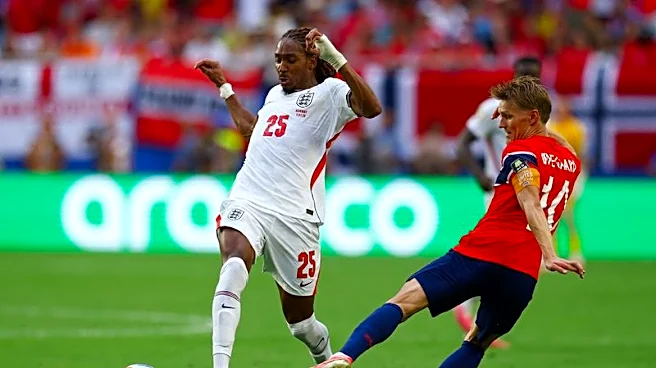
Soccer, or football as it's known to most of the world, presents a different kind of celebrity fandom. While VIP boxes exist, the more compelling image is often the star as a genuine supporter, lost in a sea of thousands. Think of Tom Holland, a devoted fan of Tottenham Hotspur, who has spoken about the resilience the often-struggling team has taught him. This isn't about being seen so much as it is about belonging. The late Kobe Bryant, who grew up in Italy and was a passionate AC Milan fan, once noted that soccer fandom is different, calling it "more like a religion." That passion requires a different kind of participation. It’s about shared misery, collective ecstasy, and a tribal loyalty that a courtside seat can’t replicate. The celebrity is just another fan, one who happens to be famous.
The Ownership Game-Changer
The most significant shift, however, is the move from spectator to owner. This trend is almost exclusively a soccer phenomenon for Hollywood stars. Ryan Reynolds and Rob McElhenney's purchase of Wrexham AFC is the prime example. They didn't just buy tickets; they bought the team, investing millions and documenting their journey. Their involvement transformed a struggling Welsh club into a global story, generating worldwide interest and back-to-back promotions. This isn't a passive photo-op; it's active, high-stakes participation. They join a growing list that includes Will Ferrell at LAFC, Natalie Portman at Angel City FC, and Matthew McConaughey at Austin FC. This model changes the celebrity from a guest into a stakeholder, someone with financial and emotional skin in the game.
Spectacle vs. Community
Ultimately, the difference comes down to the culture of the sports themselves. The NBA is a master of the spectacle. It’s built around individual superstars, high-flying highlights, and a polished, media-friendly presentation perfectly suited for celebrity close-ups. Soccer, particularly outside of its biggest events, is often rooted in generations of local, community-based support. The club is an extension of the town's identity. When a celebrity like Ryan Reynolds invests in Wrexham, he's not just buying a sports team; he's investing in a community. The celebrity presence at an NBA game enhances the league's brand of cool. The celebrity owner in soccer, however, becomes part of the club's narrative, tying their global fame to a local institution. One is about watching the show; the other is about becoming part of the story.