


Scan any street style blog or runway report, and you might feel a sense of déjà vu. Fashion is currently obsessed with the past, but this isn't just a fleeting trend. It's a direct response to some of today's biggest dressing problems.
An Antidote to Fast Fashion Fatigue
One of the primary
drivers of the retro revival is a growing weariness with the relentless churn of fast fashion. For years, the industry has operated on a model of rapid production and disposable clothing, leading to a marketplace saturated with low-quality, homogenous goods. Consumers, particularly Gen Z, are pushing back against the pressure to constantly buy new things to keep up with micro-trends that flame out in weeks. Vintage and secondhand clothing offer an escape from this cycle. They provide a sense of individuality and personal story that mass-produced items lack. Finding a unique '90s slip dress or a perfectly worn-in '70s leather jacket feels more like a personal discovery than a simple transaction, offering a way to express style without simply following a fleeting, algorithm-driven trend.
The Search for Quality and Durability
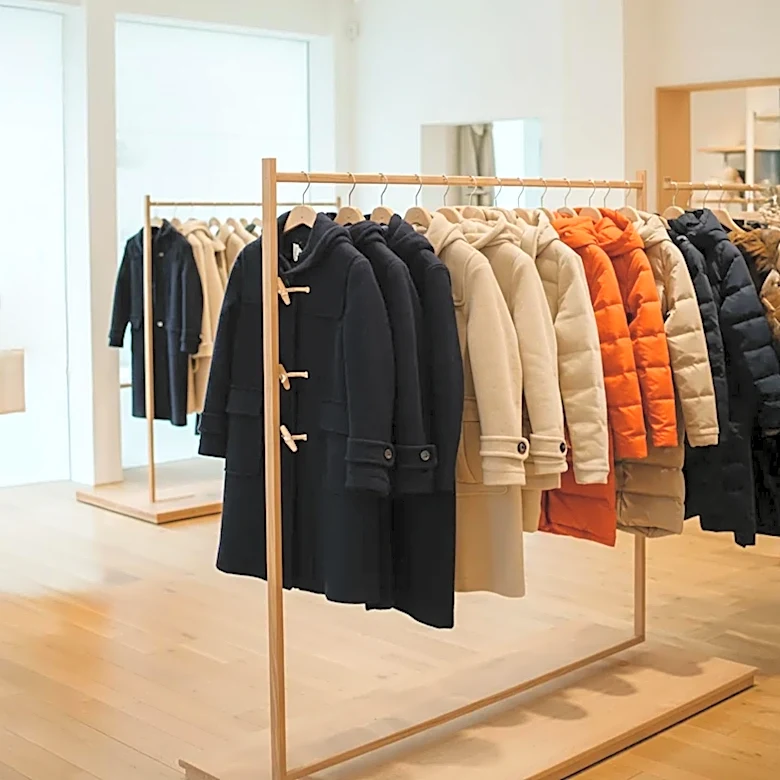
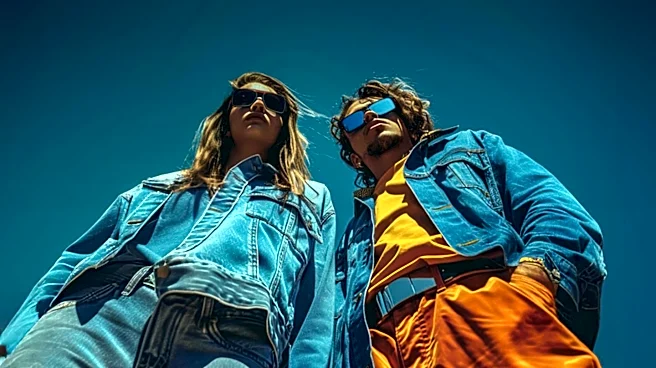
There's a common refrain that 'they don't make them like they used to,' and when it comes to clothing, it’s often true. Modern fast fashion is frequently built on manufacturing shortcuts: lower-quality threads, fewer stitches per inch, and fabrics that pill, shrink, or lose their shape after just a few washes. In contrast, garments from previous decades were often made with greater attention to construction and from more robust materials. A vintage wool coat or a pair of old-school denim jeans can offer superior longevity compared to their modern, low-cost equivalents. This makes looking backward a practical solution to the problem of modern disposability. Shoppers are discovering that investing in a well-made piece from the past is often more economical in the long run, delivering a lower cost-per-wear and reducing the environmental impact of constantly replacing clothes.
The Comfort of Nostalgia in Uncertain Times
Fashion is often a mirror of the cultural mood, and in an era marked by economic anxiety and social flux, nostalgia provides a powerful sense of comfort and escapism. The revival of specific eras is not random. The current obsession with Y2K fashion—with its playful, futuristic optimism—can be seen as a desire for the relative simplicity of a pre-9/11, pre-social media world. Similarly, the return of '70s bohemian styles, with their earthy tones and free-spirited silhouettes, taps into a yearning for peace and connection. For millennials, these trends can evoke fond memories of their youth, while for younger generations like Gen Z, they offer a chance to connect with a romanticized past they never experienced. This emotional connection makes wearing retro styles feel both reassuring and personally meaningful.
A Sustainable Choice by Default
As awareness grows around the fashion industry's staggering environmental footprint—from water consumption to landfill waste—many consumers are seeking more sustainable ways to dress. The circular fashion movement, which emphasizes reusing, repairing, and recycling garments, is gaining significant traction. Shopping for vintage and secondhand clothing is one of the easiest and most effective ways to participate in this circular economy. It extends the life of existing garments, reduces demand for the production of new items, and keeps clothing out of landfills. While sustainability might not be the primary driver for every vintage shopper, the eco friendly benefit is an undeniable bonus that aligns with the values of a growing number of modern consumers.