


The Carnival's Usual Frequency
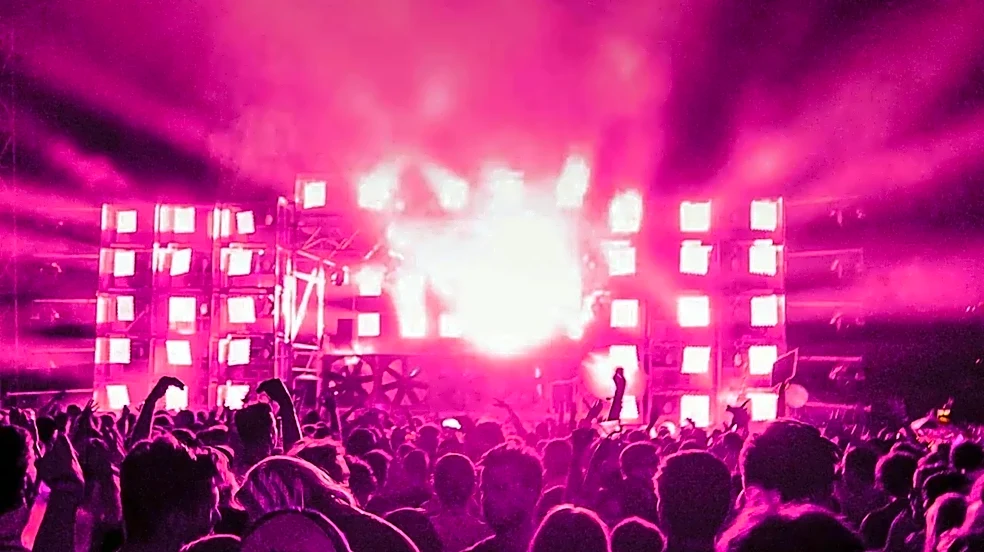
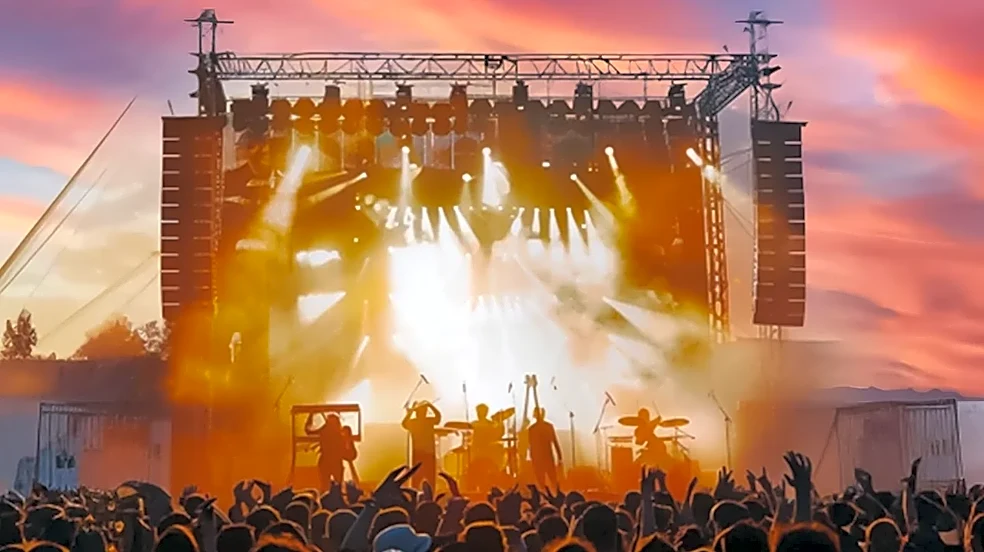
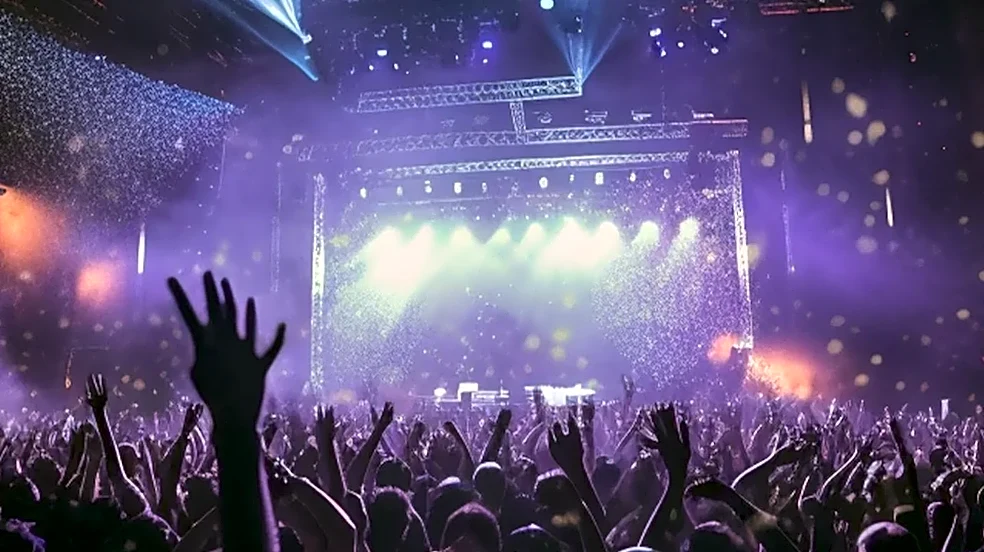
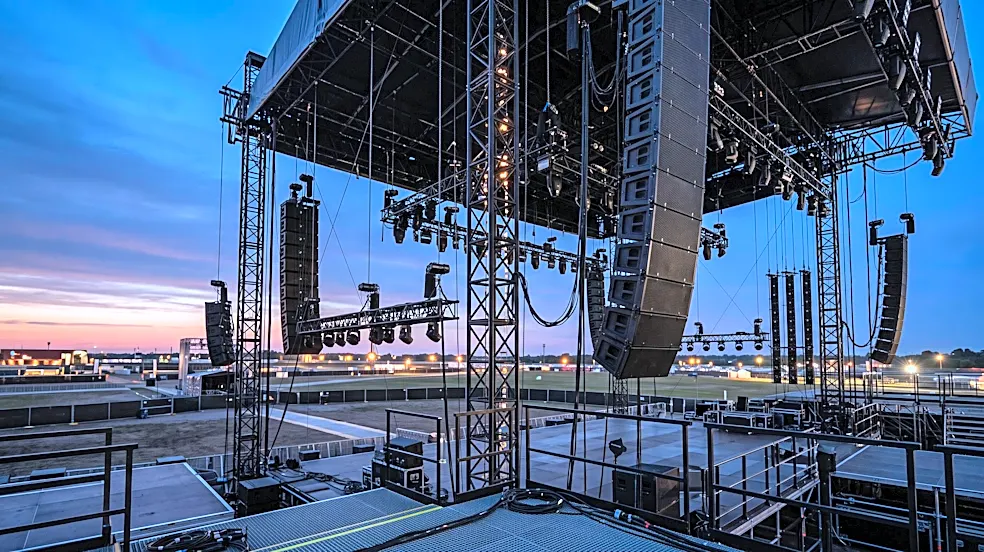
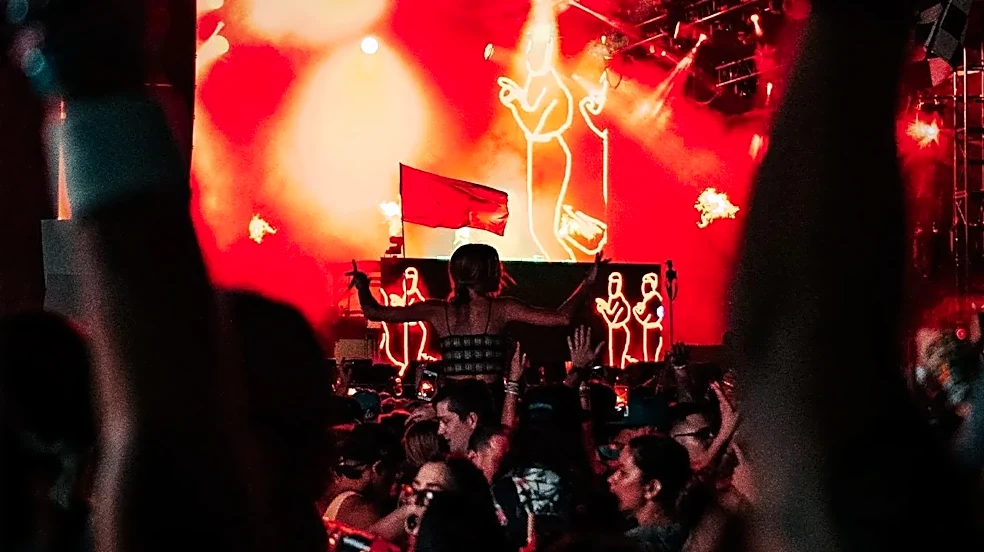
Tyler, the Creator’s annual festival, Camp Flog Gnaw, has cultivated a reputation for its high-energy, eclectic atmosphere. Held at Dodger Stadium, it’s a universe of its own, blending the chaos of a state fair with the cutting edge of modern music. The
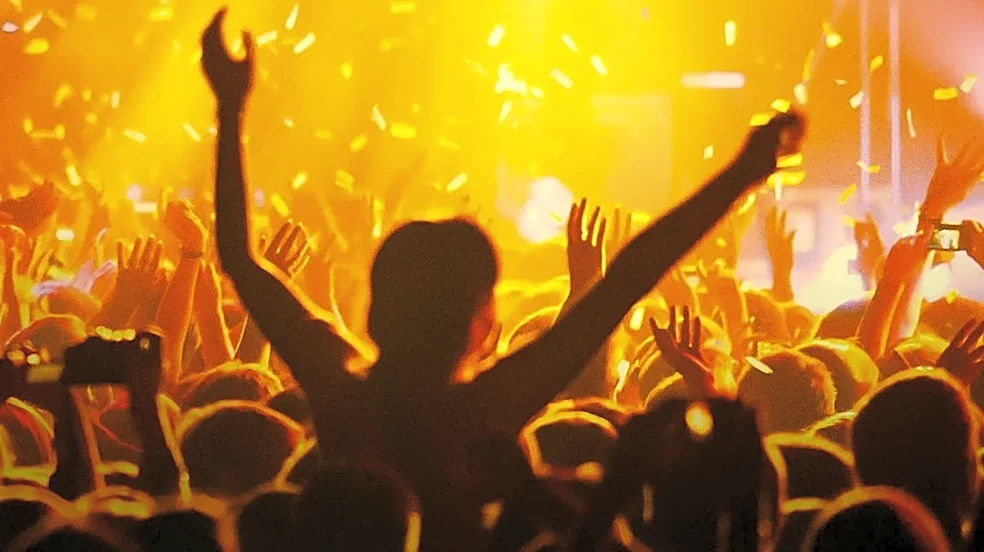
air buzzes with the energy of thousands of fans moving between stages, grabbing merch, and riding Ferris wheels. The sonic backdrop is often a powerful mix of hip-hop, punk, and electrifying pop, with artists known for commanding mosh pits and thunderous singalongs. It’s a place built for movement, for shouting lyrics back at superstars, and for collective, high-decibel euphoria. In this carefully curated chaos, the expectation is energy, volume, and spectacle.
A Sudden, Reverent Hush
Yet, some of the festival's most legendary moments have been defined not by noise, but by its absence. When Sampha has performed at past Flog Gnaws, a notable shift occurs. As the intricate piano melody of a song like ‘(No One Knows Me) Like the Piano’ begins, a palpable hush falls over a crowd that was, just moments before, a sea of kinetic energy. Phones that were up to record a hype moment stay up, but now they are held like digital lighters. The mood transforms from a public party to a collective, private introspection. It’s a testament to the British singer's power that he can command tens of thousands of people with little more than his voice and a piano, creating a pocket of stillness amidst the carnival's joyful storm. The audience doesn't just listen; they hang on every word, absorbing the raw vulnerability of his performance.
Vulnerability as a Main Stage Act
The 'Sampha effect' reveals a deeper truth about the modern festivalgoer. While explosive energy is still a major draw, there's a growing appetite for genuine emotional connection. Festivals curated by artists, like Tyler’s, reflect a more holistic and diverse musical taste. The inclusion of an artist like Sampha isn't a counterintuitive booking; it's a recognition that the audience desires a full spectrum of feeling. Sharing a moment of quiet, communal sadness or reflection can be just as powerful and unifying as being in a mosh pit. In an era of constant digital noise, the shared experience of focused listening and palpable emotion offers a different kind of release—one rooted in empathy and connection rather than pure adrenaline. It proves that intimacy has become its own form of spectacle.
More Than Just 'Sad Songs'
To label Sampha's music merely as 'sad' is to miss the complexity that makes it so captivating live. His songs are built on intricate rhythms and sophisticated musicality. Tracks like ‘Blood on Me’ are driven by intense, polyrhythmic drumming and a desperate, rising energy that is anything but sleepy. Live, his performance is dynamic, building from a whisper to a soulful cry, his band creating a soundscape that is both ambient and percussively sharp. This isn't background music; it demands active listening. The audience quiets down not just because the music is soft, but because it’s detailed and rich with sonic and lyrical storytelling. This demand for attention is what makes his sets so immersive, forcing a pause in the festival's relentless pace and creating a space for a different, more focused kind of intensity.