
1. The 'Why Now?' Test
The first and most crucial hurdle is simple: Why does this sequel exist right now, other than as a line item on a studio's balance sheet? For years, the primary motivation for a sequel was commercial,
not creative. If a movie crossed a certain box office threshold, the next installment was greenlit, often forcing a story to continue when it had already reached a natural conclusion. Audiences have grown savvy to this tactic. They can smell a cash-grab from a mile away, and the backlash against narratively unnecessary sequels is growing. A successful sequel needs a compelling artistic reason to return to its world. Look at legacy sequels like "Practical Magic 2." It's not just about getting the original stars back; it's about exploring what the characters' lives look like decades later and how the story's themes resonate in a new era. Unless a film can provide a convincing answer to "Why now?" it risks being seen as a hollow exercise in nostalgia bait.
2. The Originality Hurdle
The paradox of a great sequel is that it must feel both familiar and new. Lean too far into familiarity, and it’s a lazy rehash. Stray too far, and you alienate the original fanbase. The sequels that succeed, like "Top Gun: Maverick" or "The Dark Knight," honor the spirit of the original while pushing the characters and the world in a bold new direction. This fall's lineup will be tested on this front. Will a film like "Avengers: Doomsday" simply repeat the massive crossover formula, or will it find a way to make the stakes feel personal and fresh? The worst offenders of franchise fatigue are often the ones that treat the original film as a checklist, repeating plot points and character arcs beat-for-beat. True innovation means expanding the world, deepening the lore, and challenging the protagonist in ways the audience doesn't see coming. It’s the difference between a reunion tour and a groundbreaking new album.
3. The Spectacle Standard
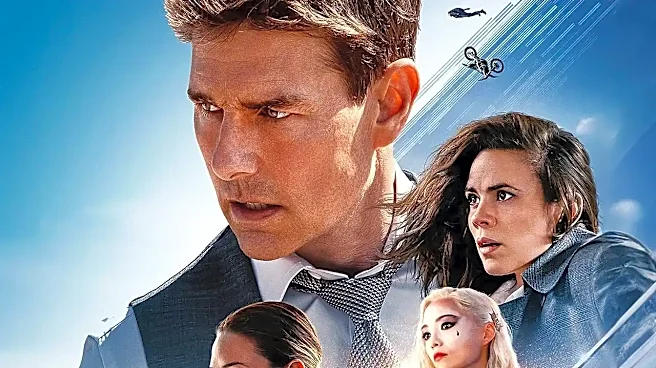
In the age of prestige television and endless streaming options, a movie needs to offer an undeniable reason to leave the house. For a blockbuster sequel, that reason is often spectacle. It has to promise a visual and auditory experience that a home setup simply cannot replicate. This is about more than just bigger explosions or more CGI. It’s about visionary filmmaking that creates an immersive, must-see event. Think of the breathtaking underwater sequences in "Avatar: The Way of Water" or the mind-bending practical stunts in the "Mission: Impossible" series. These films justify their existence on the big screen. A sequel that looks and feels like it could have been a deluxe episode of a streaming series is in serious trouble. Audiences are no longer willing to pay premium prices for something that doesn't feel like a true cinematic event, making the spectacle standard higher than ever.
4. The Emotional Core Exam
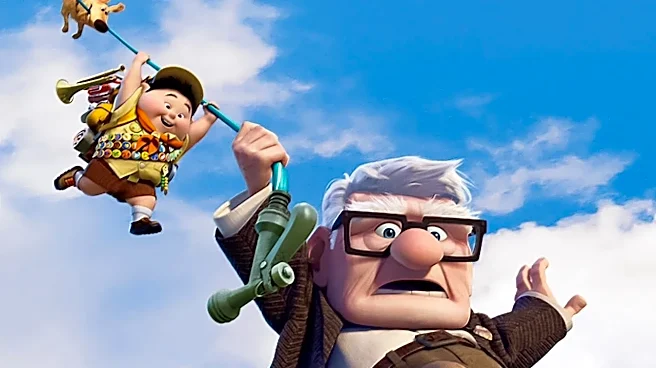
Ultimately, what makes a story stick isn't the plot, but the people in it. The most enduring franchises are built on characters audiences genuinely care about. A sequel can have a great premise and stunning visuals, but if it fails to connect on an emotional level, it's just noise. This is where many sequels stumble, either by undoing a character's hard-won development from the previous film or by failing to give them a meaningful new journey. Successful sequels deepen our understanding of the characters. "Toy Story 3" and "Inside Out 2" worked because they tapped into universal, poignant themes of growing up and letting go, using beloved characters to explore complex emotions. A film like "The Hunger Games: Sunrise on the Reaping" must do more than just return to the world of Panem; it needs to make us feel the weight of its characters' choices. Without that emotional core, a franchise is just an empty intellectual property.