



A jacket's closure might seem like a minor detail, but it's one of the most important factors defining its silhouette, style, and comfort. More than just a way to keep the cold out, the fastener is a structural component that dictates how a jacket drapes,
layers, and fits your body. Understanding the differences is key to choosing a piece that not only looks great but also functions perfectly for your needs.
Zippers: The Modern Standard
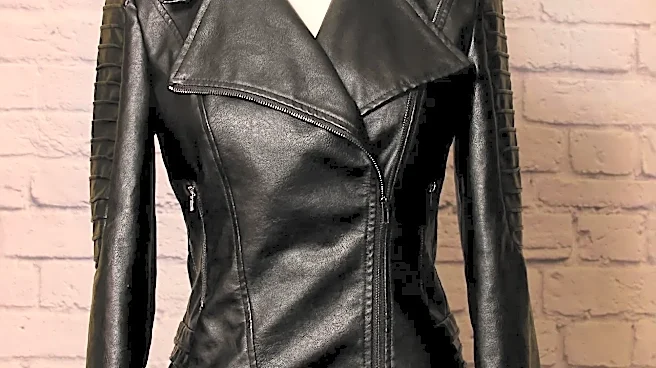
Zippers offer a continuous, clean line that creates a sleek and modern silhouette. Because they pull the two front panels together evenly, they provide excellent protection against wind and are a popular choice for everything from sporty windbreakers to edgy leather jackets. The fit is often more streamlined and less forgiving than buttons, as the zipper creates a rigid vertical line. A two-way zipper, which can open from both the top and bottom, offers more versatility in fit, allowing you to create space at the hem for comfortable sitting or layering. However, a zipper's rigidity can sometimes cause bunching or pulling if the jacket is too tight or layered over a bulky sweater.
Single-Breasted Buttons: The Versatile Classic
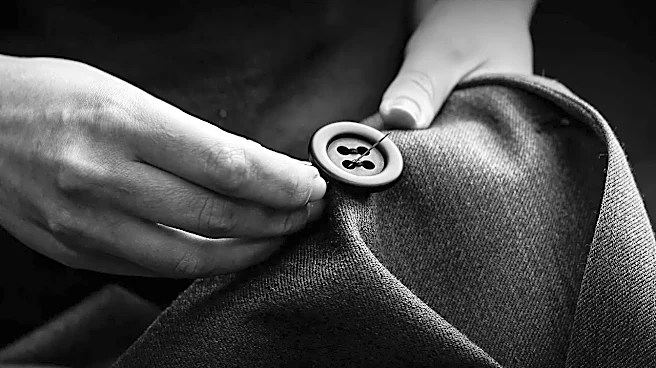
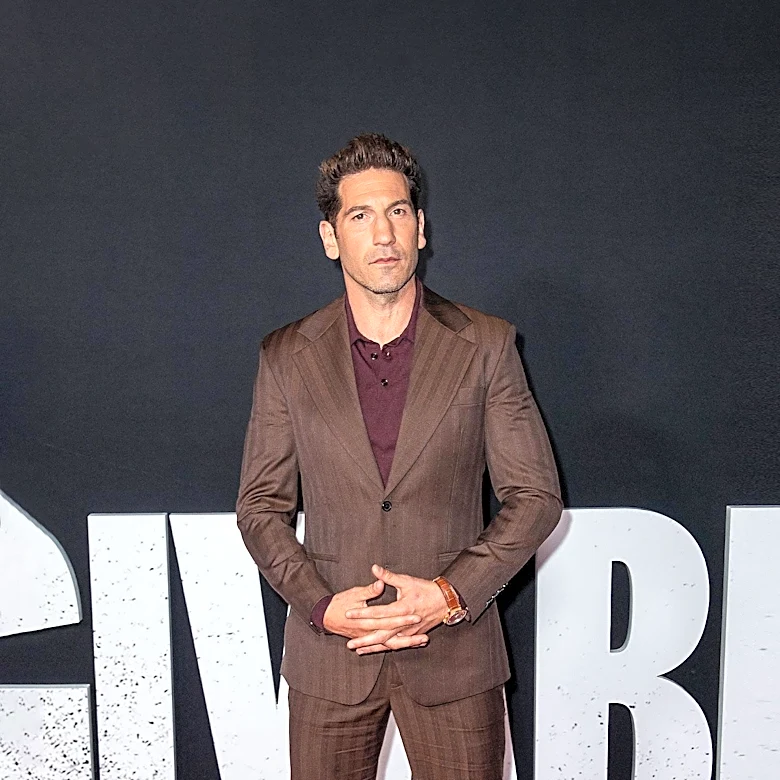
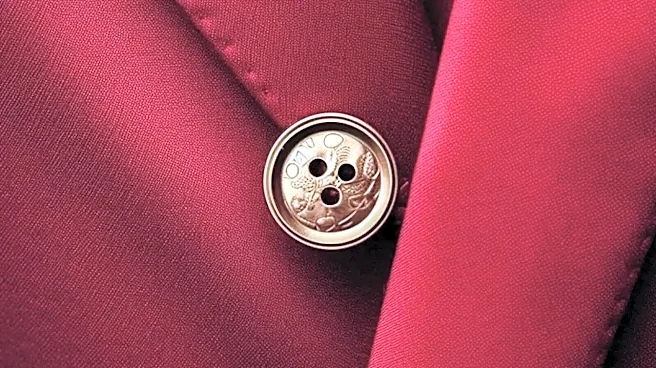
The single-breasted closure, with its single column of buttons and minimal fabric overlap, is the most common and versatile style. It creates a flattering V-shape that can elongate the torso. This style is a chameleon, working for casual chore coats and formal blazers alike. The fit is more adaptable than a zipper because the intermittent closure points allow for more movement and natural draping. The 'button stance', or the height of the top button, is crucial; a higher stance can feel more formal and structured, while a lower one creates a more relaxed, deep V-neckline. This style is universally flattering for nearly all body types.
Double-Breasted Buttons: The Power Statement
With two parallel columns of buttons and a significant overlap of fabric, the double-breasted closure is inherently more formal and commanding. This design adds visual width and structure to the torso, making it a powerful choice for peacoats and blazers. Because the front panels wrap across the body, this style adds an extra layer of fabric, providing more warmth but also more bulk. A proper fit is non-negotiable here; a poorly fitted double-breasted jacket can look boxy or pull awkwardly. This style is often considered best for taller or slimmer frames, as it adds substance, but with the right tailoring, it can create a slimming effect on broader builds as well.
Snaps or Poppers: The Casual Workhorse
Snap fasteners offer quick, convenient fastening, making them a favorite for casual outerwear like shirt jackets ('shackets'), westernstyle shirts, and children's clothing. Functionally, they behave similarly to buttons but are often easier to operate with one hand or while wearing gloves. Because snaps create distinct pressure points, they require reinforced fabric to prevent tearing over time. The fit is generally relaxed, as snaps are typically used on less structured garments. While they provide a secure closure, the gaps between snaps can let in more wind than a zipper.
Toggles: The Duffle Coat Signature
Instantly recognizable, toggle closures—consisting of a hornward or woodlike 'button' and a loop—are the defining feature of duffle coats. These closures are large and designed to be a prominent visual element, lending a classic, slightly rustic charm. Toggles are exceptionally easy to fasten even with thick winter gloves on. Due to their bulky nature and the way they stand away from the garment, they create a looser, lessdefined fit compared to other closures. This makes them ideal for heavy outerwear designed to be worn over multiple thick layers.
Hook and Eye: The Minimalist Fastener
For a completely seamless and minimalist look, the hookandeye closure is unparalleled. Often used on formal womenswear, fur coats, or at the top of a dress zipper, these small metal fasteners are designed to be invisible when closed. They provide a very close fit by holding the fabric edges flush together without any overlap. While excellent for creating an uninterrupted visual line, they are less robust than other closures and are best suited for garments that don't experience high tension at the closure points.