



A Familiar Canvas for New Ideas
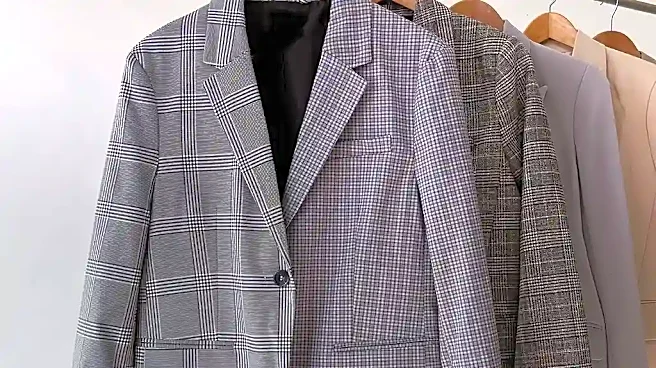
At its core, the blazer is a universally understood piece of clothing. It has lapels, shoulders, and a closure. This shared visual language gives designers a stable foundation to build upon, deconstruct, or completely reimagine. Instead of inventing a new
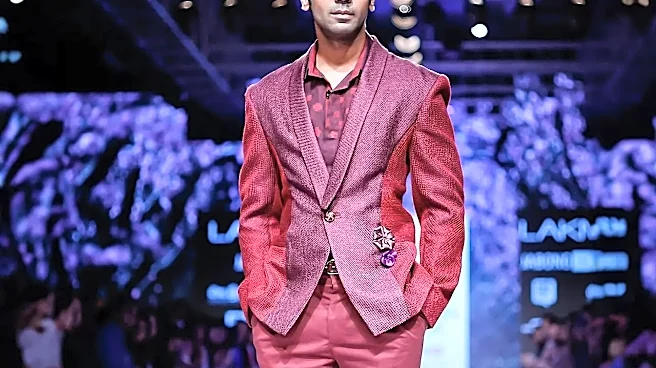
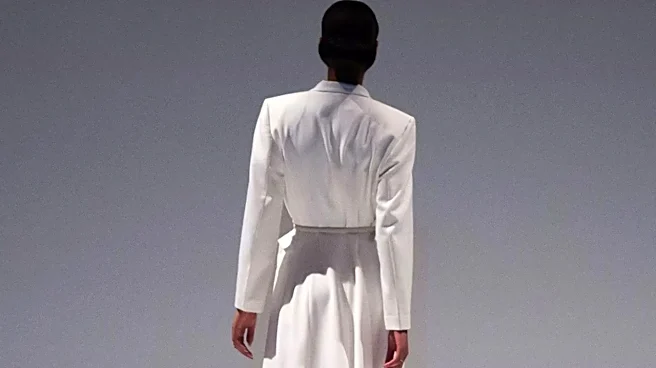
garment from scratch, they can use the blazer as a shortcut to communicate their vision. For the Spring/Summer 2027 season, which just showed, this meant everything from minimalist, clean-lined tailoring to jackets adorned with intricate textures and bold colors. By starting with a familiar shape, designers can push boundaries in fabric, proportion, or styling, knowing the audience will still recognize the garment's essential 'blazer-ness'. This allows for a more focused form of creativity, where the innovation is in the details.
The Intersection of Anarchy and Heritage
London's fashion identity is a unique blend of formal tradition and rebellious subculture. On one hand, you have the legacy of Savile Row, the global standard for bespoke tailoring. On the other, you have the anarchic spirit of punk and the city's vibrant street style. The blazer exists right at this intersection. Runway reports from recent seasons consistently show designers playing with this duality. You might see a beautifully tailored blazer paired with distressed denim or a classic shape rendered in an unexpected, utilitarian fabric. This contrast is quintessentially London. Designers here don't just create clothes; they comment on culture, and the blazer is their perfect tool for exploring the tension between the establishment and the avant-garde.
Redefining Power and Professionalism
The blazer has long been synonymous with power, from the sharp-shouldered silhouettes of the 1980s to the polished workwear of today. But what 'power' looks like is constantly evolving, and London's designers use the blazer to reflect that shift. Recent collections have moved away from rigid, overtly corporate shapes toward more fluid and expressive forms. We're seeing softer shoulders, relaxed and oversized fits, and blazer-dresses that merge formal structure with feminine energy. This evolution mirrors a broader cultural move away from old-school hierarchies toward a more individualistic and creative definition of success. A funnel-neck blazer, for example, offers architectural sharpness without the stuffiness of a traditional lapel, a trend seen growing in popularity.
The Ultimate Layering Piece
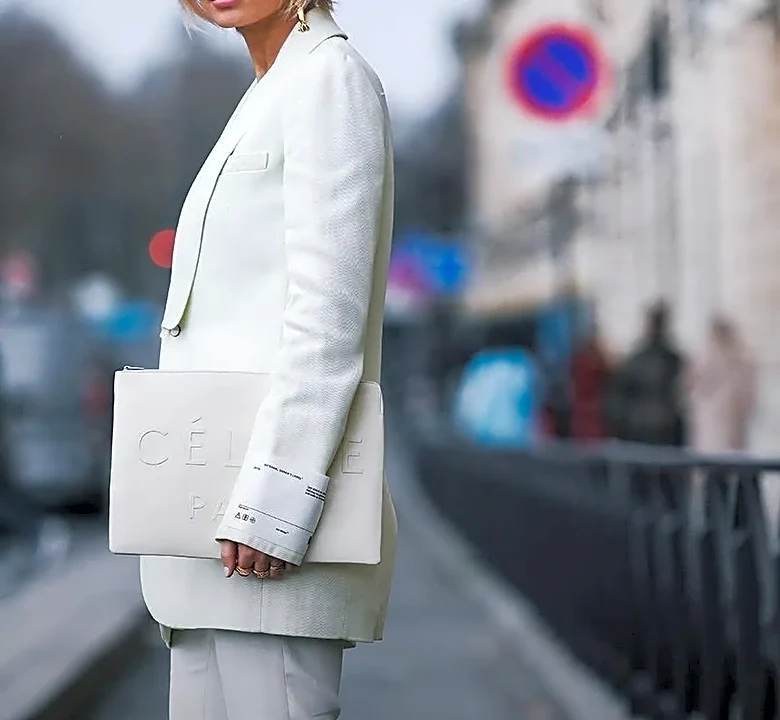
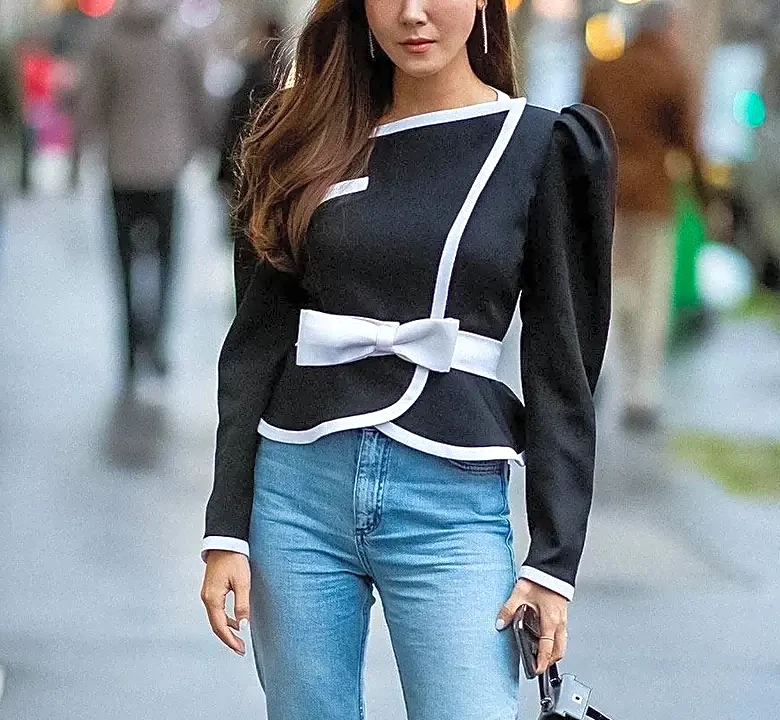
From a purely practical standpoint, the blazer is unmatched in its versatility for layering, a key element of British style. London's notoriously fickle weather demands adaptable wardrobes, and the street style outside the shows proves the blazer's utility year after year. It can be thrown over a delicate dress, layered under a heavy trench coat, or worn as a standalone top. This season, with craftsmanship and sustainability at the forefront of many designers' minds, the focus was on investment pieces that offer longevity and multiple uses. A well-made blazer is the epitome of this ethos. It’s a piece that can anchor a wardrobe through multiple seasons and be styled in countless ways, making it not just a creative tool for designers but a smart one for consumers, too.