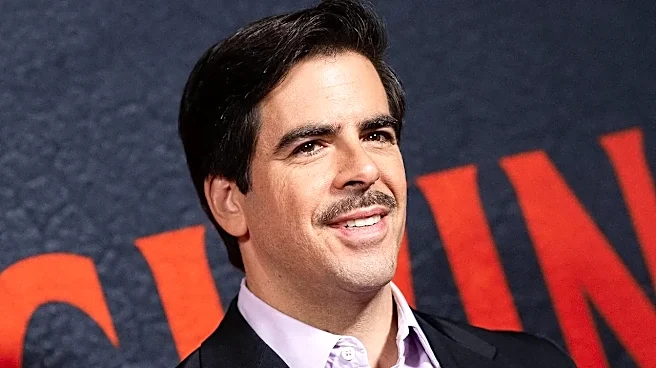





The slasher movie has stalked summer camps, sorority houses, and sleepy suburban streets. But with 'Thanksgiving,' director Eli Roth gives the genre a uniquely modern hunting ground: the Black Friday doorbuster sale.
From Camp Crystal Lake to RightMart
The classic masked-killer formula requires
a few key ingredients: a group of teens, a remote location, and a mysterious figure with a grudge. 'Thanksgiving' takes this recipe and marinates it in consumerist rage. The film's inciting incident isn't a past sin at a summer camp, but a Black Friday sale at a 'RightMart' superstore that devolves into a deadly stampede. This opening sequence establishes the setting not as an isolated cabin, but as a battleground of rabid consumerism. The threat isn't a supernatural force; it's the very real, documented chaos of shoppers turned into a violent mob over discount waffle irons.
A Killer With a Grievance, Not a Grudge
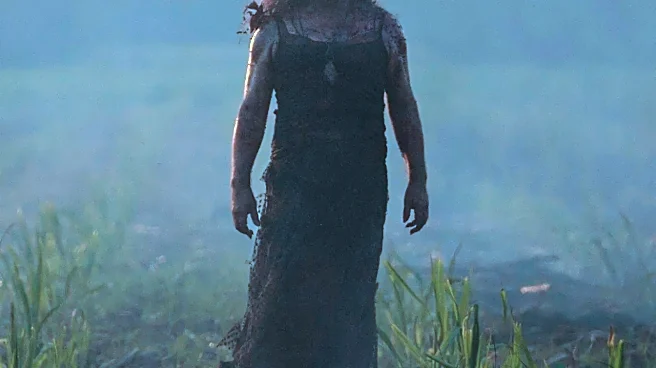
One year after the deadly riot, a killer wearing a John Carver pilgrim mask begins to terrorize Plymouth, Massachusetts, the birthplace of the holiday. But this isn't random. The killer’s targets are the very people—from the greedy store owner to the entitled teens who snuck in early—he holds responsible for the tragedy. The killer is revealed to be Sheriff Eric Newlon, whose pregnant lover was killed in the stampede. His motive is a twisted form of social justice, punishing characters for their roles in the consumerist frenzy. He isn't just a monster from a legend; he is a product of a very modern American nightmare.
The Victims Aren't Exactly Virtuous
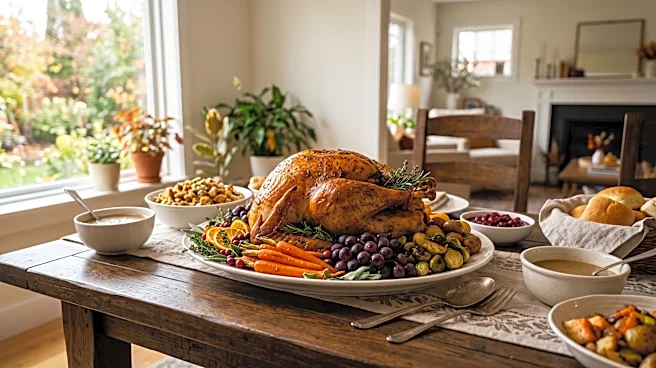
Slasher films often rely on a 'final girl' who survives because of her moral purity. 'Thanksgiving' complicates this by making nearly every character complicit. The main group of teens aren't just innocent bystanders; their decision to cut the line and enter the store early directly instigates the riot. Their social media posts and general apathy make them unsympathetic, turning the audience's allegiance on its head. When the killer creates a grotesque 'Thanksgiving dinner' with his victims—roasting one like a turkey and bludgeoning another on a livestream—it’s both horrifying and a grimly poetic punishment for their greed.
Satire Sharper Than an Axe
What makes 'Thanksgiving' a clever update to the formula is its satirical bite. The film uses the slasher framework to launch a full-throated critique of holiday consumerism. Director Eli Roth frames the Black Friday riot as the film's true horror, portraying capitalism itself as a villain just as monstrous as the masked killer. The kills are creatively grotesque and often themed around the holiday, with victims impaled on corn cob holders or cooked in an oven. But the real horror isn't the gore; it's the reflection of a society where gratitude has been trampled by greed, and a holiday sale can become a justification for murder.