


The Old Floral Guard
For decades, the floral shirt occupied a very specific, and often unflattering, corner of the American male psyche. It was the uniform of the vacationing dad, the tiki-bar enthusiast, or the guy clinging to a vague, thrift-store nostalgia for the Summer
of Love. Tom Selleck in *Magnum, P.I.* made the Hawaiian shirt iconic, but he didn't exactly make it a sophisticated, everyday option for the office or a stylish cocktail bar. Florals were a costume, a statement of deliberate casualness, or an ironic nod to the past. They were loud, they were specific, and they were rarely, if ever, considered elegant. For the average guy in the early 2000s, wearing florals felt like a risk with very little reward—a sartorial dead end.
The Florence Street Style Revolution
Enter Pitti Uomo. For the uninitiated, Pitti is a biannual menswear trade show in Florence, Italy, where designers and brands showcase their upcoming collections to buyers and the press. But starting in the late 2000s and exploding in the early 2010s, the real show wasn't happening inside the exhibition halls. It was happening outside, on the plaza of the Fortezza da Basso. This was the dawn of the street style blog. Photographers like Scott Schuman (The Sartorialist) and Tommy Ton descended on Pitti, not to capture runway looks, but to photograph the exquisitely dressed men attending the event. These weren't models; they were editors, buyers, and style aficionados from around the world. Their images, blasted across the internet, became more influential than a thousand magazine editorials. They presented a new, aspirational, yet seemingly attainable vision of masculinity and style.
Sprezzatura and the Sophisticated Bloom
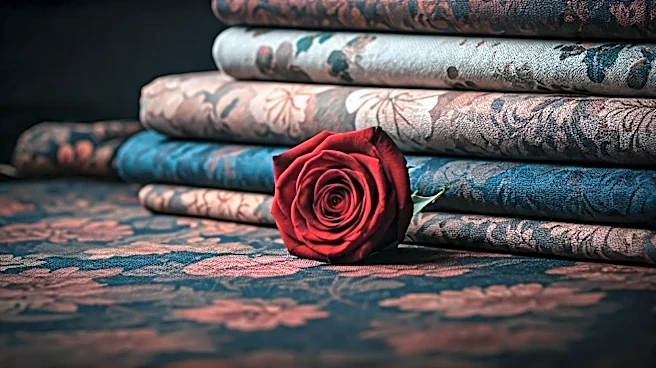
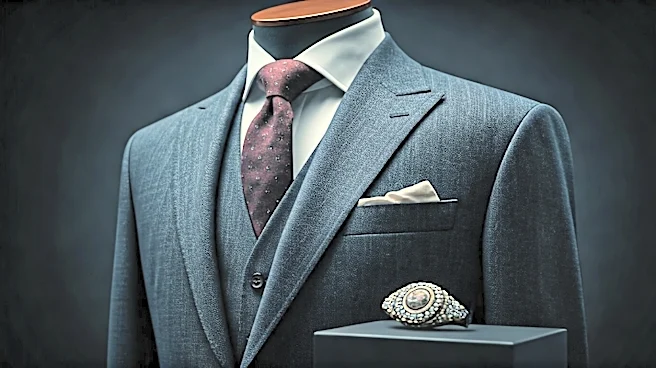
The men at Pitti weren't just wearing clothes; they were embodying an Italian concept known as *sprezzatura*—a studied carelessness, the art of making the difficult look effortless. And this is where florals had their renaissance. They weren’t wearing the baggy, billboard-sized prints of the past. Instead, they integrated florals in a way that was both daring and disciplined. Picture a sharply tailored navy blazer, worn not with a plain white shirt, but with a crisp button-down featuring a subtle, small-scale floral print. Or a perfectly knotted tie, blooming with a micro-floral pattern, adding a pop of life to a classic charcoal suit. The key was context and scale. By placing the floral print within the established, masculine framework of classic tailoring, the Pitti peacocks—as they affectionately became known—defanged the pattern. It was no longer goofy; it was confident, artistic, and worldly.
From Niche Blog to Your Local Mall
The impact of these street style photos was immediate and immense. They provided a visual blueprint for men who wanted to dress better but didn't know where to start. Suddenly, wearing a floral shirt wasn't an imitation of your uncle on vacation; it was an imitation of a supremely stylish Italian gentleman. The look was aspirational. Mainstream brands and retailers took notice. Fast-fashion giants and department stores began producing their own versions of the 'Pitti floral'—smaller prints on better-fitting shirts, floral ties, and even floral pocket squares. The trend trickled down from the style elite to the masses with astonishing speed. The street style images had done the hard work of market research, proving there was an appetite for a more adventurous, yet still polished, approach to menswear. Florals were officially liberated from the confines of the resort wear section.