

Why Your Scrub Isn't Working Hard Enough
Scalp exfoliation has become a mainstream solution for tackling everything from product buildup and excess oil to flakes and dullness. By clearing away dead skin cells and residue, you create a healthier environment for hair to grow. However, simply scrubbing
away at a dry or unprepared scalp can be less effective and sometimes even counterproductive. Aggressive physical scrubbing can irritate the skin, and if the buildup is hardened or oily, your exfoliant may just be scraping the surface instead of deeply cleansing the follicles. Think of it like trying to clean a baked-on dish without soaking it first; you’ll have to scrub much harder for a fraction of the results.
The Hidden Step: Pre-Exfoliation Priming
The secret to elevating your exfoliation routine is adding a dedicated pre-treatment step. Before you even think about scrubbing, the goal is to soften and loosen all the debris you want to remove. This preparatory phase, often involving a gentle massage or a pre-wash treatment, primes the scalp, making it more receptive to exfoliation. This ensures that when you do apply your scrub or chemical exfoliant, it can work more efficiently and less abrasively. This step is especially crucial for those with significant product buildup from gels and dry shampoos or anyone with a particularly flaky or oily scalp.
How to Properly Prime Your Scalp
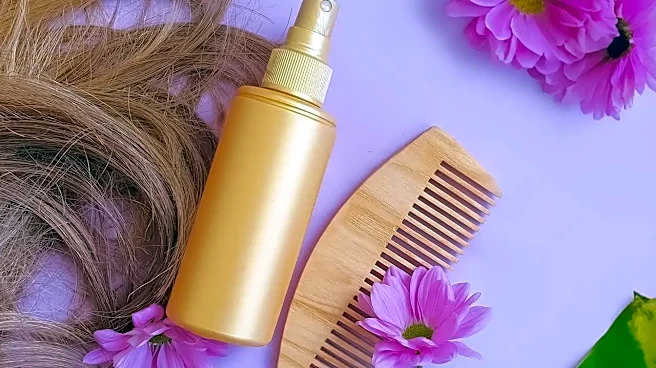
Integrating this step is simple. Start by applying a nourishing scalp oil or a dedicated pre-wash serum to your dry or damp scalp before getting in the shower. Look for products with ingredients like coconut oil, avocado oil, or aloe vera. Part your hair into sections and use your fingertips to gently massage the treatment directly onto the scalp in small, circular motions. This massage not only helps distribute the product but also boosts circulation. Let the treatment sit for at least 10 to 15 minutes to allow it to penetrate and soften buildup. Some experts even suggest leaving oils on overnight for maximum benefit, though this may not be ideal for very oily scalp types.
Making Your Exfoliant More Effective
Once your scalp is primed, you can proceed with your chosen exfoliant. Whether you prefer a physical scrub with particles like sugar or a chemical exfoliant with acids like salicylic or glycolic acid, the priming step will have done the hard work of loosening grime. As a result, you'll need to apply less pressure and the product will work more effectively. For physical scrubs, this means less risk of irritation from harsh friction. For chemical exfoliants, a pre-softened scalp allows the acids to penetrate more evenly and dissolve buildup without having to fight through a top layer of residue. After exfoliating, rinse thoroughly before proceeding with your regular shampoo and conditioner.
Don't Forget the Cool-Down
Just as a pre-treatment is vital, so is post-exfoliation care. After you’ve cleansed and rinsed, your scalp needs moisture and soothing. This is not the time to skip conditioner or a hydrating hair mask. Applying a moisturizing product after you exfoliate and shampoo helps restore the scalp’s natural balance, prevents dryness, and closes the pores, leaving your scalp feeling calm and refreshed. Think of your scalp care routine as a complete cycle: prime to loosen, exfoliate to cleanse, and hydrate to restore. Skipping any part means you're not getting the full benefits.