


Meet Organza: Crisp and Ethereal
Organza is a lightweight, plain-weave fabric known for its crispness and structure. Traditionally woven from silk, it's now commonly found in more affordable and durable synthetic versions like polyester and nylon. The key to organza's character is its stiffness.
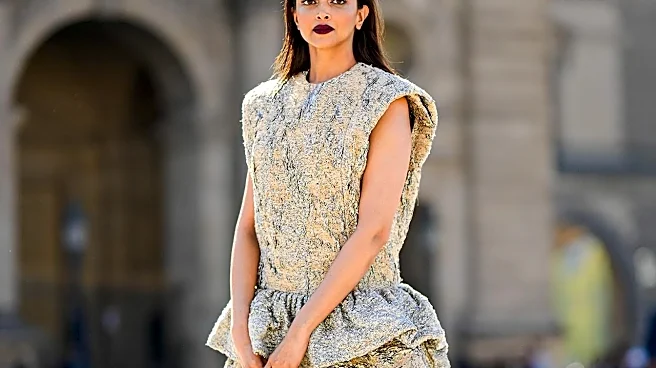
The threads are tightly twisted before weaving, and the finished fabric often has a treatment that gives it a firm 'hand' or feel. This doesn't mean it's heavy; in fact, it's incredibly lightweight. The result is a fabric that can hold its shape, creating volume and architectural silhouettes without adding bulk. Think of the crisp ruffles on a couture gown, a voluminous overskirt on a wedding dress, or structured decorative bows. Organza has a subtle sheen that catches the light beautifully, but it is also quite transparent and can be prone to snagging and fraying.
Understanding Chiffon: Soft and Flowing
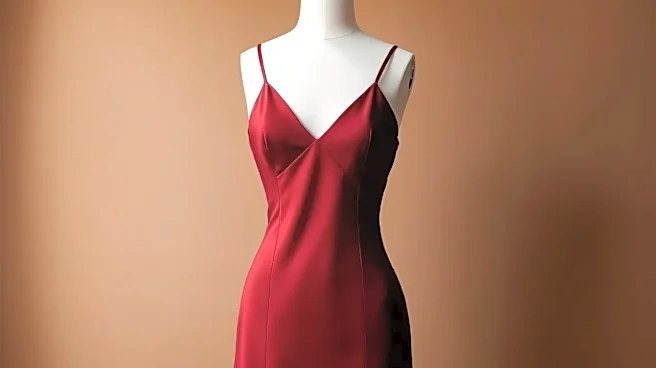
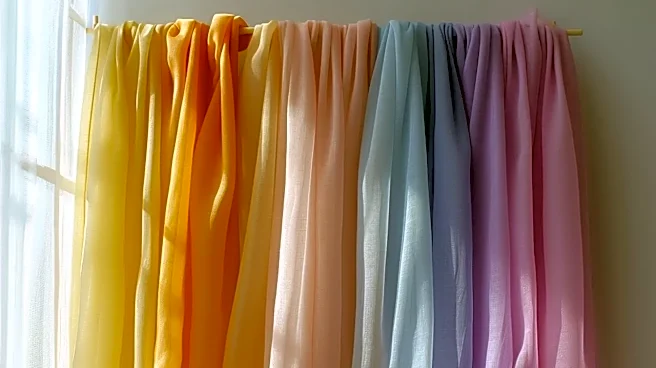
Chiffon is the poet of the fabric world. It’s a lightweight, plain-woven sheer fabric prized for its softness and fluid drape. Like organza, it was originally a silk luxury but is now widely available in polyester, cotton, and rayon. What sets chiffon apart is its creation from highly twisted yarns, often in alternating directions, which gives it a slightly rough, crepe-like texture and a graceful, liquid-like movement. Unlike organza, chiffon has no inherent stiffness. Its personality is defined by flow and flutter. Imagine a scarf that floats on the breeze, the soft overlay on a romantic blouse, or a flowing evening gown that seems to glide with every step. Chiffon has more of a matte finish compared to organza's shimmer and is known for creating soft, elegant lines that follow the body's contours.
The Showdown: Structure Is the Deciding Factor
When it comes to the central question—which fabric holds more structure?—the answer is unequivocally organza. There is no contest here. Organza is specifically chosen by designers for its ability to create and maintain a shape. Its crispness allows it to stand away from the body, building volume and architectural forms like puff sleeves or sculptural ruffles. Chiffon, on the other hand, is chosen for the exact opposite reason: its lack of structure. Chiffon excels at draping softly and creating gentle, flowing movement. If you need a fabric to create a full, defined skirt, you choose organza. If you need a fabric to create a soft, body-skimming dress that moves like water, you choose chiffon.
Drape, Sheerness, and Shine
Beyond structure, the fabrics differ in other key ways. Chiffon's drape is fluid and liquid, while organza's is stiffer and more sculptural. In terms of sheerness, both are transparent, but organza's crisp, open weave can sometimes appear more transparent than chiffon's softer, gauzier texture. When it comes to finish, organza typically has a luminous sheen that reflects light, adding to its formal, polished appearance. Chiffon usually has a softer, more matte finish, contributing to its romantic and ethereal vibe. Because of its slippery nature and tendency to shift, many sewers find chiffon more difficult to work with than the more stable, albeit delicate, organza.
Project Perfect: When to Use Each Fabric
Your choice ultimately depends on the desired effect. Pick Organza for: Structured garments like ball gowns, full skirts, and cocktail dresses. Architectural details such as puff sleeves, dramatic ruffles, and sculptural bows. Crisp overlays on bridal and evening wear that require volume. Decorative uses where shape is important, like formal event drapery or table runners. Pick Chiffon for: Flowing and romantic dresses, blouses, and skirts. Soft, delicate layers and overlays that drape close to the body. Accessories where movement is key, such as scarves and beach cover-ups. Ethereal bridal gowns and veils that require a soft, floating look rather than stiff volume.