







The Power Players Behind the Look
Before a single celebrity steps onto the carpet, a complex dance has already occurred between a host of influential figures. While the star is the face of the final product, they are often the last link in a long chain of decision-making. The true power broker in this world is the celebrity stylist. A-list stylists are not just picking out pretty clothes; they are strategists, negotiators, and gatekeepers. They have deep relationships with luxury fashion houses and serve as the crucial intermediary. Working alongside the stylist is the publicist, who ensures the look aligns with the celebrity’s overall brand, and the brand’s own celebrity relations team, which is constantly scouting for the right faces to represent their products. It’s a triangle
of influence where the stylist connects the brand’s needs (exposure) with the celebrity’s needs (a killer look and, often, a paycheck).
The Anatomy of a Red Carpet Deal
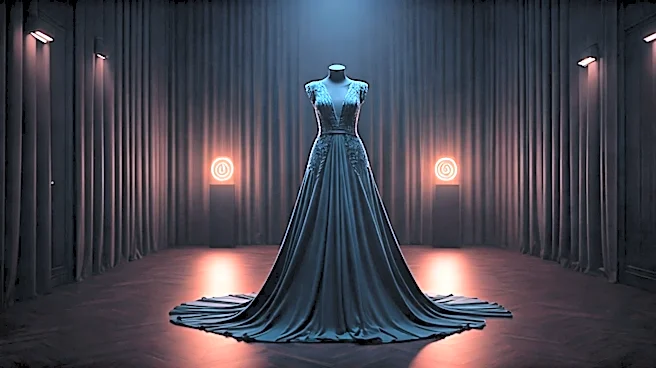
The word “deal” doesn’t always mean a briefcase full of cash. The arrangements are tiered and nuanced. At the most basic level, a brand will simply loan a dress or suit to a celebrity for the night in exchange for a credit—the “Who are you wearing?” moment. This is a win-win: the star gets a high-end look for free, and the designer gets valuable publicity.
But for bigger stars and major events, the stakes are higher. A more formal arrangement might involve a one-off payment, where a brand pays a celebrity a significant fee (anywhere from $50,000 to over $250,000) to wear their design exclusively for that event. The top tier is the full-blown brand ambassadorship. This is a long-term contract where a star like Zendaya for Valentino or Jennifer Lawrence for Dior is paid millions annually. For that price, the brand gets red carpet exclusivity, campaign appearances, and a guarantee that their biggest asset won’t be photographed wearing a competitor.
Calculating the Billion-Impression Payoff
Why would a fashion house spend a quarter-million dollars on a single dress for a single night? The answer is Earned Media Value (EMV). A single, iconic red carpet moment can generate millions of dollars in equivalent advertising value. When a photo of a star in a specific gown goes viral, it’s splashed across hundreds of websites, thousands of social media accounts, and countless TV segments. Each mention, tag, and share is a form of free advertising that money can’t always buy directly. Brands use sophisticated analytics to track every mention and calculate their return on investment. The AMAs red carpet isn't just a photo op; it’s a global content-generation engine. A successful placement can sell out a particular style overnight, boost a brand’s prestige, and embed their name in the cultural conversation for weeks.
The 'Fit' Is More Than Just Fabric
Not every brand is right for every star, and not every event is the same. The Oscars red carpet is the Super Bowl of fashion, often reserved for classic, high-end couture. The Met Gala is about avant-garde statements. The AMAs, with their focus on popular music and a generally younger, more trend-driven audience, represent a different kind of marketplace. It’s a venue where emerging designers can make a splash, where edgier styles are welcome, and where the connection to a musician’s personal brand—be it rebellious, glamorous, or eclectic—is paramount. A brand might choose the AMAs to launch a more daring look or to connect with the massive followings of today's biggest pop, rap, and Latin music stars. The 'fit' isn't just about how the dress looks on the body, but how the brand's image fits with the star's, and how both fit the specific cultural vibe of the event.