


The Capital of Creative Chaos
Among the “Big Four” fashion weeks—New York, Milan, and Paris included—London has always been the rebellious younger sibling. Since its official start in the 1980s, it has built a reputation as the industry’s creative laboratory. While Paris champions
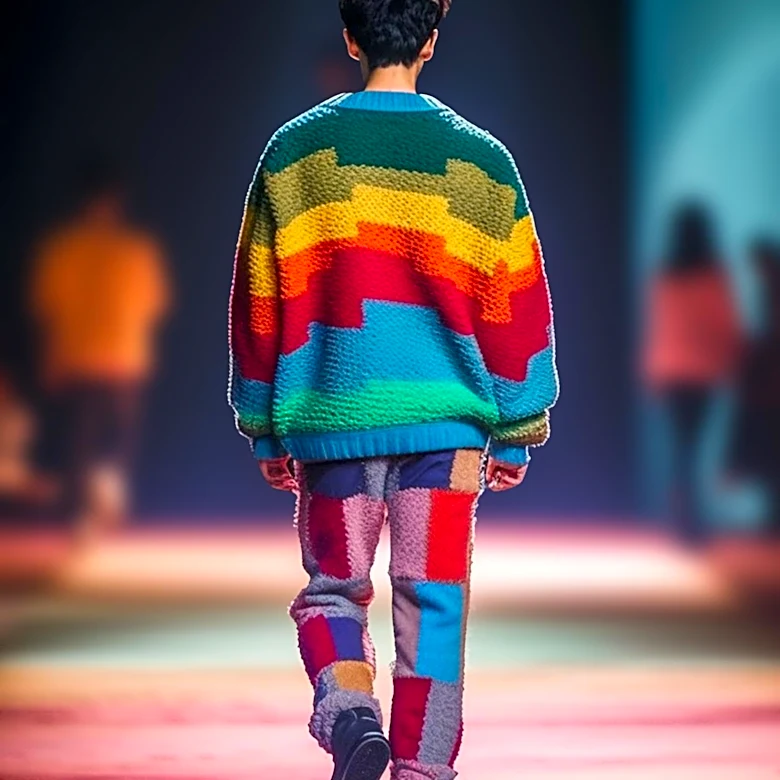
heritage and Milan exudes glamour, London is where raw, experimental ideas are born. The city’s fashion schools and cultural melting pot have consistently produced designers who aren't afraid to challenge convention, from the punk provocations of Vivienne Westwood to the dramatic artistry of Alexander McQueen. This environment encourages designers to prioritize vision over wearability on the runway, presenting concepts that push boundaries and start conversations. The goal isn’t to show you what to wear tomorrow, but to show you where fashion is heading next.
From Runway to Reality: The Translators
The fantastical garments on the catwalk are rarely destined for a department store rack. Instead, they are the first step in a long and fascinating translation process. After the shows, an army of interpreters gets to work. Trend forecasters analyze hundreds of looks to identify recurring themes—a color, a silhouette, a texture. Fashion editors then amplify these trends, telling the public what matters. But the most crucial players are the retail buyers. In private showroom appointments that happen alongside the big shows, buyers decide what will actually sell. They might love the spirit of a wildly impractical gown but order a simplified version: a blouse in the same fabric, a dress with a similar but toned-down silhouette, or a skirt featuring a hint of the original’s avant-garde detail. They are tasked with capturing the essence of the designer's vision in a form that is practical, affordable, and appealing to the everyday shopper.
Decoding Recent Trends
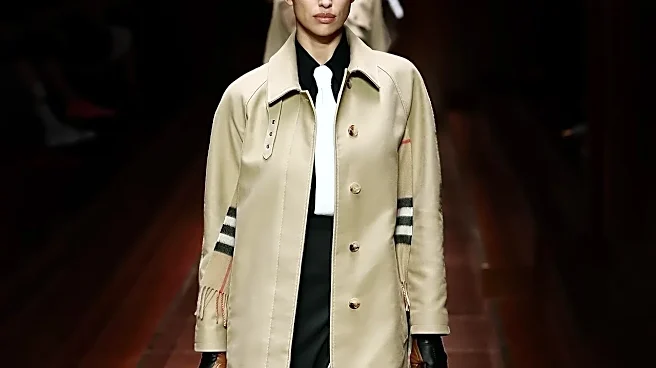
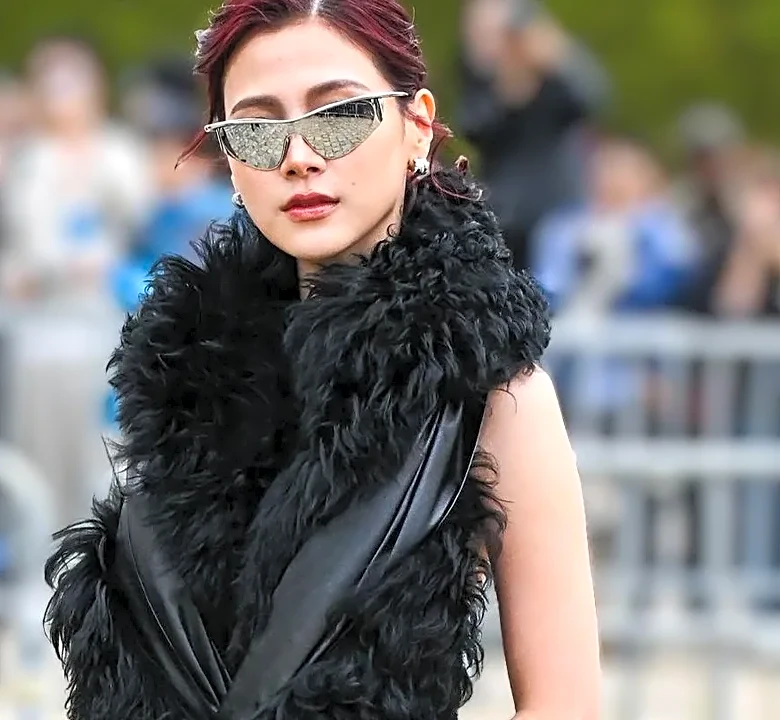
Consider the trends from London's recent Fall/Winter 2026 shows. Designers like Simone Rocha and Erdem showcased dramatic, crinoline-inspired shapes that seemed to belong to a gothic romance novel. You won’t find hoop skirts at your local mall, but you will find their influence in the rise of voluminous midi-skirts and dresses with structured, puffy sleeves. Similarly, Burberry showed off shaggy, patchwork shearling trenches. The translated version appearing in stores is often a classic wool coat with a cozy, detachable shearling collar—capturing the texture and warmth without the runway extremity. A designer’s extreme concept is distilled into a single, digestible element. The drama becomes a detail, the art becomes an accent, and the unwearable becomes an approachable trend that still feels fresh and exciting.
It’s About Art, Not Instruction
Ultimately, it helps to think of a fashion show, particularly in London, as an art exhibition rather than a shopping guide. The most outlandish pieces are often “wow” looks, designed to grab headlines, showcase a designer’s technical skill, and create an unforgettable mood. They are aspirational marketing tools that draw customers into a brand’s world. That excitement might not convince someone to buy a dress made of helium balloons, but it might inspire them to buy the brand’s signature handbag or a more conventional piece from the same collection. The runway is about selling an idea, a feeling, and a brand identity. The clothes you actually buy are the commercial-friendly souvenirs from that creative world.