






The Fine Line Between Style and Spectacle
On any given red carpet, there’s a difference between a person wearing a great outfit and an outfit wearing a person. The former is about personality; the latter is pure costume. 'Personality dressing' is about using fashion to reflect who you are, while
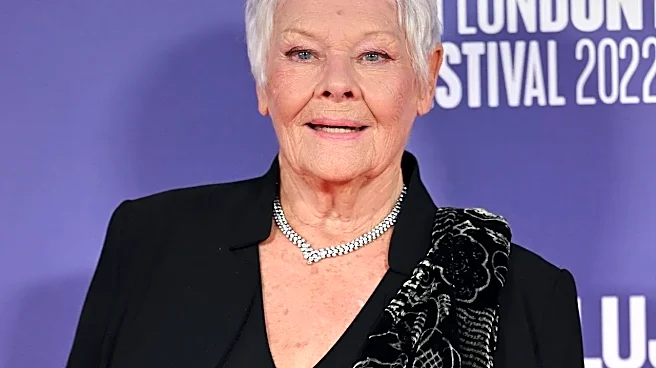
'costume dressing' often feels like an imitation of an identity, a theme worn for an event. A costume shouts, 'I appear as,' while a personal style statement says, 'I am.' Nowhere is this distinction clearer than on the film festival circuit, where actors are often tempted to dress in a way that’s too literal or overwhelming. The recent arrivals at the 2026 BFI London Film Festival showcased both sides of this style coin, proving that the most memorable looks are always the most authentic.
The Power of a Personal Uniform
Take Penélope Cruz, who arrived for the premiere of 'La Bola Negra' not in a sweeping ballgown, but in a striking, archival Ralph Lauren checked suit. The look was sharp, confident, and felt distinctly 'her.' It was a masterclass in personality dressing, showing that red carpet glamour doesn't require a gown. By choosing a tailored suit with retro flair, Cruz communicated a sense of self-possession and individual taste. This wasn’t a costume for a premiere; it was an extension of her own powerful persona. It felt less like a one-night fantasy and more like a peek into a genuinely fascinating woman's closet. The takeaway is clear: having a strong sense of your own aesthetic is more powerful than chasing any trend.
When Boldness Feels Authentic
Dressing with personality doesn't mean you have to be understated. Billie Piper demonstrated this perfectly at the opening gala for 'Elsinore.' She wore a dramatic Emilia Wickstead gown with a bold, painterly floral print. On its own, it was a statement. But Piper elevated it by adding long, black leather opera gloves, injecting a punk-inspired edge into the romantic design. The combination was unexpected and thrilling. A critic might note the makeup was aggressive or the print distracting, but the look was undeniably hers. This wasn't a safe choice; it was a reflection of a creative, slightly rebellious spirit. It worked because it felt like a genuine expression, not a look concocted by a committee to please everyone. It was proof that taking a risk pays off when it’s rooted in who you are.
The Trap of Thematic Dressing
The opposite of this authenticity is the 'costume'—an outfit that feels more like a prop than an expression. This often happens when a star dresses too thematically for their film. Imagine an actress promoting a fairytale epic in a gown so large and frothy that she disappears within it, or an actor in a sci-fi film wearing something that looks like it was pulled from the movie's wardrobe department. While it might seem clever, it often feels hollow. The clothing becomes a barrier, a performance that distances the star from the audience. It's a reminder that the goal isn't just to be looked at, but to be seen. When the clothes overshadow the person, the connection is lost, and the look, no matter how expensive or elaborate, ultimately fails.
Finding Your Own Red Carpet Mentality
While most of us aren't walking a red carpet, the principles remain the same. In an age of fleeting micro-trends and social media pressure, the idea of personality dressing is more relevant than ever. It’s about building a wardrobe that reflects your inner self, not just chasing what's new. It's asking yourself if you feel confident and, more importantly, if you feel like 'you' in what you're wearing. Style is an attitude, a form of self-expression that goes beyond just the clothes themselves. The lesson from the BFI London Film Festival is that the most compelling style statements are rarely about perfection or trend-adherence. They’re about character, confidence, and the courage to let your personality shine through.