





It Starts with a One-Sided Friendship
The core of this phenomenon has a name: a parasocial relationship. Coined by researchers back in the 1950s as television became a household staple, it describes the one-sided bond we form with people we see through media. We feel like we know them, even
though they have no idea we exist. These aren’t just for celebrities; we form these attachments with fictional characters, too. Our brains are wired for social connection, and when we repeatedly see a face, whether in real life or on screen, we can develop feelings of familiarity and intimacy. This illusion of a real, face-to-face relationship is the bedrock of our investment. When a new character enters our lives, we begin a new parasocial interaction that, with each episode, deepens into a relationship.
They’re Engineered for Empathy
That instant connection is no accident; it's by design. Writers and creators are experts at engineering empathy from the very first scene. They often introduce a character by putting them in a relatable, vulnerable, or unjust situation. Think of a character being denied a seat on the bus or getting publicly embarrassed. These moments trigger our own memories and emotions, making us feel for them almost immediately. Furthermore, writers often give new characters clear, understandable goals and compelling, if brief, backstories. We might also see ourselves in them through a process called assumed similarity, where we project our own personality traits onto characters we like, deepening the bond. This identification can be so strong that our brains may use the same neural pathways to think about the character as we do to think about ourselves.
The ‘Fresh Start’ of the Fall Season
The timing of the fall TV season plays a subtle but powerful psychological role. For decades, the television industry has operated on a fall-to-spring schedule, a tradition inherited from early radio. This cycle aligns with other cultural new beginnings, like the start of a school year. As the weather cools and people spend more time indoors, there's a collective turning of attention to new indoor entertainment. This 'fresh start' effect creates a sense of anticipation and openness to new stories and new faces. While the rise of streaming and year-round premieres has diluted the dominance of the traditional fall season, its cultural rhythm persists. It creates a ritual, and rituals are powerful bonding agents, making us more receptive to the new crop of characters vying for our attention.
Accelerated by the Binge Model
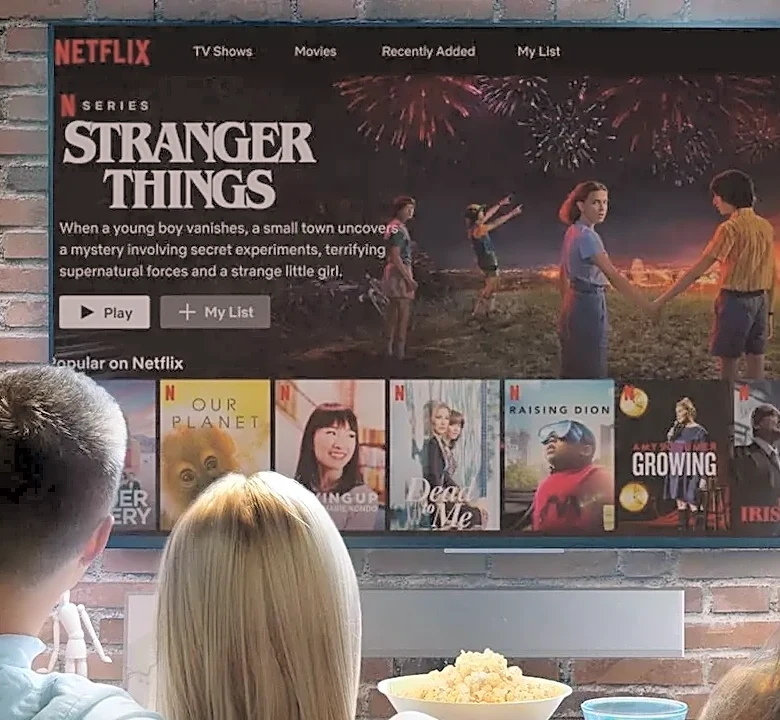
In the era of traditional weekly television, building a relationship with a character was a slow burn. Today, streaming services often release an entire season at once, fundamentally changing the pacing of our viewing habits and our attachments. Instead of spending one hour a week with a new character, we might spend eight hours with them over a single weekend. This concentrated dose of exposure rapidly accelerates the formation of a parasocial bond. The constant presence and casual, intimate tone often adopted by modern shows mimic the way real-world relationships develop through sustained contact. By the time you emerge, bleary-eyed, from a weekend binge, that character no longer feels new. They feel like an old friend you’ve just been through a lot with.