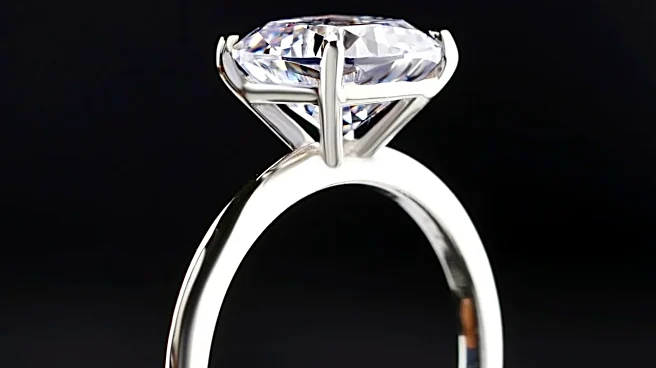








Composition and Color: Natural vs. Coated
The most fundamental difference lies in their very nature. Platinum is a naturally white metal, used in jewelry at a high purity level, typically 95%. Its silvery-white color is its own and will not fade over time. White gold, on the other hand, is an alloy.
It’s made by mixing pure yellow gold with white metals like palladium, silver, or nickel. This mixture gives it a lighter, grayish tone, but to achieve the brilliant, mirror-like shine buyers expect, it's almost always plated with rhodium, a rare metal from the platinum family. This means white gold’s bright white color is a coating, not the metal’s natural state.
The Price Tag Explained: Rarity, Density, and Labor
Platinum almost always costs more than a similar piece made of white gold, and there are three key reasons for this. First, platinum is significantly rarer than gold; estimates suggest about 20 times less platinum is mined annually. Second, it is much denser. An identical ring made in platinum will be noticeably heavier than one in 14k gold, so you are buying more metal by weight. Finally, platinum is more challenging for jewelers to work with, requiring higher temperatures and specialized tools, which increases the labor cost baked into the final price. While gold's market price per ounce is sometimes higher than platinum's, these factors ensure platinum jewelry consistently carries a higher retail premium.
Durability and Wear: The Patina vs. The Scratch
This is where the two metals behave very differently. White gold is harder than platinum, meaning it's more resistant to initial surface scratches from daily wear. However, when white gold is scratched, a microscopic amount of metal is lost. Over many years, this can lead to thinning, especially in delicate areas like prongs. Platinum is softer, so it scratches more easily. But here’s the crucial distinction: when platinum is scratched, the metal is merely displaced, not lost. It moves from one spot to another on the ring's surface. Over time, this creates a unique, soft, grayish finish known as a patina, which many people find beautiful. So, while white gold stays shinier for longer, platinum offers superior long-term durability because it doesn't wear away.
Maintenance and Long-Term Costs
The upkeep for these two metals creates a long-term cost consideration. Because white gold's color comes from a rhodium coating, that plating will eventually wear off, typically every one to three years, depending on your lifestyle. When it does, the slightly yellowish or grayish tint of the underlying gold alloy will start to show through. To restore its bright white shine, the piece must be professionally replated. Platinum, being naturally white, never needs plating. Scratches can be polished out to restore its high shine, or the patina can be left to develop. This makes platinum a lower-maintenance metal over the course of a lifetime.
The Hypoallergenic Factor
For anyone with sensitive skin, this is often the deciding factor. Platinum is naturally hypoallergenic. Its 95% purity means it is extremely unlikely to cause a skin reaction. White gold, however, is frequently alloyed with nickel to achieve its color and strength. Nickel is a very common cause of contact dermatitis, leading to redness and itching for sensitive individuals. While some white gold is made with palladium instead of nickel, it's crucial to ask if you have a known sensitivity. If you want guaranteed comfort without having to worry about alloys, platinum is the safer choice.