


More Than Just a Brow Tattoo
First, let's clear up what ombre powder brows are—and what they aren't. Unlike microblading, which creates individual hair strokes, the powder brow technique uses a specialized machine to deposit tiny dots of pigment into the skin. This method, often
called 'pixelating' or 'shading', builds up color to create a soft, filled-in look that resembles brow powder or pomade. The signature "ombre" effect refers to the gradient of color: the front of the brow (the bulb) is soft and airy, and the pigment gradually becomes more saturated toward the arch and tail. The goal isn't a solid block of color but a dimensional, professionally shaded brow that adds structure and polish to the face.
The Hallmarks of a Perfect Result
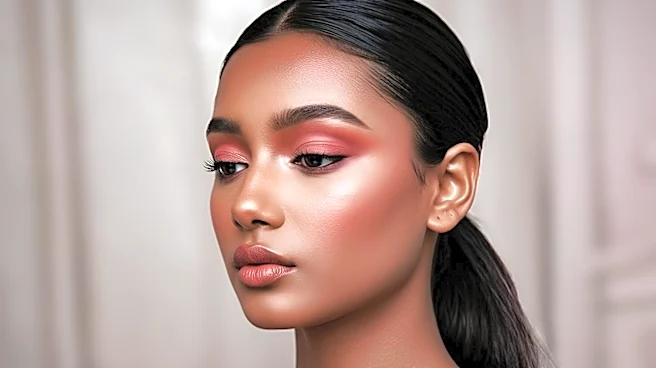
So, what separates a masterpiece from a mistake? A well-done ombre powder brow is all about subtlety and skillful application. The most obvious sign of expert work is a soft, diffused front; there should be no harsh, blocky start. Instead, the color should begin so naturally it’s hard to tell where the tattoo starts and your skin begins. From there, the color should deepen seamlessly into a defined arch and tail. This gradient provides dimension and prevents the brows from looking flat or stamped-on. The bottom line of the brow is typically crisp and defined, while the top edge is softer, which contributes to the powdered makeup look. When you look closely, even in the more saturated areas, you should be able to see the pixelated texture—it’s not a solid wash of ink. Ultimately, the shape should be symmetrical and customized to flatter your unique facial structure.
Trusting the Healing Process
One of the most misunderstood parts of getting powder brows is the healing journey. A great result can look 'wrong' before it looks right. Immediately after the procedure, the brows will appear dark, bold, and much more intense than the final outcome—this is completely normal. Over the next 4 to 10 days, the area will flake or form light scabs. It's crucial not to pick at them, as this can pull out the pigment and lead to patchy results. Following this flaking phase comes the "ghosting" stage, where the brows may look alarmingly light, as if the color has vanished. This happens because a new layer of skin has healed over the pigment. Be patient. Over the next few weeks, the color will slowly bloom back to the surface, settling into its final, softer hue by about the six-week mark. Your healed brows will be about 30-40% lighter than they appeared on day one.
Finding an Artist Who Gets It Right
Achieving beautiful ombre powder brows depends almost entirely on the skill of your artist. When vetting professionals, go beyond their fresh photos. An artist’s true skill is revealed in their portfolio of healed work, which shows the final, settled result months later. Look for consistency across different clients, skin tones, and brow shapes. A reputable artist will conduct a thorough consultation, discussing your goals and mapping out a shape for your approval before starting. They should be able to explain their color theory and why they are choosing a specific pigment for your skin tone. Don't be afraid to ask about their training, how long they've been practicing, and to see reviews on multiple platforms. While it can be tempting to find a deal, quality cosmetic tattooing is an investment in your face—experience and proven results are worth paying for.