








The Underdog's Advantage
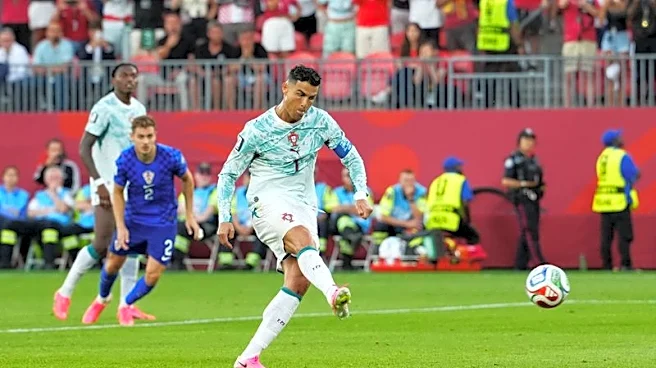
Statistically, the penalty kick is stacked against the goalkeeper. Research shows that kickers convert around 75% to 80% of their chances. The goal is massive, and the distance is short. But this is precisely where the mind games begin. The keeper has
nothing to lose, and everyone expects the striker to score. This lack of pressure is the goalkeeper's first and most crucial weapon. While the kicker carries the weight of a nation on their shoulders, the keeper is free to be a disruptor. Any save is a bonus; a moment of heroism. This dynamic allows them to play with a level of freedom and audacity that the person standing over the ball simply can’t afford.
The Art of Theatrics and Distraction
The master of this dark art is Argentina's Emiliano 'Dibu' Martínez. His antics have become legendary, from dancing after a save to jawing at opponents to even tossing the ball away to delay the kick. The goal is simple: break the kicker’s rhythm and invade their headspace. A penalty taker has a well-practiced routine, and anything that shatters that focus is a win for the keeper. This can involve cleaning their boots, asking the referee a question, or moving from side to side on the goal line. It’s a performance designed to make the lonely walk to the penalty spot feel even longer and to transform a simple kick into a complex mental puzzle. These tactics became so prominent that soccer's rule-makers have even stepped in to limit how much a keeper can interact with or delay a taker.
Planting the Seed of Doubt
Once the kicker's focus is rattled, the next step is to plant a seed of doubt. This is where goalkeepers become part illusionist, part provocateur. Does the keeper point to one side, as if to say, “I know you’re going there”? Do they stand slightly off-center, making one side of the goal look tantalizingly open? Liverpool's Jerzy Dudek famously used wobbly “spaghetti legs” to distract AC Milan’s takers in the 2005 Champions League final. The effect is to make the kicker second-guess their chosen spot. Studies show that players who decide on a location and stick with it have a higher success rate than those who change their mind based on the keeper’s movement. The goalkeeper's dance is an invitation to hesitate, and hesitation from 12 yards out is often fatal.
Data, Deception, and the Ultimate Head Game
In the modern era, mind games have gone high-tech. Goalkeepers and their coaches pore over data, studying the tendencies of every potential penalty taker. They know a striker’s favorite corner, how they run up to the ball, and how they react under pressure. This knowledge fuels the psychological battle. One of the most famous examples of this was Netherlands keeper Tim Krul in the 2014 World Cup. Substituted on just for the shootout, Krul repeatedly told Costa Rican players he knew where they were going to shoot before saving two penalties to win the match. He wasn’t just guessing; he was deploying a calculated strategy. By confronting the kicker with his own data, he forced them off their plan. The mind game isn't just about wild antics; it's about showing the opponent that you’re one step ahead before the ball is even kicked.