




The Ultimate Cosmic Atlas
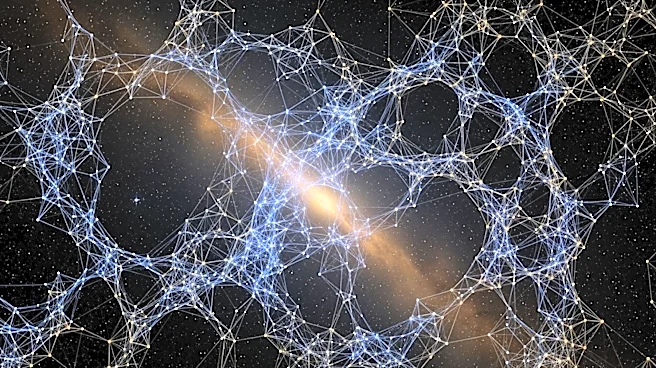
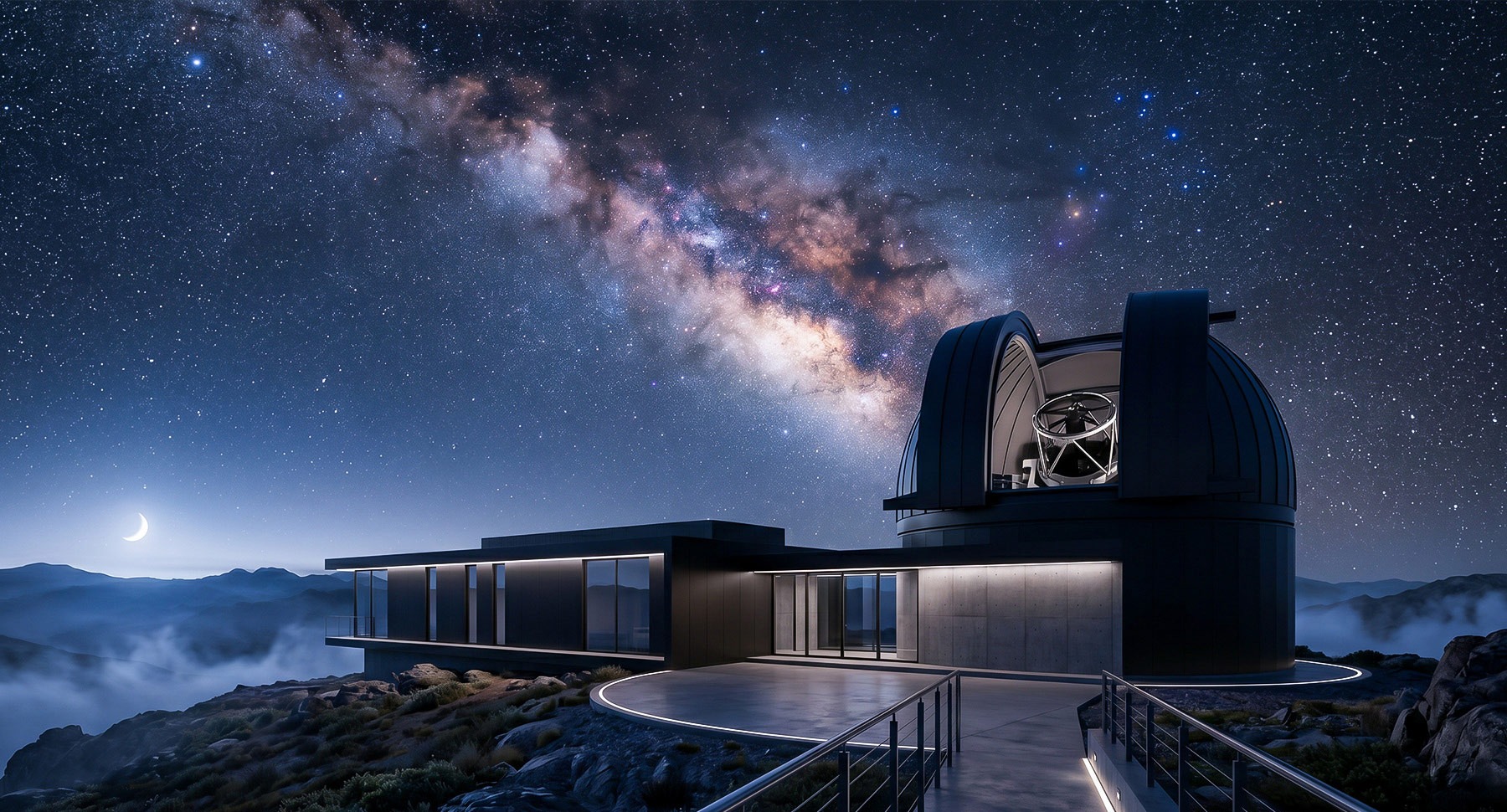
Imagine a map so vast it contains 11 billion years of cosmic history. That’s what scientists with the Dark Energy Spectroscopic Instrument, or DESI, have just unveiled. Stationed atop a mountain in Arizona, the DESI instrument is a technological marvel. It’s a collection of 5,000 robotic fiber-optic “eyes” that can pivot and focus on 5,000 different galaxies at once, capturing their light and location. Over the past few years, it has been systematically staring into the deep universe, creating the largest and most detailed 3D map of the cosmos ever assembled. This isn’t just a pretty picture of the stars; it’s a precise survey of the positions and movements of millions of galaxies, stretching from our cosmic backyard to the universe’s distant
past. The goal is to use this map to measure the history of the universe’s expansion with unprecedented accuracy.
A Universe Ruled by Mystery
To understand why this map is such a big deal, you need to know a little about the standard, and slightly strange, model of our universe. For decades, the prevailing theory has been that after the Big Bang, the universe began expanding. We assumed this expansion would eventually slow down due to gravity. But in the late 1990s, astronomers discovered the opposite was happening: the expansion was speeding up. To explain this, scientists proposed the existence of a mysterious force they called “dark energy.” This invisible energy, they theorized, makes up nearly 70% of the universe and acts as a sort of anti-gravity, pushing everything apart. The simplest explanation was that this dark energy was a “cosmological constant”—a fixed value, unchanging throughout time and space, as first proposed by Einstein. This model, while weird, has worked beautifully to explain most of our observations… until now.
Is the Cosmological Constant Not So Constant?
Here’s where the DESI map starts rewriting the story. By looking at how galaxies are clustered at different points in cosmic history—from 11 billion years ago to the present—DESI can measure the expansion rate at different eras. The first year of data has produced a bombshell of a hint: dark energy might not be constant after all. The new measurements suggest that dark energy could be evolving, weakening or strengthening over cosmic time. This is a radical departure from the standard model. It’s like discovering the force of gravity wasn't the same on Earth a billion years ago as it is today. While the DESI scientists are cautious, stressing that these are early findings that need more data to be confirmed, the results are statistically significant enough to make the entire field of cosmology sit up and pay attention. If dark energy is dynamic, it opens up a whole new realm of physics we don't yet understand.
A New Chapter for the Cosmos
So, what does this actually mean? For one, it could change our predictions about the ultimate fate of the universe. If dark energy is a constant force, the universe would likely expand forever into a cold, dark, and empty state known as the “Big Freeze.” But if dark energy is changing, other possibilities are back on the table. If it’s getting stronger, the expansion could accelerate so violently that it tears apart galaxies, stars, and even atoms in a scenario called the “Big Rip.” If it’s weakening, gravity could one day regain control and pull everything back together in a “Big Crunch.” The DESI map hasn’t given us the final answer, but it has thrown the question wide open again. It proves that there are still fundamental aspects of the universe we have yet to discover.