





The Era of 'Mischief Night'
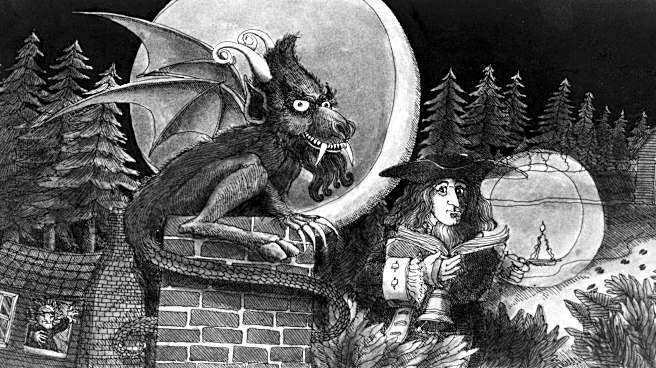
Before it was about candy and costumes, Halloween in America was largely an evening of chaos. Drawing from Irish and Scottish traditions of 'guising' and pranks, the holiday in the late 19th and early 20th centuries was often defined by localized, youthful
mischief. These weren't always innocent tricks; they often escalated into vandalism, with upended outhouses, soaped windows, and property damage becoming common. This era of 'Mischief Night' was so intense that many communities grew desperate for a way to rein in the mayhem. Civic leaders and parents began a push to rebrand the holiday, aiming to transform it from a night of destruction into a more positive, community-focused event for children.
Suburbia Tames the Chaos
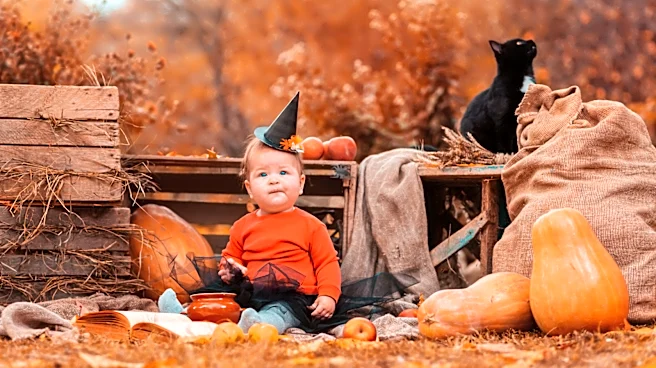
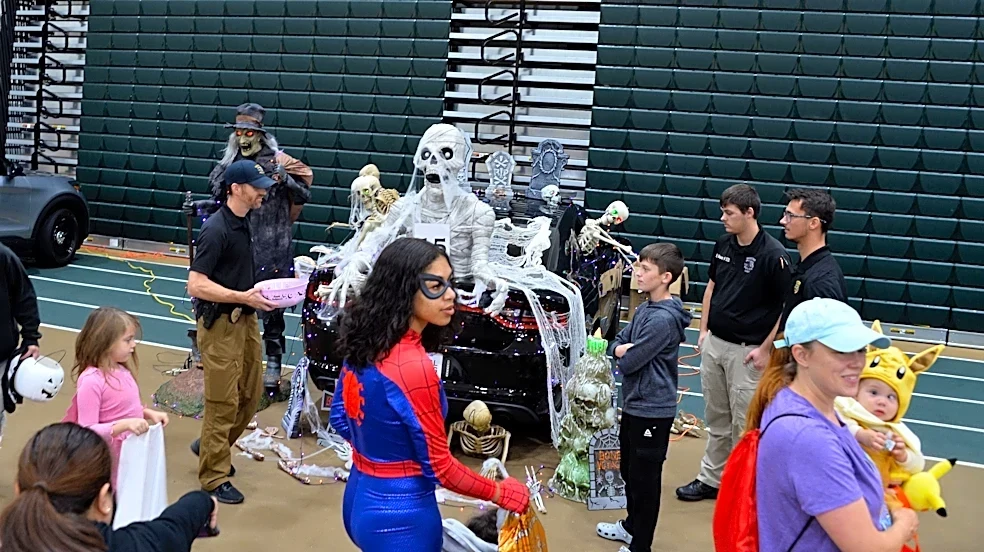
The real turning point arrived after World War II with the baby boom and the explosive growth of American suburbs. Suddenly, society was reoriented around the nuclear family and child-centric activities. This created the perfect environment to domesticate Halloween. Communities began organizing official trick-or-treating events, providing a safe and structured alternative to the pranks of the past. The practice wasn't entirely new, with roots in older customs like 'souling', but it was in the 1950s that it became the central, organized activity for American children. Handing out small treats became an inexpensive way for entire neighborhoods to participate in a shared, controlled celebration, effectively ending the reign of widespread vandalism.
The Sweet Influence of 'Big Candy'
While early trick-or-treaters might have received homemade goods like cookies, fruit, or even coins, the 1950s also saw the rise of a powerful new force: the candy industry. Having already found success with holidays like Christmas and Easter, candy manufacturers saw a massive opportunity in the newly tamed Halloween. They began marketing individually wrapped, mass-produced candies as the perfect handout. This move was a stroke of genius. It was not only convenient for parents but also addressed growing safety concerns over unwrapped, homemade items. By the 1970s, commercially produced candy had become the expected and standard Halloween treat, turning the holiday into a multi-billion dollar engine for the confectionery industry.
Pop Culture Creates a National Holiday
If suburbs provided the structure and candy companies provided the fuel, it was mass media that created the national aesthetic of modern Halloween. From the 1920s onward, mass-produced costumes and decorations began turning a folk tradition into a standardized event. But it was film and television that truly cemented a shared vision. Washington Irving's 'The Legend of Sleepy Hollow' was one of the first distinctly American ghost stories to center the holiday. Later, TV specials and movies created a common visual language for Halloween that transcended regional differences. This media saturation, combined with aggressive retail marketing, completed the transformation. Halloween was no longer just a collection of local events; it had become a blockbuster 'nationwide opening,' a shared cultural experience promoted, packaged, and sold from coast to coast.