


In 1978, a tiny independent horror film shot on a shoestring budget terrified audiences and changed cinema. Nearly five decades and over $800 million later, 'Halloween' isn't just a movie; it's an institution. How did it get here?
The Game-Changing Original
John Carpenter’s 1978
'Halloween' was a masterclass in minimalist terror. Made for around $300,000, it was a lean, brutally effective film built on atmosphere rather than gore. The budget was so tight that the crew used a modified William Shatner mask for its villain, Michael Myers, and star Jamie Lee Curtis reportedly bought her own wardrobe for under $100. Carpenter even composed the iconic piano score himself to save money. The film, independently financed by producer Moustapha Akkad, wasn't expected to be a blockbuster. But its slow-burn release, built on word-of-mouth, saw it explode into a cultural phenomenon, eventually grossing around $70 million worldwide and becoming one of the most profitable independent films ever made. It didn't just make money; it solidified the template for the slasher genre that would dominate the 1980s.
The Messy Middle Years
Success breeds sequels, and 'Halloween' was no exception. 'Halloween II' (1981) picked up moments after the original and introduced a franchise-altering twist: Laurie Strode was Michael's sister. It was a profitable but less-acclaimed follow-up. An attempt to turn the series into an anthology with 1982’s Michael-less 'Halloween III: Season of the Witch' failed with audiences at the time, confirming they wanted The Shape, not stories. What followed was a confusing and often contradictory series of sequels through the late 80s and 90s. This era introduced Laurie’s daughter, Jamie Lloyd, and a bizarre subplot involving a druidic cult controlling Michael. While producer Moustapha Akkad steadfastly kept the series alive, box office returns dwindled, hitting a low with 'Halloween 5' and the convoluted 'The Curse of Michael Myers'.
The First Reboot and a False Start
By the late 90s, the franchise needed a jolt. It got one with 'Halloween H20: 20 Years Later' (1998), which smartly ignored the messy cult storyline and brought back Jamie Lee Curtis as Laurie Strode. It functioned as a direct sequel to the first two films and was a box office success, proving the power of the core Laurie vs. Michael story. That momentum was immediately squandered by 2002's 'Halloween: Resurrection,' which killed off its iconic hero in the opening minutes. Then came another reset: director Rob Zombie’s 2007 remake. His version offered a gritty, brutal origin for Michael but divided fans with its psychological deep-dive, and its 2009 sequel saw diminished returns. The franchise, once again, went dormant.
The Blumhouse Resurrection
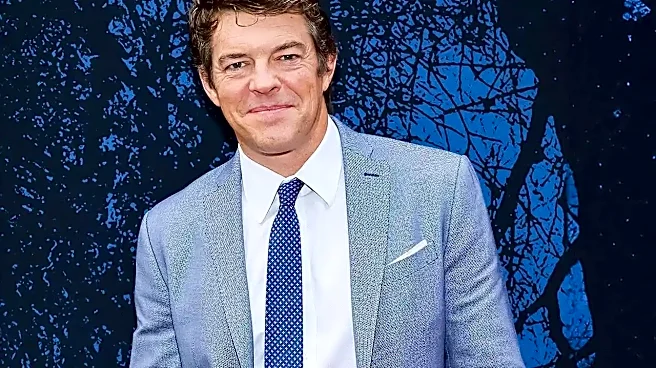
After nearly a decade of silence, Michael Myers returned in a big way. In 2018, director David Gordon Green and producer Jason Blum’s Blumhouse Productions released 'Halloween,' a film that took the boldest step yet: it erased every single sequel, serving as a direct follow-up to the 1978 original. There was no sibling connection, just a terrifyingly random home invasion from 40 years prior and the traumatized survivor who had been preparing for its return. With Jamie Lee Curtis back as a hardened, determined Laurie and John Carpenter returning to consult and compose music, the film was a massive critical and commercial hit. It grossed over $255 million worldwide on just a $10 million budget, reviving the franchise for a new generation and becoming the highest-grossing slasher film of all time. The success spawned two more sequels, 'Halloween Kills' and 'Halloween Ends,' cementing a new, definitive timeline and proving the formula's durability.