

An Island of New Realities
For more than a decade, the most prestigious film festival in the world has dedicated a unique, quarantined space to the future of storytelling. Venice Immersive, the Extended Reality (XR) arm of the festival, takes place on the historic island of Lazzaretto
Vecchio. Once a 15th-century plague quarantine station, the island is now reactivated for two weeks a year as a haven for virtual, augmented, and mixed reality projects. Celebrating its 10th anniversary in 2026, the section has evolved from a niche experiment into a core part of the festival's identity, showcasing dozens of works from around the globe. It’s a deliberate move, physically and philosophically separating these new media from the traditional Lido cinemas to give them their own stage to shine.
What Does a 'Movie' Look Like Here?
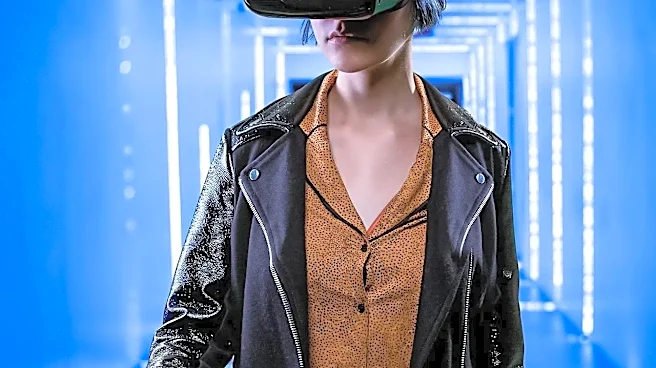
The works on display at Venice Immersive defy easy categorization, pushing far beyond passive viewing. The 2026 lineup, for instance, includes a breathtaking range of experiences. In one, you can explore the Galápagos islands in stunning 16K 3D, guided by the voice of Margot Robbie. In another, you join nine other people around a physical table, wearing Apple Vision Pro headsets for 'Empire At Sea,' an interactive augmented-reality drama about climate scientists on a remote oil rig. Viewers can physically walk around the table as holographic actors play out a story influenced by audience participation. Other projects invite you into the forgotten world of a Norwegian textile artist ('Finding Frida') or plunge you into the depths of the ocean as an escaping submariner ('ULRICA'). The common thread isn't genre or style, but the use of technology to place the viewer directly inside the narrative.
A New Language for Storytelling
Filmmakers and artists flock to Venice Immersive not just for the novelty, but because the medium allows them to tell stories in ways a flat screen cannot. Peter Flaherty, director of 'Empire At Sea,' notes that climate science has a "communication problem," and hopes his immersive drama can make the data's urgency feel less abstract and more human. Other creators speak of using the technology to forge a deeper bond with the audience. The director of 'Finding Frida' aims to create a "sense of presence, intimacy, and connection" that stays with viewers long after they remove the headset. The technology enables a fundamental shift in the audience's role. You are no longer just a spectator; you are a participant, an explorer, and sometimes even a character whose choices can alter the narrative. This focus on presence and agency is crafting a new grammar for storytelling.
From Tech Demo to High Art
Perhaps the most significant aspect of Venice Immersive is the validation it provides. When one of the oldest and most revered film festivals carves out a prominent, competitive section for XR, the world takes notice. According to its co-curators, Liz Rosenthal and Michel Reilhac, the medium has matured significantly, moving past technical showmanship to focus on sophisticated, interactive storytelling. By consistently championing high-quality immersive art, Venice has helped build a global community of creators and demonstrated that XR is not a gimmick or a threat to cinema, but a powerful and pluralistic new art form. It suggests that the future of the moving image isn't confined to a single frame but is expanding in all directions.