





The Wall Is a Living Organism
The most obvious element is the line of defensive players, the wall, standing 10 yards from the ball. But it's more than just a human barrier. The goalkeeper is the architect, frantically shouting instructions to position it. The goal is to cover one
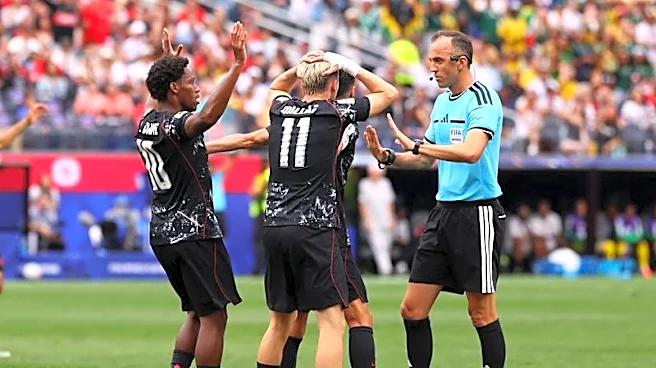
side of the net, allowing the keeper to focus on the other. Watch the players in the wall; their hands are clasped behind their backs to avoid a costly handball foul. They might be tall to block a high shot or simply brave enough to stand in the way. They're also likely creeping forward, trying to shrink the 10-yard gap millimeter by millimeter, a subtle act of gamesmanship the referee constantly has to police.
The Player Lying Down Isn't Tired
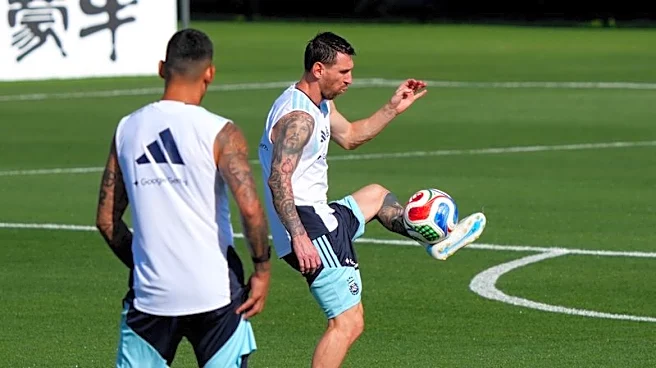
In the last decade, a new role has appeared: the “drafter” or “crocodile,” a player who lies on the ground behind the wall. This isn't for a quick nap. It's a direct response to crafty players like Lionel Messi and Ronaldinho, who perfected the art of shooting *under* a jumping wall. As the wall leaps in unison to block a high shot, a well-placed grounder could sneak right through. The player on the turf is there to eliminate that possibility, a simple but brilliant tactical adjustment that has become standard in the modern game. Spotting this player tells you the defending team is aware of the kicker’s full range of tricks.
Watch the Kicker's Support Staff
Often, it’s not just one player standing over the ball. You might see two or even three. This is pure deception. Is the right-footed player taking it, or the left-footed one? Will one run over the ball as a decoy while another shoots? Or will they execute a surprise short pass to a third player running into space? These extra players exist to create uncertainty, forcing the wall and goalkeeper to hesitate for a split second. A new rule introduced in 2019 prevents attacking players from embedding themselves in the defensive wall to cause chaos, so now they create confusion from around the ball instead.
The Goalkeeper's Gamble
The keeper isn't just a spectator. After setting the wall, they have to make a crucial decision. They position themselves to cover the part of the goal the wall doesn't protect, but they're also reading the kicker's body language and reputation. They’re calculating the odds: Is this a player known for power or for bending the ball? The keeper’s position reveals their bet. If they're shaded slightly more to one side, they are baiting the shooter to aim for a specific spot. Their view is often partially blocked by the wall itself, a necessary evil of the setup, meaning they have to rely on anticipation as much as reaction.
The Lurkers in the Box
Don't just watch the ball and the wall. Scan the penalty area for other attacking players. Not every direct free kick is a shot on goal. Many are designed as crosses, lofted into a dangerous area for teammates to head the ball. You'll see attackers jostling with defenders, trying to time their runs to meet the ball as it arrives. Some are there to attack the ball directly, while others are decoys, pulling defenders away from the real target area. These complex, pre-planned routines can turn a seemingly average free kick into a high-percentage scoring chance.