




Our Brains on Scarcity
At its core, this phenomenon is about tapping into a powerful psychological trigger: the scarcity principle. When something is perceived as limited, our brains automatically assign it a higher value. This cognitive shortcut makes us believe that if something is hard
to get, it must be better. It’s the engine behind the fear of missing out, or FOMO, an anxiety that we might regret not seizing a fleeting opportunity. Marketers know this well. Whether it’s a “limited edition” sneaker or a flash sale, the goal is to create a sense of urgency that short-circuits our normal, more deliberate decision-making process. The message is clear: act now or lose your chance forever. This isn't just about tricking people; it's about framing an experience as a unique, can't-miss moment.
The Limited Release Playbook
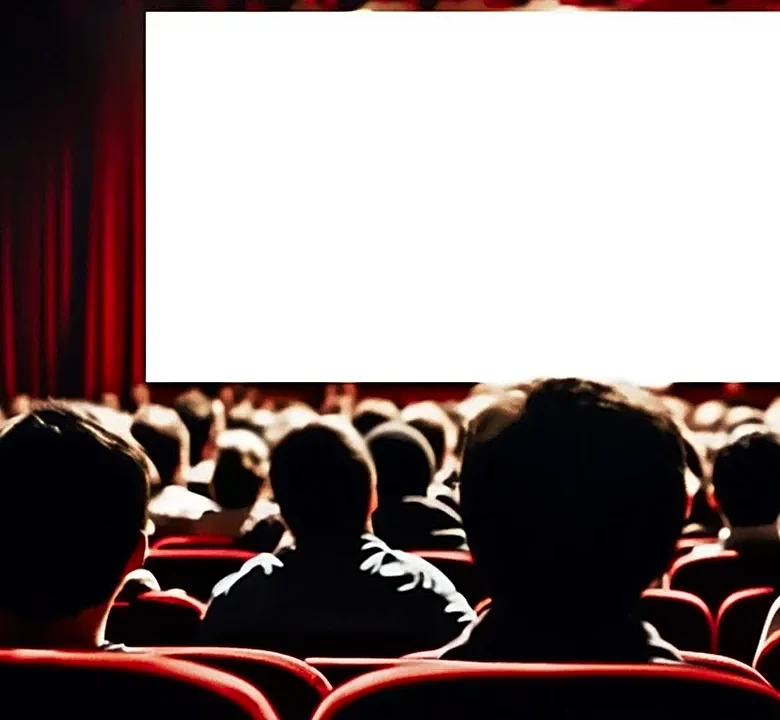
In Hollywood, this strategy is known as a limited theatrical release. Instead of opening a film on 4,000 screens nationwide, a distributor will place it in a handful of theaters in major cities like New York and Los Angeles. The goal is to create a concentrated pocket of buzz. If the film sells out in those select theaters, it generates glowing headlines about its performance and fuels powerful word-of-mouth. This approach, sometimes called a platform release, allows a smaller film to build momentum organically. It’s a way to test the waters and let audience enthusiasm, rather than a massive marketing budget, carry the film into wider release. Successful limited runs can convince other theaters to book the film and signal to the public that this is something worth seeking out.
Why Horror Is the Perfect Genre
Scarcity marketing is particularly effective for horror. Unlike other genres, horror thrives on a communal experience—the gasps, the screams, the shared adrenaline rush. A limited release transforms a screening from a passive viewing into a live event. It feels more like a dare, an exclusive club for those brave enough to attend. Horror fans are a dedicated bunch, often eager to be the first to discover the next big thing. A limited run caters directly to this desire, making audiences feel like they are in on a secret before it goes mainstream. This was the case with modern classics like It Follows, which used a successful limited release to build immense buzz before expanding nationwide. The strategy is also perfect for found-footage films like The Blair Witch Project or Paranormal Activity, where a raw, seemingly non-commercial feel adds to the authenticity and terror.
From Niche Screening to Cultural Moment
The ultimate goal of a limited release is to make a film feel bigger than its budget. By restricting access, studios and distributors create a narrative of demand that can become a self-fulfilling prophecy. One-night-only events or special screenings, like the kind often seen in October, amplify this effect. They aren't just selling a movie ticket; they're selling an experience, a story you can tell your friends, and a spot in a cultural conversation. While a wide release for a blockbuster is about being everywhere at once, the scarcity model is about being somewhere special, for a short time. This calculated unavailability makes audiences work a little harder, invest a little more, and ultimately feel like they’ve participated in something memorable, not just consumed another piece of content.