






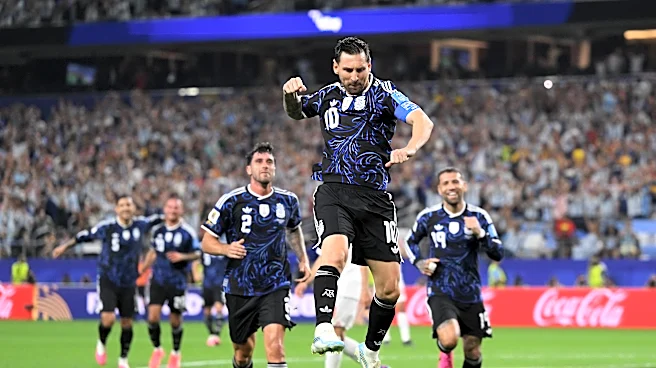


The Universal Rules of the Game
Part of soccer’s magic is its elegant simplicity. Unlike sports heavy with complex rules, the core of soccer is universally understood: get the ball in the other team's net. All you need is a ball. This accessibility means that whether you're in a hyper-modern
stadium or a dusty village field, the fundamental passions are the same. A brilliant goal, a breathtaking save, a frustrating foul—these moments require no translation. They are visceral, instantly recognized, and shared by billions, forming the basic grammar of this global language. It's a sport that every corner of the world can not only watch but also play and immediately understand.
A Common Emotional Calendar
For one month, the world operates on a shared schedule. Productivity may dip, but global social connection skyrockets. The tournament creates a collective consciousness, where entire nations experience the same emotional highs and lows simultaneously. When a last-minute goal is scored, the collective gasp of a nation is echoed by cheers and groans across continents. This shared emotional journey, synchronized across time zones, fosters a profound sense of solidarity. The tournament becomes a global appointment, a reason to gather, and a communal experience that makes the world feel a little smaller and more connected.
Wearing Your Allegiance
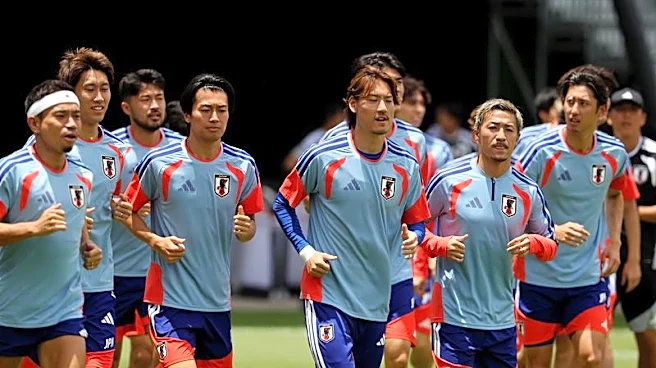
The language of World Cup fandom isn't just spoken; it's worn. The simple act of putting on a national team’s jersey is a powerful statement of identity and belonging. In host cities, streets become a vibrant, moving tapestry of colors as fans from dozens of countries mingle, their jerseys acting as instant conversation starters. A German flag painted on a cheek in Miami, a Brazilian scarf worn in Tokyo—these are visual cues that transcend spoken language, creating an immediate, unspoken bond between strangers who, for 90 minutes, feel like teammates.
The Great Melting Pot of Fan Zones
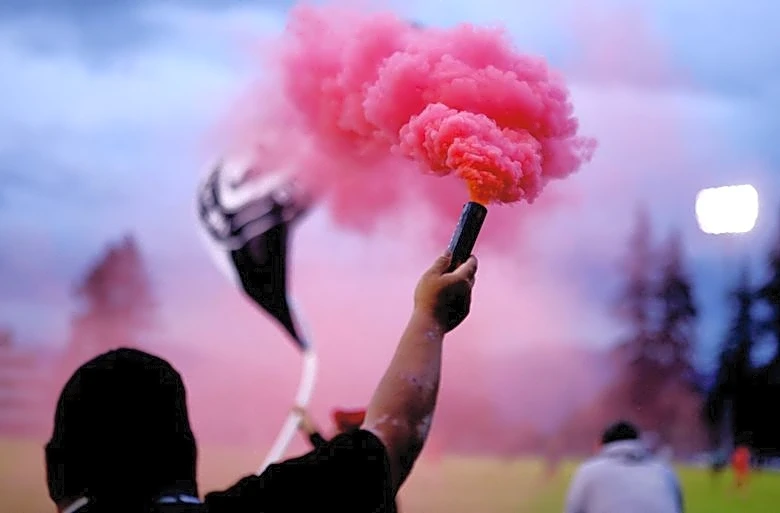
Modern fandom is centralized in fan zones, massive public viewing areas that have become a hallmark of the World Cup experience. These spaces, popping up in host cities like New York, Seattle, and Miami for the 2026 tournament, are designed as cultural melting pots. Here, supporters from rival nations stand side-by-side, sharing food, music, and the drama of the match on giant screens. Language barriers often dissolve in the festival atmosphere, replaced by gestures, shared songs, and the universal cheer of a goal. These zones are where the theory of global unity becomes a visible, noisy, and joyous reality.
A Different Kind of Diplomacy
On a deeper level, the World Cup often functions as a unique form of citizen diplomacy. For a month, intense national pride is channeled into sport rather than conflict. While rivalries are fierce, they are contained within the lines of the field, and remarkable moments of unity often emerge. Fans traveling to host countries discover new cultures, breaking down stereotypes through everyday interactions over a meal or on public transit. As seen in the current North American-hosted tournament, international visitors relish discovering local quirks, and residents enjoy a politics-free cultural exchange, reminding everyone of a shared humanity that headlines often obscure.