




Clothing swaps promise a free wardrobe refresh and a fun community event. Yet, many end with you heading home with a random assortment of items that never quite fit into your closet. The solution? Shifting from swapping single items to outfits.
The Familiar Swap-And-Sigh Scenario
We’ve all
been there. You arrive at a clothing swap, full of hope, armed with a bag of your best cast-offs—garments that are perfectly good, just no longer 'you'. You add them to a mountain of clothes on a bed or table and begin the hunt. An hour later, you leave with a quirky top that doesn't go with any pants you own, a pair of shoes a half-size too small, and a dress you took just because it was free. This is the classic swap dilemma: a room full of individual items often leads to a collection of wardrobe orphans. The issue isn't the clothes themselves, but the lack of context. A single blouse or a lonely skirt requires vision and effort to be integrated into a wardrobe, and amidst the fun, social chaos of a swap, that can be a tall order. The result is often a 'wardrobe refresh' that ends up back in a donation pile a few months later.
The Game-Changer: Thinking in Outfits
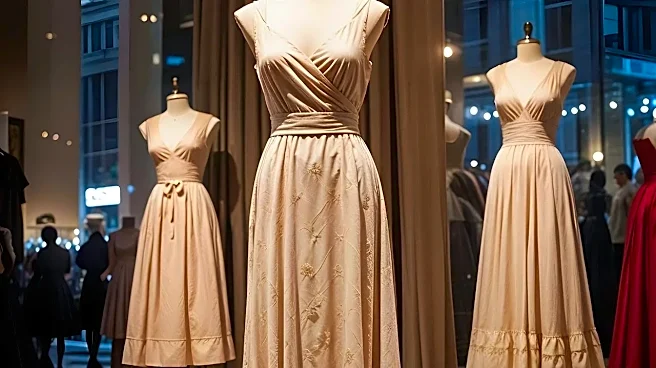
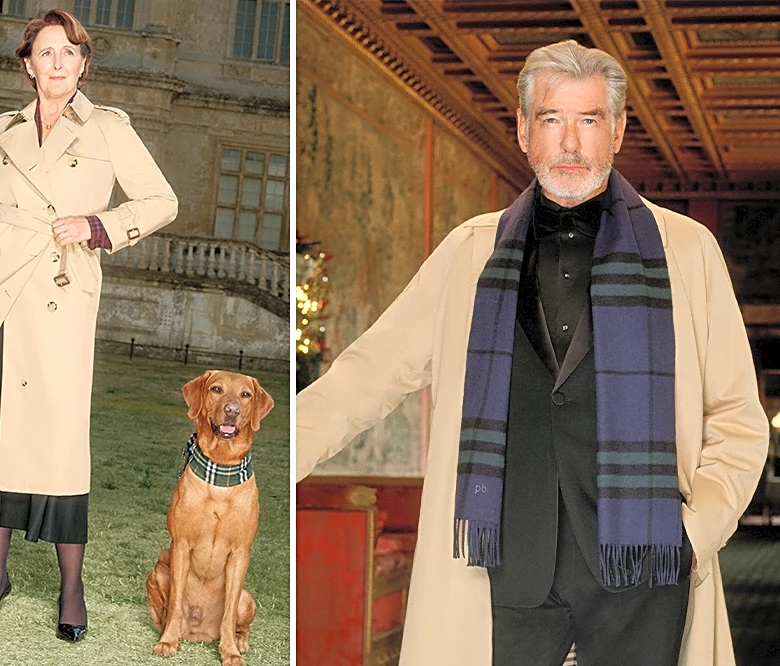
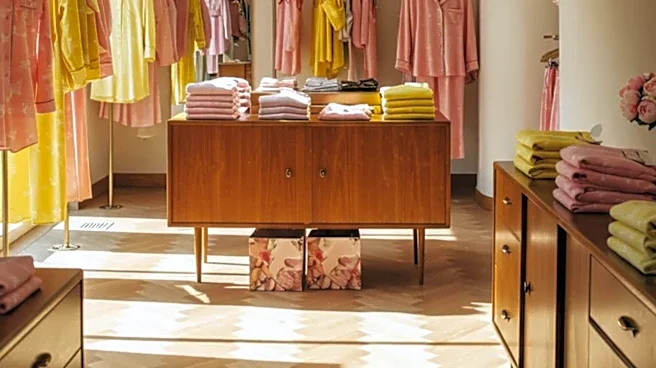
Imagine a different kind of swap. Instead of bringing a bag of disparate items, each guest is asked to bring three to five complete, styled outfits. This doesn't mean the pieces must be a designer set. It means curating a look from your own closet: a top paired with a skirt, a complementary accessory, and maybe even a note suggesting the perfect shoe. A dress might be paired with a belt or a jacket you're also ready to part with. The focus shifts from 'getting rid of stuff' to 'gifting a look'. This simple change encourages a mindset of curation over chaos. You're not just offering a garment; you're offering inspiration. Suddenly, that pile of clothes transforms into a boutique of pre-styled, ready-to-wear ideas, making it infinitely easier for others to see the potential in your pre-loved pieces.
Why Curation Elevates the Experience
The benefits of an 'outfit swap' are immediate. First, the quality of items naturally improves. When asked to create an outfit, people are less likely to bring stained, worn-out, or ill-fitting garments. It encourages participants to only bring pieces they once genuinely loved and that still have life in them. Second, it solves the 'how would I even wear this?' problem. Seeing a top already paired with a complementary bottom or accessory removes the guesswork. It helps attendees visualize the clothing in their own life, not just as a hanger-filler. Finally, it promotes more mindful 'shopping'. Instead of grabbing items impulsively, attendees can consider if a whole look fits their personal style, leading to more satisfying and long-lasting additions to their wardrobe.
How to Host a Successful 'Outfit Swap'
Organizing an outfit_centric swap is simple. When you send out invitations, be clear about the new format. Ask each guest to bring a set number of complete outfits (3 to 5 is a manageable number) that are clean and in good condition. Suggest they hang the pieces of an outfit together or bundle them neatly. At the event, create distinct stations using clothing racks or tables to display the outfits. This allows guests to browse the looks as they would in a shop. To keep things fair, you can use a ticket system: one outfit brought earns one ticket to claim a new outfit. Having a designated try_on area with a full_length mirror is also essential for success. The goal is to make the experience feel less like a rummage sale and more like a private styling party with friends.
Beyond the Swap: Building a Better Wardrobe
Adopting an outfit_based approach to swapping does more than just make for a better party. It subtly retrains our brains to think about our wardrobes more holistically. It encourages us to identify the looks that truly define our style and to let go of the rest. This mindset can extend to future shopping habits, helping us purchase new items with a clearer vision of how they will function as part of a complete look, rather than as another isolated piece. By focusing on creating and swapping cohesive outfits, we not only reduce clothing waste but also become more intentional curators of our own personal style. It's a small change that can lead to more sustainable, functional, and joyful relationship with the clothes we wear every day.