



An Un-Googleable Experience
First, you have to understand the setting. Black Rock City, the temporary metropolis where Burning Man takes place, is both meticulously planned and intentionally confusing. Its residential area is laid out as a giant semi-circle, with concentric streets
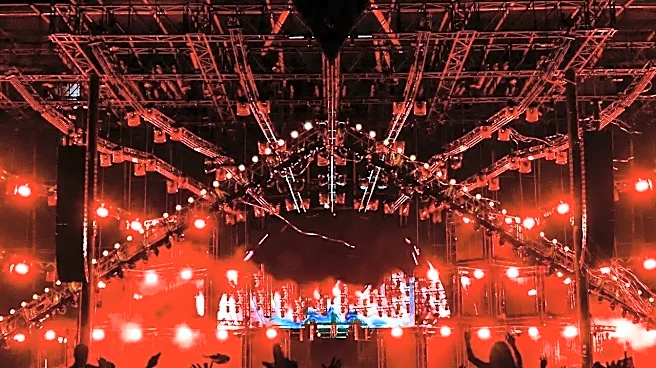
given thematic names each year and radial streets marked like a clock face. This gives you a basic sense of order. But there’s a catch: cell service is virtually nonexistent, the desert floor is vast and disorienting, and at night, the landscape becomes an overwhelming sea of blinking lights and booming sound systems. After dark or during a dust storm, that logical grid can feel utterly useless. This design choice is a direct challenge to our modern reliance on technology for navigation. You can’t just drop a pin or look up directions. This forces you into a state of “Immediacy,” one of the event’s Ten Principles, demanding that you engage with the world directly in front of you rather than through a screen.
Engineered for Serendipity
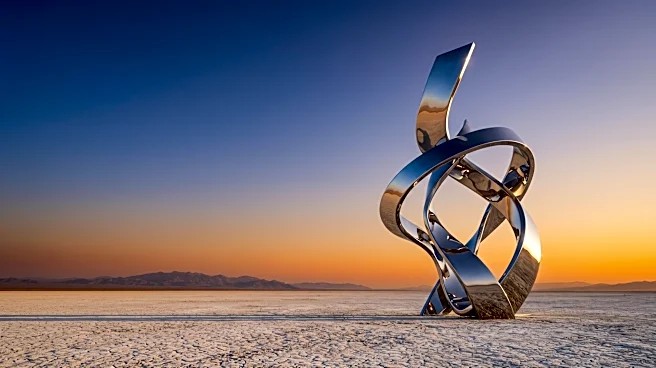
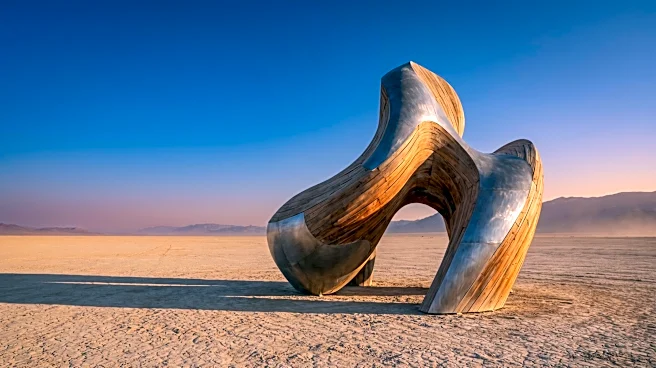
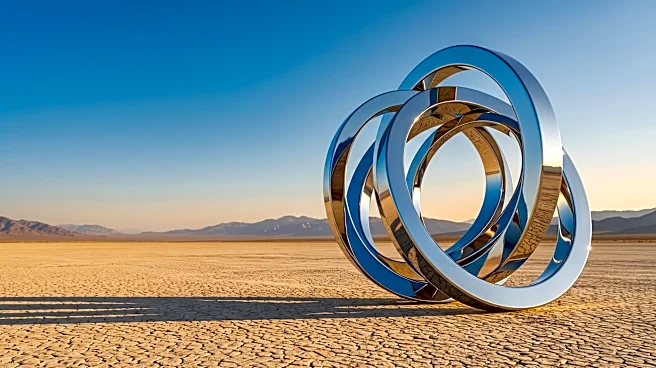
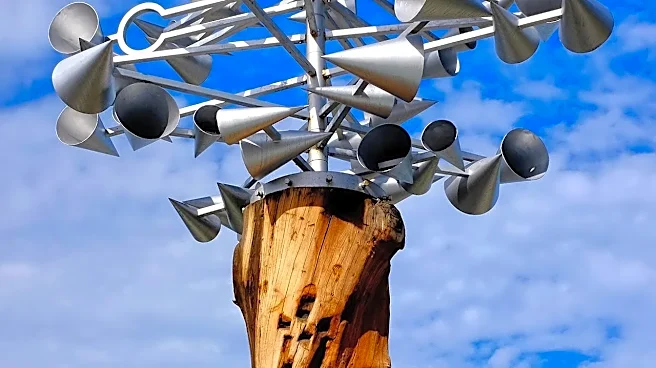
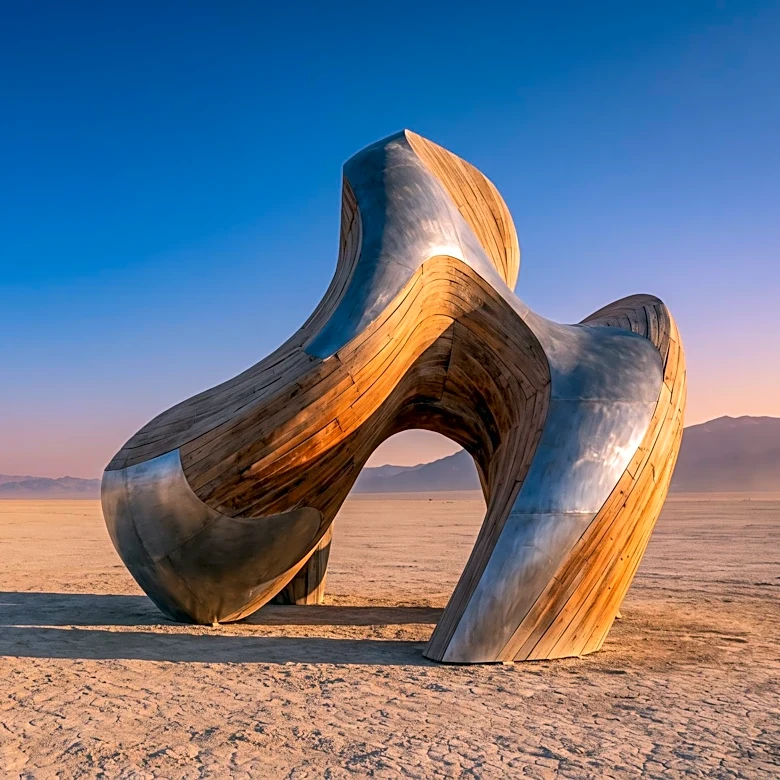
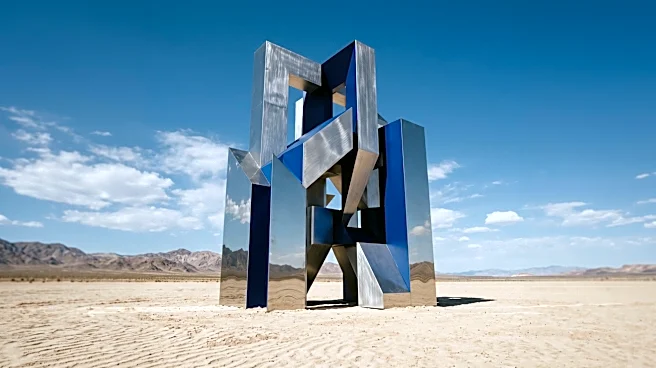
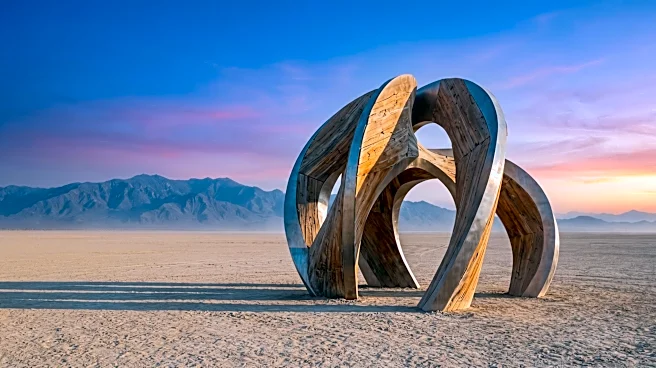
This is where getting “lost” becomes “delightful.” When you abandon the idea of a fixed destination, you open yourself up to serendipity. The entire event is engineered to produce pleasant surprises, which neuroscientists say have a significant impact on happiness. You might set out for a specific sound camp but get sidetracked by a 40-foot-tall metal octopus that breathes fire, a mutant vehicle shaped like a shark, or a tiny, pop-up tea house offering a moment of quiet. These aren’t just random occurrences; they are the very point of the experience. By making it difficult to follow a rigid plan, the environment encourages you to wander and stumble upon things you never could have planned to see. This unstructured exploration creates a narrative of personal discovery, where every wrong turn leads to a new, unexpected adventure. The joy isn't in arriving at your destination, but in the surprising journey you take to get somewhere you didn't even know existed.
Finding Yourself Through Self-Reliance
Getting lost also serves another one of Burning Man’s core tenets: “Radical Self-reliance.” The initial anxiety of being disoriented in the desert forces you to tap into your own inner resources. You learn to read the landscape, using the central Man sculpture as a landmark or memorizing the unique art near your camp. When that fails, you have to engage with the community, another principle called “Communal Effort.” You ask for directions, share a drink with a stranger who points the way, or accept a ride on an art car. This builds a unique form of low-stakes resilience. You learn that being lost isn't a crisis but an opportunity to be resourceful and to trust both yourself and the strangers around you. This act of navigating the chaos and realizing you can handle it is a powerful confidence boost, a key part of the psychological reward that keeps people coming back.
The Psychology of Adult Play
Ultimately, getting lost at Burning Man is a form of adult play, something developmental psychologists note is crucial for creativity and social bonding. Our daily lives are often so structured and optimized for efficiency that we lose our capacity for unstructured, aimless fun. The desert provides a massive playground where the normal rules don’t apply. Wandering without a goal is a way of rebelling against the hyper-scheduled “default world.” It taps into a primal sense of exploration that many of us haven’t felt since childhood. The awe you feel when stumbling upon a massive, unexpected art installation isn't just a fleeting feeling; it’s a powerful psychological experience that can foster connection and a sense of being part of something larger than yourself. That feeling is the core of Burning Man’s unique brand of entertainment.