

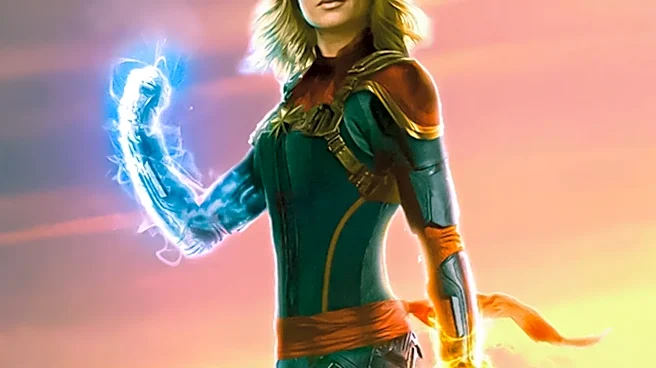
Marvel Sells the Blueprint
When Marvel Studios takes the stage, it’s less a preview and more a coronation. For years, President Kevin Feige has mastered the art of the long-term reveal. The strategy is built on meticulous, interlocking phases, with films and series mapped out years in advance.
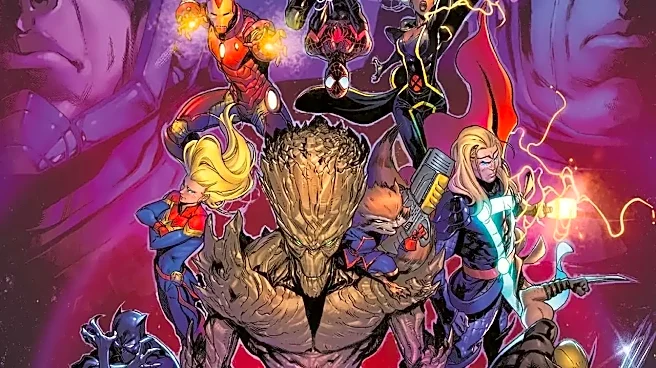
At Comic-Con, this translates into a grand presentation of a multi-year roadmap, often dubbed a "Saga," like "The Infinity Saga" or "The Multiverse Saga". Fans aren't just shown a trailer for one movie; they're given a detailed slate of titles, logos, and release dates that stretch far into the future. This approach builds a unique kind of trust and investment. The audience feels like they're part of a grand, unfolding narrative, and each project, no matter how obscure, is a crucial piece of a larger puzzle. The excitement comes from seeing the blueprint and knowing the story will continue for years to come.
DC Sells the Vision
DC, by contrast, has historically operated with a more decentralized, creator-focused strategy. While Marvel’s panels feel like a board meeting where the five-year plan is unveiled, DC’s often feel like an artist’s showcase. Instead of a rigid, interconnected slate, the focus is frequently on the distinct vision of a single director or a bold new direction for a beloved character. This approach allows for wildly different tones, from the gritty noir of a Batman film to the cosmic zaniness of a superhero team-up. The Comic-Con experience reflects this; panels might be dedicated to a deep dive on one specific, upcoming film, emphasizing its unique style and creative voice. The new leadership under James Gunn and Peter Safran aims to create a more cohesive universe, but the DNA of championing individualistic, author-driven projects remains. This creates a different kind of hype—less about a long-term plan and more about the immediate thrill of a singular, powerful idea.
Certainty vs. Surprise in the Fan Experience
These dueling strategies create two distinct types of fan anticipation. For Marvel followers, Comic-Con is about confirmation and clarification. They arrive hoping to have the next few years of their cinematic lives charted out for them. The thrill lies in seeing how the pieces connect and which surprise characters might pop up in the grand timeline. The panel is a victory lap and a promise of stability. Attending a DC panel often feels more like a gamble that can pay off spectacularly. With less of a publicly known long-term plan, the potential for genuine, earth-shattering surprises is higher. The announcement of a completely unexpected film, a daring creative team, or a radical new take on a character can electrify the room precisely because it wasn't on anyone's bingo card. One fanbase gets the comfort of a detailed map; the other gets the exhilarating shock of discovering a new world.
The Showmanship of the Stage
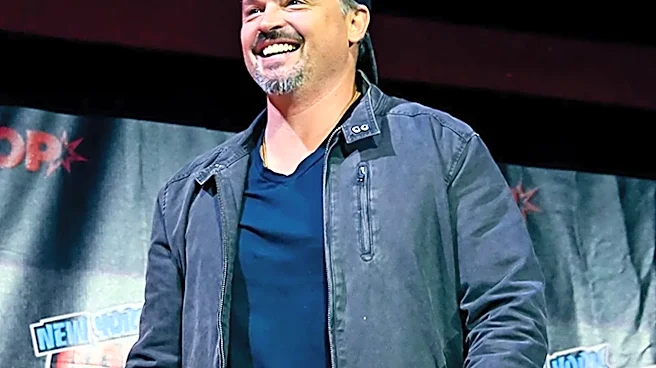
The on-stage presentation itself highlights the difference. A Marvel Studios Hall H panel is famous for its sheer star power. It’s a parade of A-list actors, each taking a bow as their project is announced, reinforcing the idea of a massive, unified family of creators and characters. The event is designed to feel like the ultimate crossover, happening right there on stage. DC's panels can be more intimate and focused. They might center on a single director passionately explaining their take, or a smaller group of actors delving deep into their characters. The goal isn't just to show you who is in the movie, but to make you a believer in their specific version of it. It’s the difference between a company celebrating its sprawling empire and a creator defending their artistic thesis. Both can be incredibly compelling, but they appeal to different parts of a fan's heart: the part that loves a dynasty and the part that loves a revolutionary.