





The Thanksgiving dinner scene: a classic for a reason, but also a minefield of clichés. Done poorly, it stops your story cold. Done right, it becomes a pressure cooker for drama, revelation, and irreversible change. Here’s how to make it work.
Give the Scene a Job
Before you
write a single line of dialogue, decide why this scene exists. Every scene must have a purpose, and a Thanksgiving dinner is no exception. Is it here to force a confrontation? Reveal a long-held secret? Shatter a character’s worldview? Establish a new alliance? A scene where characters just eat turkey and rehash old arguments is filler. A scene where the protagonist’s goal is to secure a loan from her uncle, while her cousin tries to expose her business as a fraud, is a story. Define the scene's primary job—whether it’s advancing the plot, developing character, or raising the stakes—and make sure every element serves that goal. The dinner isn't just a meal; it's an event with a narrative function.
Weaponize the Setting and Rituals
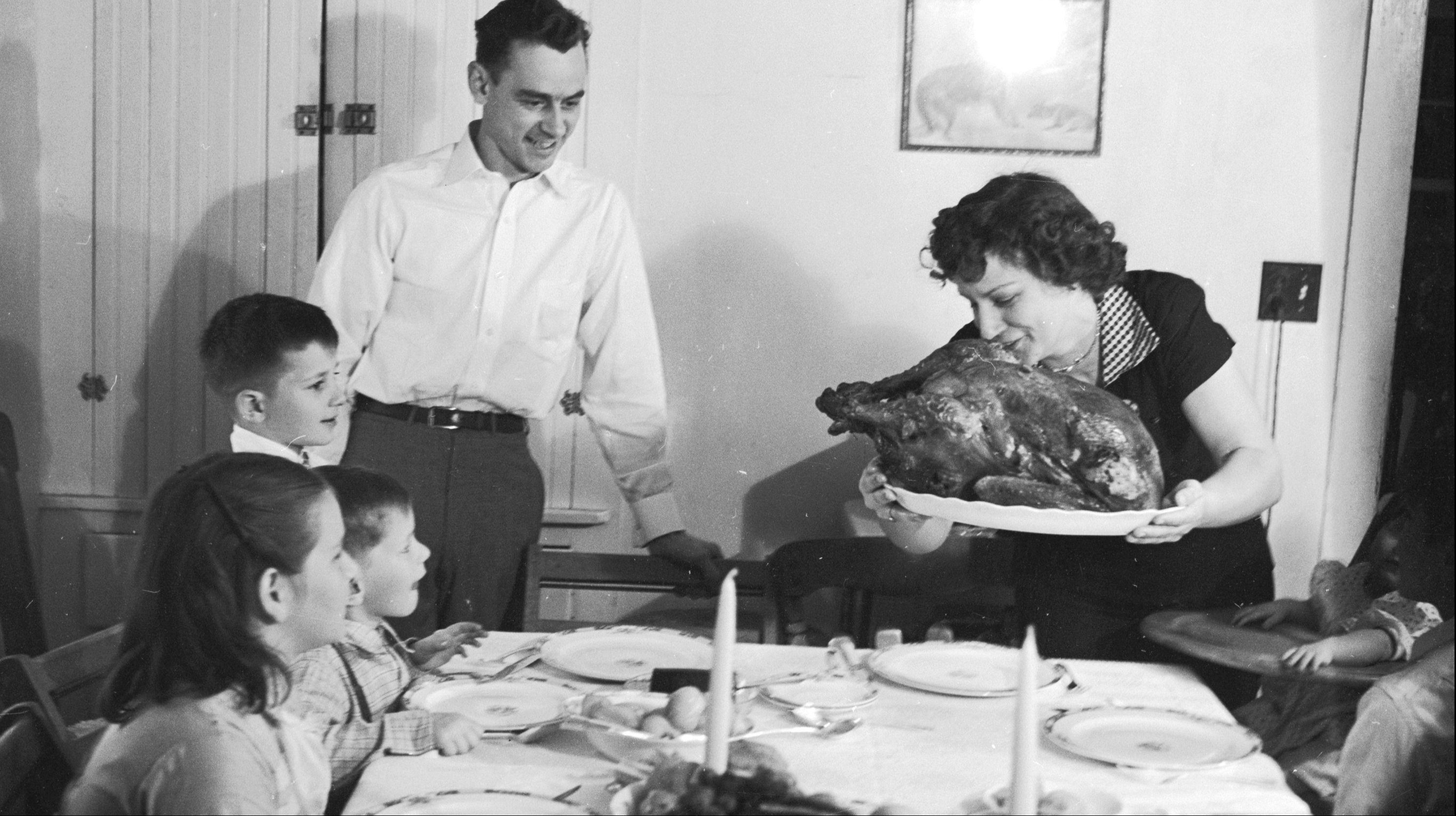
A Thanksgiving dinner isn't just a conversation in a room; it's a collection of objects, traditions, and assigned roles. Use them. The carving of the turkey isn't just about slicing meat; it’s about power and tradition. Who carves? Who gets served first? Who brings the burnt pie and what does their apology really mean? These details reveal family dynamics without a word of exposition. The seating arrangement can isolate a character or force rivals together. A spilled glass of wine can be an accident or an act of passive aggression. The physical business of passing plates, clearing dishes, and avoiding eye contact gives characters actions to punctuate their dialogue, revealing their inner state through what they do, not just what they say.
Let Subtext Do the Heavy Lifting
What isn't said is often more powerful than what is. Family gatherings are masters of subtext, where surface-level conversations about football or the weather mask deep currents of resentment, fear, or longing. The real conflict happens underneath the pleasantries. Maybe a mother’s constant questions about her daughter’s job aren’t just questions; they’re expressions of disapproval. An argument over how to cook mashed potatoes is really about a lifelong power struggle between siblings. Don't have characters announce their feelings. Instead, let the tension simmer in their coded language, their deflections, and the topics they refuse to discuss. A single, out-of-place sentence can detonate the entire scene, revealing the conflict that was hiding in plain sight.
Create Conflicting Agendas
A scene becomes instantly compelling when characters want different things. Not everyone at the table shares the same goal for the evening. One character wants a peaceful, nostalgic meal. Another wants to finally confront their father. A third is desperate to hide a secret, while their partner is itching to reveal it. These conflicting desires create natural friction. The drama comes from watching these agendas clash. The peacekeeper tries to smooth things over while the instigator pokes and prods. This dynamic ensures that the scene isn't just a series of random events but a strategic battle of wills, where every polite request and seemingly innocent question is a move on the chessboard.
End With a Change
A successful scene ends with a shift. Something must be different when it's over. The plot has advanced, a relationship has changed, or a character's perspective has been altered. The Thanksgiving dinner can’t just end with everyone in a food coma, the status quo perfectly preserved. Maybe a secret is out, and there’s no putting it back. Maybe a quiet observation makes a character realize they are on the wrong side of a family conflict. The ending doesn't have to be a screaming match or a thrown plate of turkey. It can be a quiet, devastating moment of realization. Someone leaves the table with a new resolve, a broken heart, or an unexpected ally. The dinner is over, but the story has just taken a sharp, new turn.