



The Most Dangerous Seat at the Table
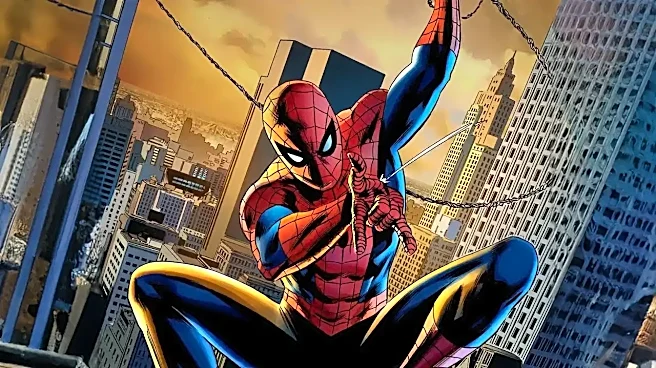
More than any super-powered brawl, the Thanksgiving dinner scene in Sam Raimi’s 2002 'Spider-Man' film solidifies the crushing weight of Peter Parker’s secret. All the story’s tensions converge in one room: Peter’s love for Mary Jane, his fraught friendship
with Harry Osborn, and his new mortal enemy, the Green Goblin, who also happens to be Harry’s father, Norman Osborn. The scene is a masterclass in suspense, built not on explosions but on awkward conversation and shared glances. When Norman, nursing his own fresh wounds from a battle with Spider-Man, notices a similar cut on Peter's arm, the entire dynamic shifts. In that moment, with the turkey yet to be carved, Norman deduces Spider-Man's identity. It's a quiet revelation, far more chilling than any villainous monologue, proving that the greatest threat to Peter isn’t a costumed monster, but the man passing the gravy.
A Feast of Lies and Lame Excuses
The dinner table demands a presence that Spider-Man can't guarantee. A core element of the character's long-running tragedy is his constant failure to meet everyday obligations. Thanksgiving magnifies this tenfold. In numerous comic storylines, Peter is forced to either arrive late, covered in unexplained bruises, or abandon the meal entirely to stop a crisis. Each time, he has to look his loving Aunt May in the eye and invent a flimsy excuse for his absence or injuries. This isn't just about protecting his secret; it's a recurring sacrifice of personal happiness and familial trust for the greater good. The holiday, meant to bring family closer, often serves to push Peter further away, reinforcing the profound isolation that comes with his great power and even greater responsibility.
The Uninvited, Menacing Guest
Sometimes, the danger isn't across town; it's already at the door. The trope of a villain crashing the festivities is a comic book staple, but it lands differently on Thanksgiving. The holiday setting transforms a physical threat into a deeply personal violation. Whether it's Venom attacking Peter in his own backyard just as he's about to celebrate with family or another foe turning a parade into a panic, the message is clear: there is no safe space. The most effective use of this trope, as seen with Norman Osborn, is when the villain arrives not in a mask, but as a respected guest. This psychological warfare turns a symbol of warmth and sanctuary—the family home—into another battleground, reminding Peter that his enemies aren't just fighting Spider-Man; they are actively hunting Peter Parker and everyone he loves.
The Unattainable Dream of Normalcy
The reason Spider-Man’s Thanksgiving struggles resonate so strongly is that they represent the character’s deepest desire: a normal life. On the rare occasions when things almost go right—when the meal is shared and no one is trying to kill him—the fragility of that peace is palpable. These moments are fleeting, often serving as the calm before an inevitable storm. The longing for a simple, uninterrupted dinner with loved ones is a powerful, humanizing motivation that has fueled the character for decades. It’s a goal far more relatable than defeating the next cosmic threat. The annual attempt to just sit down and be thankful highlights the immense cost of his heroism, making the 'Parker Luck' a tangible, heartbreaking reality every fourth Thursday in November.