



It’s a Contract, Not a Defeat
First, let's get one thing straight: bending the knee isn’t just about surrender. In our modern world, kneeling is often seen as a sign of weakness or total capitulation. But in the feudal society of Westeros, it’s a formal, public contract. When a lord
or lady bends the knee, they are not just saying “you win.” They are making a calculated trade: their sovereignty and military service in exchange for protection, legitimacy, and the survival of their people and their house. The classic example is Torrhen Stark, the “King Who Knelt.” He knelt to Aegon the Conqueror not out of cowardice, but because he saw three dragons and an unwinnable war. By kneeling, he saved the North from annihilation and secured his family’s place as Wardens of the North for centuries. It was a strategic retreat that secured a long-term victory for his people, proving that sometimes the smartest move isn't to fight, but to kneel.
The Currency of Legitimacy
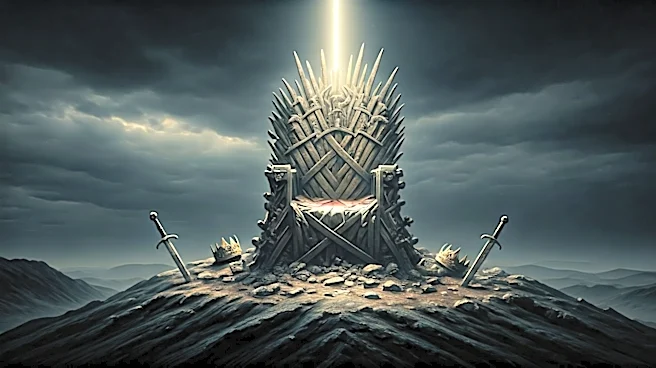
For the ruler on the receiving end, the act is just as critical. You can conquer a kingdom with fire and blood, but you can’t rule it without consent. Daenerys Targaryen learned this the hard way. She had the dragons and the army, but she was obsessed with forcing the lords of Westeros, especially Jon Snow, to bend the knee. Why? Because each kneeling lord was a public endorsement of her claim to the Iron Throne. It transformed her from a foreign invader into a legitimate queen. Each oath of fealty is a building block of power. It’s a public performance that tells everyone else, “This is the new order. Get on board or get left behind.” Without those pledges, a monarch is just a tyrant sitting on a pointy chair, waiting for the next rebellion. The knee is what turns conquest into governance.
The Power in Refusal
The true power of bending the knee is often most visible when someone refuses to do it. Mance Rayder, the King-Beyond-the-Wall, stands as the ultimate symbol of this defiance. Stannis Baratheon offered him a deal: kneel, and your people will be saved and brought south of the Wall. For any lord in the Seven Kingdoms, it would have been an easy choice. But Mance and the Free Folk define their entire identity by their refusal to kneel to anyone. “We do not kneel,” is their creed. By choosing the flames over fealty, Mance made his death a powerful statement about freedom and principle. His refusal wasn't a failure of pragmatism; it was the ultimate expression of his character and his culture. It proves that the gesture is only powerful because it is a genuine choice, and choosing defiance, even at the cost of one's life, carries its own profound weight.
A New Generation, an Old Oath
House of the Dragon demonstrates that this dynamic is as potent as ever. The entire premise of the show is built on oaths of fealty sworn and broken. In the first episode, the great lords of Westeros are summoned to Harrenhal to bend the knee and swear to uphold King Viserys’s choice of heir: his daughter, Rhaenyra. That single, massive scene of kneeling lords sets the stage for the entire conflict. Decades later, when Viserys dies, those oaths are what separate the Greens from the Blacks. The central question becomes: does your word, given publicly before gods and men, still matter? Characters like Corlys Velaryon and the Starks grapple with promises made long ago versus the political realities of the present. The Dance of the Dragons isn't just a war of succession; it’s a catastrophic test of whether the most sacred political act in Westeros still holds any meaning.