




More Than Just a Pregame Show
The tradition of an official tournament song dates back decades, but in the modern era, it has evolved into a highly strategic marketing tool. It’s not just background music; it's a meticulously crafted moment designed to unify a global audience, capture
the host nation's spirit, and, most importantly, create a viral hit that outlasts the tournament itself. For FIFA and other organizing bodies, the anthem is a core part of the event's brand. For the artist, it’s a shot at unparalleled global exposure, offering access to an audience of billions that transcends typical music marketing channels. A successful anthem becomes inseparable from the memories of the tournament—the dramatic goals, the fan celebrations, and the ultimate victory. It’s the emotional glue that binds the sporting spectacle to pop culture.
The Blueprint: Ricky Martin's 'Cup of Life'
To understand the modern anthem, you have to go back to 1998. When Ricky Martin performed “La Copa de la Vida” (“The Cup of Life”) for the World Cup in France, he didn't just sing a song; he provided the blueprint. The track was pure, unfiltered celebratory energy, with explosive horns and a chant-along chorus that felt tailor-made for a packed stadium. It wasn't subtle, but it was universal. The song catapulted Martin from a Latin American star to a global music icon, topping the charts in over 30 countries. More than that, music historians credit the song with helping ignite the “Latin pop explosion” of the late ‘90s. It proved that a World Cup anthem could do more than just open a tournament; it could shift the entire landscape of popular music.
The Gold Standard: Shakira's 'Waka Waka'
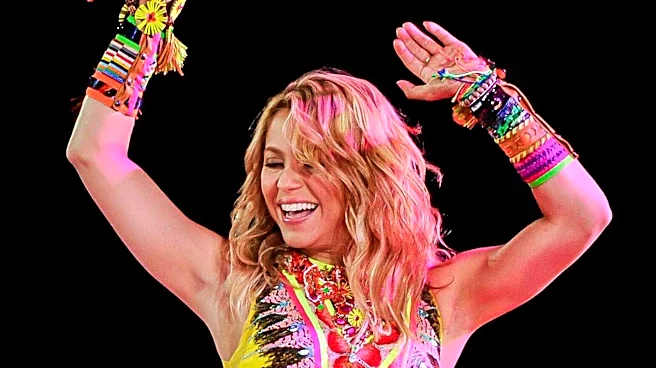
If Ricky Martin wrote the blueprint, Shakira perfected it. Her 2010 anthem for the South Africa World Cup, “Waka Waka (This Time for Africa),” is widely considered the undisputed champion of tournament songs. The song was a cultural phenomenon, blending Shakira’s pop sensibilities with African influences, including a collaboration with South African group Freshlyground. The chorus, based on a 1986 Cameroonian marching chant, became an unforgettable global hook. “Waka Waka” has since amassed billions of streams and holds the Guinness World Record for the most-streamed World Cup song. Its success created a new benchmark, demonstrating how a song could feel both authentic to the host continent and universally infectious, solidifying the anthem's role as a career-defining moment.
The Modern Strategy: More Is More
In today’s fragmented media landscape, capturing a global audience is harder than ever. FIFA’s strategy for the 2026 World Cup reflects this reality by moving away from a single song toward an entire official album. The organization commissioned 18 tracks, featuring a diverse lineup of global artists like Shakira, Burna Boy, Andrea Bocelli, and Megan Thee Stallion, aiming to connect with multiple demographics across three host countries. The official song, “Dai Dai” by Shakira and Burna Boy, and the official anthem, “DNA” by Bocelli, Guetta, Megan Thee Stallion and EJAE, were performed at the opening ceremony in Mexico City. This multi-song approach is a deliberate attempt to create numerous entry points for fan engagement, from TikTok edits to stadium playlists, ensuring the tournament’s sound is as diverse as its audience.
When Anthems Don't Score
Not every anthem becomes a classic. In 2014, “We Are One (Ole Ola)” by Pitbull, Jennifer Lopez, and Claudia Leitte faced criticism in host country Brazil for its generic sound and lack of a strong Brazilian flavor. Similarly, some official songs are overshadowed by unofficial or promotional tracks that capture the public's imagination more effectively, like K'naan's “Wavin' Flag” in 2010, which for many became the true soul of the South Africa tournament. These instances highlight the high stakes involved. An anthem that feels inauthentic or overly corporate can fall flat, failing to create the emotional connection that defines the most successful tournament songs. It’s a reminder that no amount of star power can force a cultural moment; it has to be earned.