

The Logic of the Hit Machine
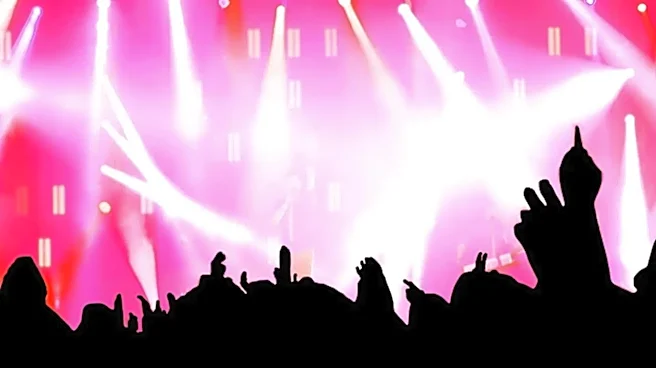
The premise of the iHeartRadio Music Festival, a major spectacle held annually in Las Vegas, is simple: deliver the biggest songs by the biggest artists in rapid succession. The schedule is a tightly packed survey of what’s dominating pop, rock, country,
and hip-hop. With a lineup that this year includes global powerhouses like BTS and Cardi B alongside legacy acts like The Smashing Pumpkins and Weezer, the expectation is a firework display of chart-toppers. Artists get a short, high-energy slot to remind a massive, diverse audience exactly why they’re famous. In this context, every song choice feels critical. The conventional wisdom is to play the smashes—the songs that even the most casual listener in the T-Mobile Arena knows by heart. It’s a low-risk, high-reward strategy designed for maximum mainstream impact and singalong potential.
A Calculated Risk for the Artist
Choosing to play a B-side—a non-single, an album track, a fan favorite that never cracked the charts—is a deliberate disruption of that formula. It's a gamble. In a set that might only be 20 or 30 minutes long, dedicating precious time to a lesser-known song risks losing the attention of the broader audience who came for the familiar hooks. But the potential payoff is immense. For an artist, it’s a powerful act of creative control. In a highly commercialized environment, it’s a chance to make an artistic statement and showcase a different dimension of their work. It’s a way of saying, “I am more than my radio singles.” This move can reframe an artist’s narrative, reminding the industry and fans of their depth, versatility, and willingness to prioritize art over pure commerce, even on one of music's most commercial stages.
The Ultimate Reward for True Fans
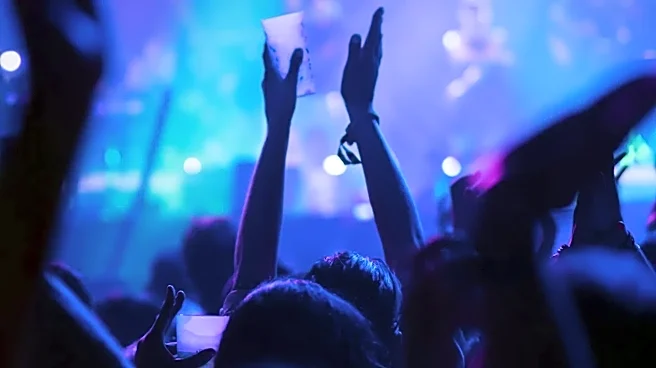
While a deep cut might fly over the heads of some, for an artist’s dedicated fanbase, it’s the ultimate payoff. These are the listeners who know every word to every track on the album, not just the three that were released as singles. Hearing a beloved B-side live, especially at a major festival, is a moment of profound connection. It feels like a secret handshake between the artist and their core supporters. It validates their deeper investment in the music and transforms them from passive spectators into valued insiders. This shared experience fosters a powerful sense of community within the crowd, creating an electric atmosphere as the hardcore fans erupt in recognition while others look on in curiosity. It’s a moment that belongs to them, a reward for their loyalty that a predictable performance of a No. 1 hit could never replicate.
Creating an Unforgettable 'You Had to Be There' Moment
In the age of social media, where every concert is documented and shared, the most valuable currency is unpredictability. While a set full of hits is enjoyable, it can also be predictable. A surprise B-side, however, is what generates buzz. It’s the moment that gets clipped, shared, and endlessly debated online the next morning. It becomes a legendary “you had to be there” event that elevates a good performance to an iconic one. Past iHeartRadio Festivals are remembered for their surprise collaborations and unexpected moments—like Prince joining Mary J. Blige or Public Enemy debuting a new song. An artist dropping a deep cut into their set taps into this same magic. It ensures their performance stands out from the dozens of others over the weekend, creating a unique memory that sticks with attendees long after the festival ends.
The Deep Cut as a Strategic Tool
Beyond the artistic and fan-centric reasons, playing a B-side can also be a savvy strategic move. For some artists, it’s a way to test the waters for a future single or a new musical direction. Observing the live reaction from thousands of people provides invaluable, real-time feedback. For a heritage act, it can be a way to reintroduce a forgotten gem from their catalog to a new generation of listeners. It can also signal a creative rebirth, hinting at a new album or a shift in their sound. In this light, the B-side isn’t just a throwaway choice; it's a carefully deployed tool used to manage their career, engage their audience, and shape their legacy in front of one of the largest audiences an artist can command.