







The Contenders: A Tale of Two Shapes
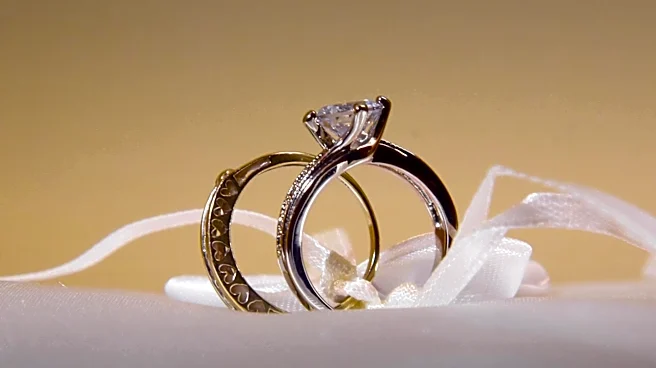
At first glance, the princess and radiant cuts look similar. Both are typically square or rectangular and offer a brilliant, fiery sparkle. But their core difference lies in the details. The princess cut, developed in its modern form in 1980, is defined
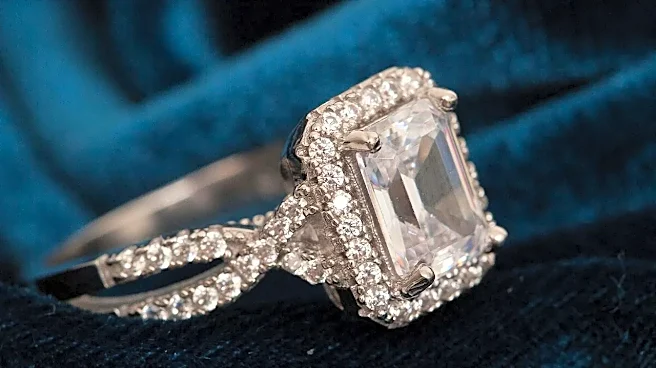
by its sharp, 90-degree corners and clean lines. It has a distinctly geometric and contemporary feel. The radiant cut, invented a few years earlier in 1977 by Henry Grossbard, was designed to combine the rectangular elegance of an emerald cut with the intense sparkle of a round brilliant. Its signature feature is its trimmed corners, which give it a softer silhouette and added durability.
The Sparkle: Crushed Ice vs. Geometric Fire
How a diamond sparkles is a mix of brilliance (white light) and fire (rainbow flashes). This is where the two cuts truly diverge. The princess cut, with its large table and chevron-style facets, is known for its incredible fire. It scatters light beautifully, creating dramatic, colorful flashes. The radiant cut, however, is a master of brilliance. Its 70 facets are designed for maximum light return, creating a dazzling, “crushed ice” effect that can be incredibly eye-catching and helps to mask small inclusions within the stone. While both are brilliant-style cuts, your personal preference for fiery, distinct flashes versus an all-over, intense sparkle is a key deciding factor.
The Silhouette: Sharp Lines vs. Soft Corners
The overall shape of the diamond dictates its style and how it sits on the finger. The princess cut's sharp, un-cropped corners create a bold, architectural look. It’s a perfect match for modern, minimalist, and geometric settings. This precision gives it an undeniable edge and a strong presence. The radiant cut’s beveled corners offer a softer, more versatile look that is less prone to snagging on clothing. This slight softening of the edges allows it to blend seamlessly into a wide variety of settings, from classic solitaires to intricate vintage-inspired designs, making it a highly adaptable choice.
The Practical Choice: Durability and Value
Beyond aesthetics, real-world practicality plays a huge role. The most significant concern with the princess cut is its vulnerable corners, which are prone to chipping. This isn't a deal-breaker, but it does mean a protective setting, like V-prongs or a bezel, is essential for an everyday ring. The radiant cut’s trimmed corners make it inherently more durable and a more forgiving choice for those with an active lifestyle. In terms of value, both cuts offer an advantage over round brilliants. The cutting process for both shapes preserves more of the original rough diamond, which means you can often get a larger-looking stone for a lower price per carat. The princess cut is particularly efficient in this regard.
The Style Statement: Modern Edge vs. Understated Glamour
Ultimately, the choice between a princess and a radiant cut comes down to personal style. The princess cut is for the person who loves clean, bold, and contemporary design. It makes a strong, confident statement that is both modern and timeless. Its sharp geometry feels intentional and chic. The radiant cut appeals to those who want maximum, unapologetic sparkle combined with a versatile shape. It offers the glamour and brilliance of a round stone but in a more unique, elongated form that can make the finger appear longer and more slender. It's the best of both worlds: elegant shape and powerful sparkle.