








Embrace the Original Genre: Domestic Drama
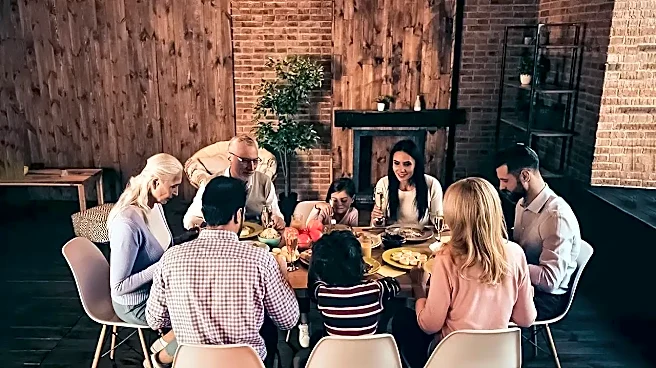
Before you can change the channel, you have to acknowledge what’s playing. The default Thanksgiving setting is a high-tension domestic drama. The air is thick with unspoken resentments and passive-aggressive compliments that land like tiny, gravy-covered
daggers. An aunt might comment on your outfit, a cousin will announce a life-altering secret at the worst possible moment, and at least one uncle will treat the dinner table like a cable news panel. The script is predictable: long-held grudges resurface, unsolicited life advice flows as freely as the cheap wine, and everyone is one burnt pie away from a full-blown meltdown. Your role is usually 'the peacekeeper', 'the disappointment', or 'the one who has to sit at the kids' table despite being 30'. This is your starting point—a grim, well-meaning, but ultimately exhausting stage play. Acknowledging the absurdity is the first step toward reclaiming your sanity.
The First Pivot: Directing Your Own Satire
When the drama becomes too much, it’s time for a rewrite. Your first move is to shift from drama to political satire. Think of it as your own personal episode of 'Veep' or a family version of 'Succession'. The key to satire is distance. Stop being a participant and become an observer of the absurd. That argument between your brother-in-law and your dad about tax policy? It’s not a family crisis; it's a focus group gone horribly wrong. Listen to the circular logic, the hilariously unsupported claims, and the passionate defense of positions no one truly understands. Mentally add a laugh track. Your cousin who just got into crypto is now the 'visionary disruptor'. Your aunt who laments that no one helps her in the kitchen—despite batting away all offers of help—is the 'benevolent martyr'. By recasting them as satirical character tropes, their behavior becomes less hurtful and more darkly hilarious.
The Final Form: Descending into Horror
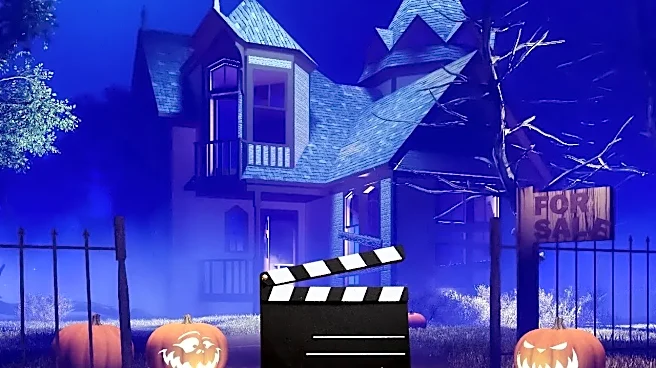
Sometimes, satire isn’t enough. When the tension curdles and the forced smiles become unsettling, it's time to embrace your inner Jordan Peele and reframe the entire event as a psychological horror film. Suddenly, the familiar setting becomes a trap. The home you grew up in is now a character itself, full of creaks, secrets, and doors that lock from the outside. The overly sweet compliments from a relative aren't just passive-aggressive; they're eerie bits of foreshadowing. The long, silent stares across the dinner table are no longer awkward—they're loaded with terrifying subtext. Family traditions, like the mandatory post-dinner game of charades, transform into bizarre cult-like rituals you must perform to survive. The ringing doorbell isn't another guest; it’s the unexpected arrival that signals the movie's terrifying third act. Everyone is a suspect, and you are the 'Final Girl' (or Guy), just trying to make it to the end credits with your sanity intact.
Key Horror Elements at the Dinner Table
To fully commit to the horror genre, start spotting the tropes. The 'Haunted Artifact' could be Grandma's creepy porcelain doll staring at you from the mantelpiece or the cursed Tupperware you're forced to take leftovers home in. The 'Car Won't Start' moment is when you realize you're blocked in the driveway by three other cars, making escape impossible. 'Humans Are the Real Monsters' is the central theme, as you realize the true terror isn't a ghost but the chillingly calm way your uncle explains his conspiracy theories while carving the turkey. Even the food can be menacing. What is in that Jell-O mold, really? Why is the cranberry sauce the exact shape of the can? It’s all part of the unnerving atmosphere you are now directing.