





The Centre Court Challenge
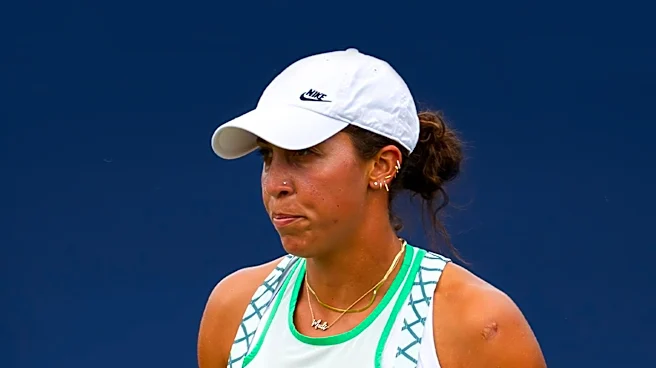
Wimbledon's Centre Court is more than a patch of grass; it's a crucible of human emotion and physical endurance. For two weeks, the world’s best tennis players battle not only their opponents but also heat, humidity, and the immense psychological pressure
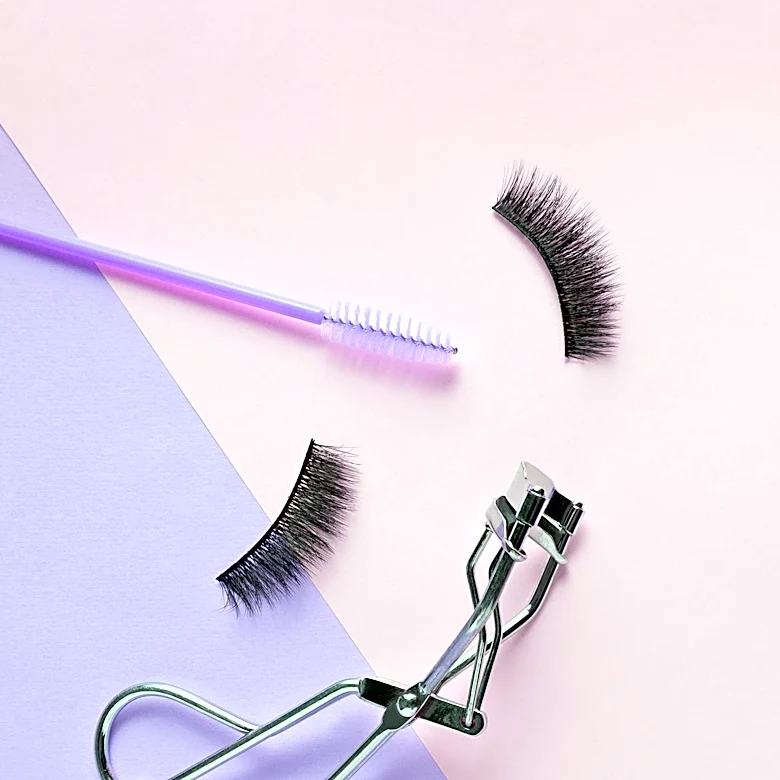
of a Grand Slam. While athletes don't typically wear heavy makeup on court, a coat of mascara is a common sight. But in an environment where sweat is constant and tears are always a possibility, any makeup has to perform at an elite level. It needs to be resilient, unyielding, and absolutely smudge-proof. This is where the quiet genius of cosmetic science comes into play, delivering a product that can withstand the drama of a five-set thriller without running.
The Waterproofing Playbook
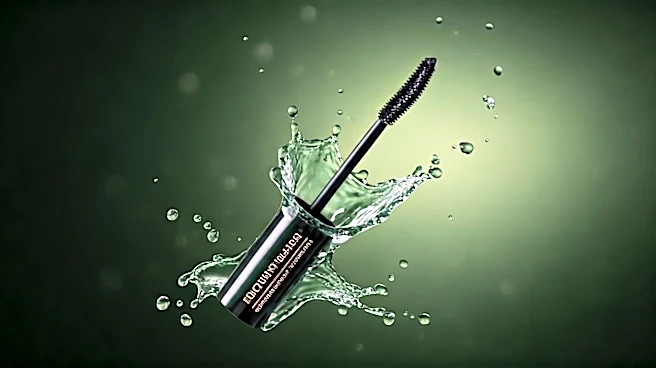
So, what's the secret? The primary difference between regular and waterproof mascara lies in their base formulas. Regular mascara is often an oil-in-water emulsion, meaning it can be washed away with water. Waterproof mascara flips the script. It's typically a water-in-oil formula, meaning it repels water. The key players in this formula are waxes and polymers. Ingredients like beeswax, carnauba wax, and paraffin create a robust, water-repellent coating on each lash. Think of it like a tiny, flexible raincoat. These waxes provide structure and help the formula cling to the lashes, ensuring it doesn't dissolve when faced with sweat or tears.
The Polymer Film-Forming Advantage
If waxes are the foundation, polymers are the high-tech secret weapon. Ingredients like isododecane, dimethicone, and various acrylate copolymers are known as film-formers. When the mascara is applied, these ingredients create a thin, flexible, and continuous film that wraps around each individual lash. This film is hydrophobic, meaning it actively pushes water away. It's this polymer network that locks the pigments in place and provides the smudge-proof and tear-proof qualities essential for high-pressure situations. It’s a marvel of cosmetic chemistry that ensures what’s applied to the lashes stays on the lashes, regardless of the on-court action. This film is also why waterproof formulas are so effective at holding a curl—they set firmly and don't droop.
Waterproof vs. Water-Resistant
It's important to note the distinction between "water-resistant" and "waterproof." The terms are often used interchangeably, but they aren't the same. A water-resistant mascara can handle some moisture, like light sweat or humidity, making it suitable for a regular day or a less intense workout. Waterproof mascara, however, is formulated to withstand complete submersion in water. For the high-stakes environment of a Wimbledon final, where players endure hours of intense physical exertion, only a truly waterproof formula will suffice. It’s the difference between surviving a light drizzle and enduring a downpour.
The Post-Match Removal
The very properties that make waterproof mascara a champion on Centre Court also make it a challenge to remove. Because it's designed to repel water, a simple splash from the sink won't work. The waxes and polymers that form its resilient shield need to be dissolved. This requires an oil-based makeup remover. The oils in the remover break down the formula, allowing it to be wiped away gently without harsh rubbing that can damage delicate lashes. Using waterproof mascara daily can be drying for some, so proper, gentle removal is key to keeping lashes healthy. It's the cool-down lap after a grueling match, ensuring everything is ready for the next day.