





Redefining a 'Bad' Review
First, let's establish that for a certain kind of fan, a 'bad' review can read like a ringing endorsement. When a critic complains that a film is 'just a series of cheap jump scares,' a horror fan hears that the movie delivers exactly what it promises.
For this audience, the goal isn't a nuanced plot or award-worthy acting; it's a physiological experience. The point is the jolt of adrenaline, the scream, and the nervous laughter that follows. Unlike a drama or a comedy, where a bad review signals a failure to connect emotionally or make you laugh, a horror review that calls a movie 'brutal,' 'disgusting,' or 'relentlessly terrifying' is essentially free marketing. It confirms the film has the goods, even if those goods are disreputable by traditional cinematic standards.
The Experience Is the Product
For attractions like haunted houses, hayrides, and 'scream parks,' reviews are even less relevant. You aren't buying a story; you're buying an experience. No review can truly capture the feeling of a masked actor jumping out from a dark corner, the specific smell of a fog machine, or the communal energy of a group of friends clinging to each other in terror. These events are live, participatory, and personal. The memory you create walking through a haunt with your friends is the actual product you're paying for. Industry reports show that haunted attractions are a massive business, with revenue often climbing even as marketing budgets shrink, pointing to a resilient demand driven by the desire for these real-world thrills that can't be spoiled by a one-star Yelp review.
It's a Social Ritual, Not a Solo Critique
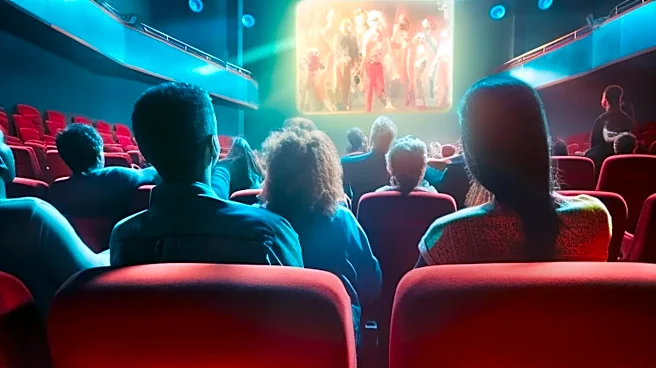
Going to a scary movie or a Halloween event is fundamentally a social activity. It's a modern-day campfire story, a shared gauntlet to be run with friends, a date night, or a family outing. The post-scream analysis—'Did you see that guy's face?' or 'I almost jumped out of my skin!'—is as much a part of the fun as the event itself. This shared context buffers the impact of any objective 'quality' issues. A clunky plot hole or a silly-looking monster doesn't ruin the night; it often becomes an inside joke, another layer of the shared memory. The bonding that occurs through shared fear and laughter is powerful, making the critical consensus entirely secondary to the immediate social payoff.
The Unique Psychology of the Horror Fan
Horror fandom is a unique subculture. Contrary to stereotypes of being cold-hearted or depraved, research suggests horror fans may actually be more empathetic, not less, and use scary media to explore and manage their own fears in a safe environment. They are, in essence, practicing fear. This concept, sometimes called 'recreational fear,' allows people to experience the thrill of a threat without any real danger, leading to a sense of relief and even pleasure afterward. Horror fans aren't broken; they're enthusiasts of a specific kind of emotional roller coaster. They have a high tolerance for—and even an appreciation of—themes, aesthetics, and tropes that general audiences and critics might find off-putting or simply 'bad.' For them, a film franchise with an average critic score of 42% isn't a failure; it's a beloved collection of experiences.